
Logistics Wins Wars: Why Supply Decides the Outcome
What does logistics wins wars actually mean?
That the limiting factor on any operation is usually supply rather than plan quality. Ammunition, fuel, food and parts determine what a force can do, regardless of how good the strategy was.
Amateurs talk strategy, professionals talk logistics, most often attributed to General Robert H. Barrow.
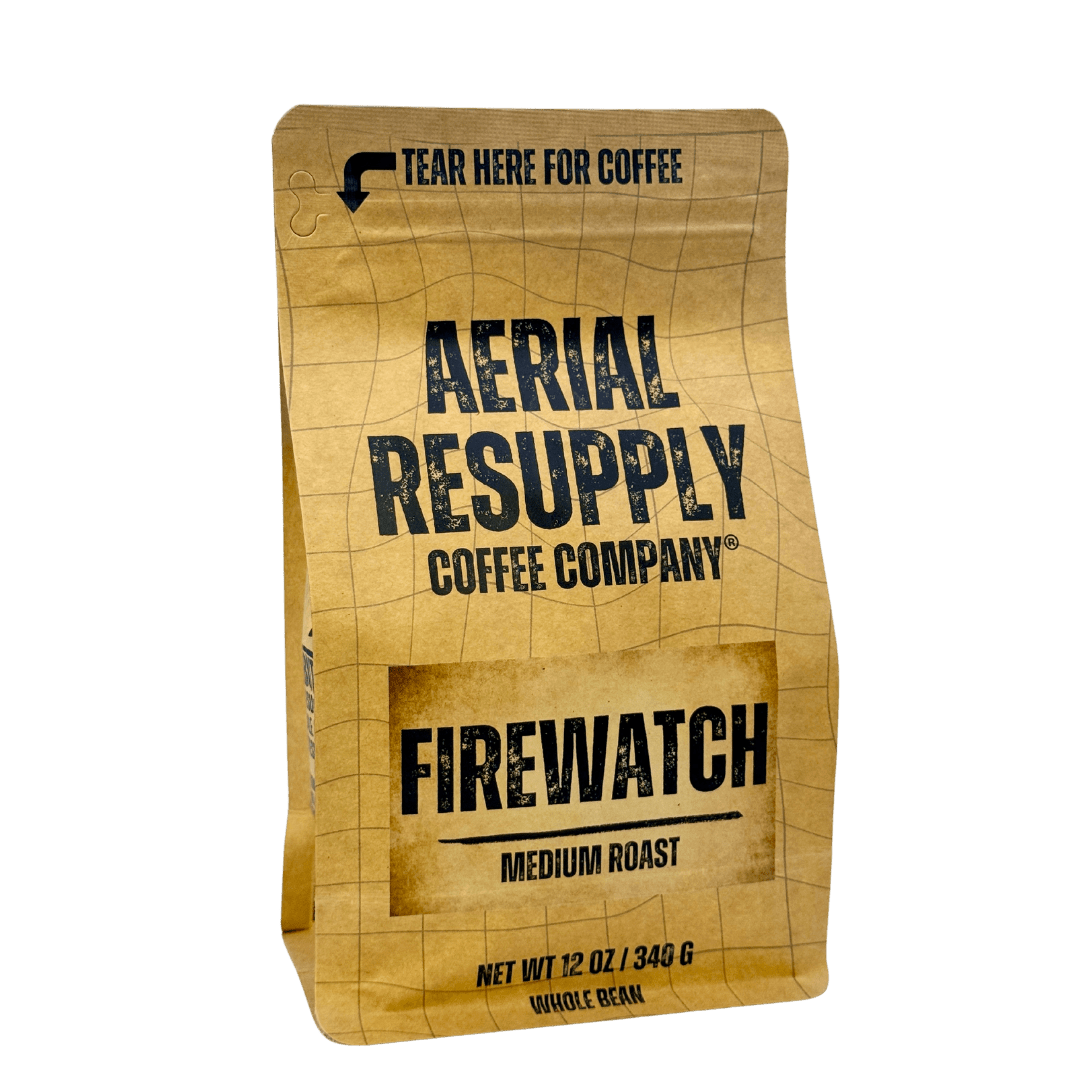
Fire Watch is the Colombian medium roast most people start with, and it works in almost anything you own.
Napoleon is credited with the same observation two centuries earlier, in fewer words.
| Discipline | Decides | Gets credit |
|---|---|---|
| Strategy | What to attempt | Almost always |
| Tactics | How to execute locally | Often |
| Logistics | What is possible at all | Rarely |
| Maintenance | Whether it still works | Never |
Every day starts with a mission. Most of them are unglamorous.
Anyone who has done the half of a job nobody claps for already knows this. The work that keeps things running is the work nobody sees.
It is true of a campaign and it is true of a Tuesday.
See the lineup →Why does it keep needing to be relearned?
Because logistics is invisible when it works. Nobody notices a supply line functioning. Everybody notices the moment it stops, which is usually too late to fix.
That invisibility is structural rather than a failure of attention.
It is also why the same quotes get repeated every generation.
Nobody plans to run out. They just do not plan not to.
Then it is 6am, the bag is empty, and the day starts a step behind before anything else has gone wrong.
Readiness is not a feeling. It is whether the thing you need is where you need it.
Browse best sellers →What does modern logistics look like?
Increasingly predictive and increasingly autonomous. Militaries are investing in AI to anticipate supply failures before they happen, and in cargo drones to deliver when routes are contested.
Autonomous resupply missions are now being flown at meaningful distances rather than demonstrated.
The direction of travel is clear: predict the shortage, then deliver without risking a crew.
Preparation beats luck. That is the entire pitch.
You already apply this everywhere else. Coffee is the easiest place to get it right and the one most people leave to chance.
- Pick the roast that suits how you actually brew.
- Set it to resupply on a schedule that matches what you drink.
- Stop thinking about it. You do not hit zero again.
How does this apply to anything else?
Every business runs on the same principle. Running out of stock, missing a shipment, or promising what you cannot deliver are all the same failure at smaller scale.
Preparation beats luck, and almost nobody builds systems around that.
The smallest version is whether the thing you need is where you need it, tomorrow morning.
Mission beats occupation.
Military, first responder, healthcare, trades, teacher, parent, or just someone with a long list. If you wake up with something to accomplish, this is built for you.
Subscriptions take 30% off the first order automatically. No code, nothing to remember. One time orders take 15% with WELCOME15.
Shop the lineup →Questions people actually ask
Who said logistics wins wars?
The best known version is amateurs talk strategy, professionals talk logistics, usually attributed to General Robert H. Barrow. General Omar Bradley is credited with a similar phrasing.
What did Napoleon say about logistics?
He is credited with an army marches on its stomach, meaning sustainment determines what a force can actually do regardless of its plans.
Why is logistics more important than strategy?
It is not more important, it is more limiting. Strategy sets the goal and logistics sets the ceiling. A plan that cannot be supplied is not a plan.
What is predictive logistics?
Using data and AI to anticipate supply shortfalls before they occur, so they can be prevented rather than reacted to. It is a major current area of military investment.
Does this apply to business?
Directly. Stockouts, missed shipments and overpromised delivery are the same failure at a smaller scale, and they are usually caused by the same lack of visibility.