Military Logistics Quotes That Explain Why Supply Decides Everything
Professionals resupply before they hit zero.
Put Galaxy on a delivery schedule and remove one more supply failure from the week.
Start Galaxy with 30% off → Build a different subscriptionChoose Subscribe & Save on the product page. First subscription order is 30% off; recurring deliveries are 15% off.
What is the most famous military logistics quote?
Amateurs talk strategy, professionals talk logistics. It is most often attributed to General Robert H. Barrow, and it survives because it compresses the entire argument into six words.
Omar Bradley is usually credited with the companion line, that amateurs study tactics while professionals study logistics.

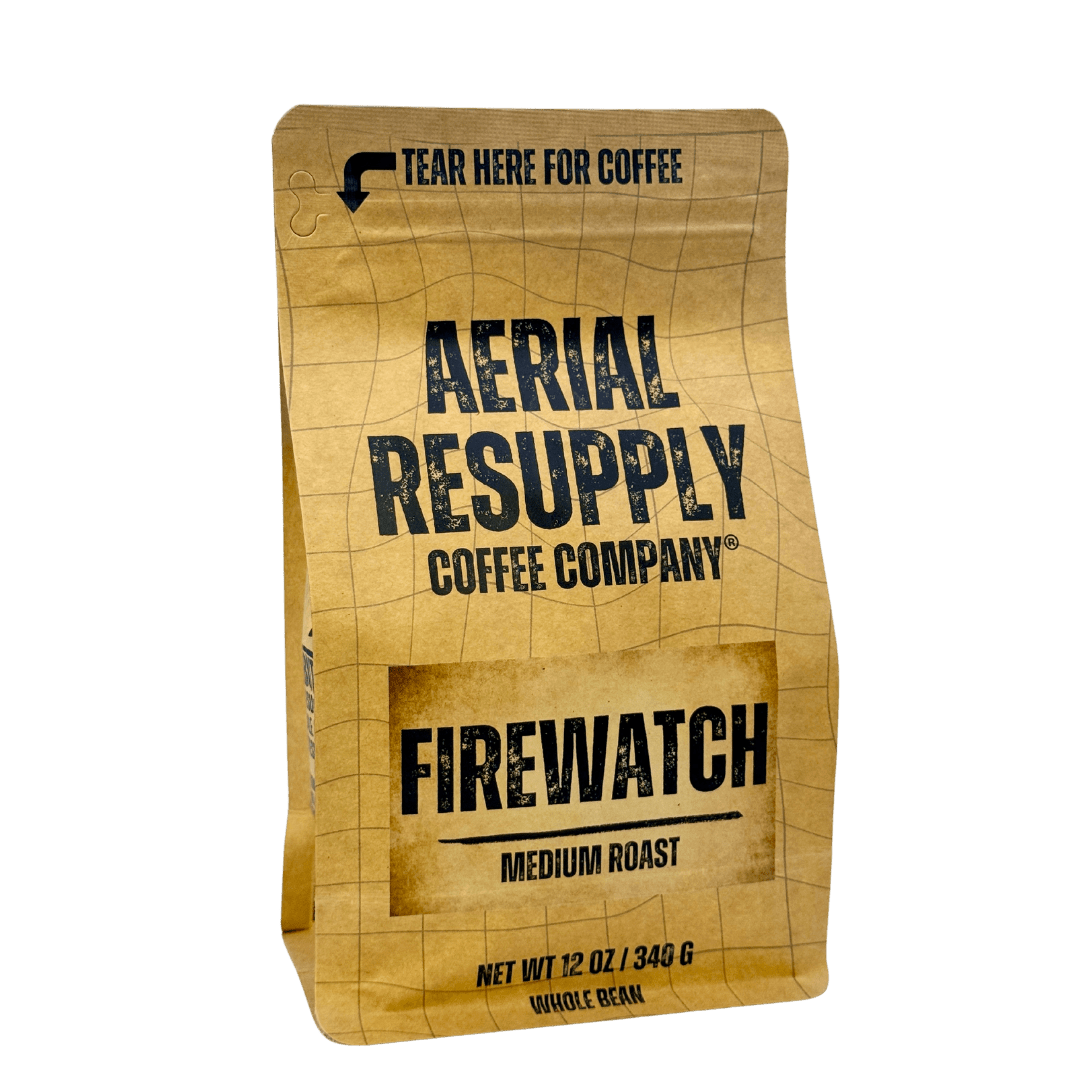
Fire Watch Colombian Medium Roast
12 oz Ground · roasted in small batches in Charlottesville, VA
★★★★½ 4.7 from 87 verified reviews
$16.99
Makes 16 to 20 mugs. Around 94¢ a cup.
Add to cartSee details →Fire Watch is the Colombian medium roast most people start with, and it works in almost anything you own.
Both point at the same thing. The plan is the easy part. Getting the material there is the job.
Every day starts with a mission. Most of them are unglamorous.
Anyone who has done the half of a job nobody claps for already knows this. The work that keeps things running is the work nobody sees.
It is true of a campaign and it is true of a Tuesday.
See the lineup →Why do logistics quotes keep getting repeated?
Because the lesson keeps needing to be relearned. Every generation rediscovers that the constraint is supply, usually at the moment it fails.
Napoleon reportedly said an army marches on its stomach, which is the same observation two centuries earlier.
Sun Tzu wrote about provisioning and the cost of distance long before any of them.
| Attributed to | The line | What it means |
|---|---|---|
| Gen. Robert H. Barrow | Amateurs talk strategy, professionals talk logistics | Plans die at the supply line |
| Gen. Omar Bradley | Amateurs study tactics, professionals study logistics | Same lesson, different phrasing |
| Napoleon | An army marches on its stomach | Sustainment beats maneuver |
| Sun Tzu | No country has benefited from prolonged warfare | Distance and time cost more than battle |
| Gen. Dwight Eisenhower | You will not find it difficult to prove that battles are won by the side that fires most rounds | Volume requires supply |
Nobody plans to run out. They just do not plan not to.
Then it is 6am, the bag is empty, and the day starts a step behind before anything else has gone wrong.
Readiness is not a feeling. It is whether the thing you need is where you need it.
Browse best sellers →Do these still apply outside the military?
Directly. Every business that has run out of stock, missed a shipment, or promised something it could not deliver has learned the same lesson in a smaller room.
Strategy gets the credit and supply decides the outcome. That is true of a campaign and it is true of a Tuesday.
The modern version is that the Army is now buying AI and cargo drones specifically because resupply is the weak point.
Preparation beats luck. That is the entire pitch.
You already apply this everywhere else. Coffee is the easiest place to get it right and the one most people leave to chance.
- Pick the roast that suits how you actually brew.
- Set it to resupply on a schedule that matches what you drink.
- Stop thinking about it. You do not hit zero again.
What is the practical takeaway?
Readiness is not a feeling, it is whether the thing you need is where you need it. Nobody plans to run out. They just fail to plan not to.
Preparation beats luck. Everyone repeats that and very few build systems around it.
The smallest version of this principle is your own kitchen at 6am, and most people leave it entirely to chance.
Mission beats occupation.
Military, first responder, healthcare, trades, teacher, parent, or just someone with a long list. If you wake up with something to accomplish, this is built for you.
Subscriptions take 30% off the first order automatically. No code, nothing to remember. One time orders take 15% with WELCOME15.
Shop the lineup →Fire Watch Colombian Medium Roast
12 oz Ground · roasted in small batches in Charlottesville, VA
★★★★½ 4.7 from 87 verified reviews
$16.99
Makes 16 to 20 mugs. Around 94¢ a cup.
Add to cartSee details →
Goes with it
Logistics Wins Wars Tumbler
Printed in house. Hand wash only.
$19.99
Add to cartSee details →Questions people actually ask
Who said amateurs talk strategy professionals talk logistics?
It is most commonly attributed to General Robert H. Barrow, US Marine Corps. Similar phrasing is credited to General Omar Bradley, and the underlying idea is much older than either.
What did Napoleon say about logistics?
He is credited with the line that an army marches on its stomach, meaning sustainment determines what a force can actually do regardless of its plans.
Why is logistics so important in war?
Because every plan depends on material arriving. Ammunition, fuel, food and parts decide what is possible. A force that cannot be supplied cannot fight regardless of its position.
What is the difference between logistics and strategy?
Strategy decides what to attempt. Logistics decides what is achievable. Strategy without logistics is a wish, which is what most of these quotes are pointing at.
Are these quotes still relevant today?
More than ever. Modern militaries are investing heavily in predictive logistics, autonomous resupply and supply chain resilience precisely because the constraint has not changed.