
Coffee Gifts for Veterans: 13 Picks They Will Actually Use (No Eagle Clip Art)
Most veterans already own the flag keychain, the eagle hoodie, and a "Thank You For Your Service" mug they have never once used. What they will use is good coffee and a mug with a joke only their people get.
Here are 13 gifts sorted by budget. Every one is something that gets used every morning instead of living in a closet. Veterans Day is November 11, so order early.
The Cargo Bag of Coffee: three bags, one box, $49.99
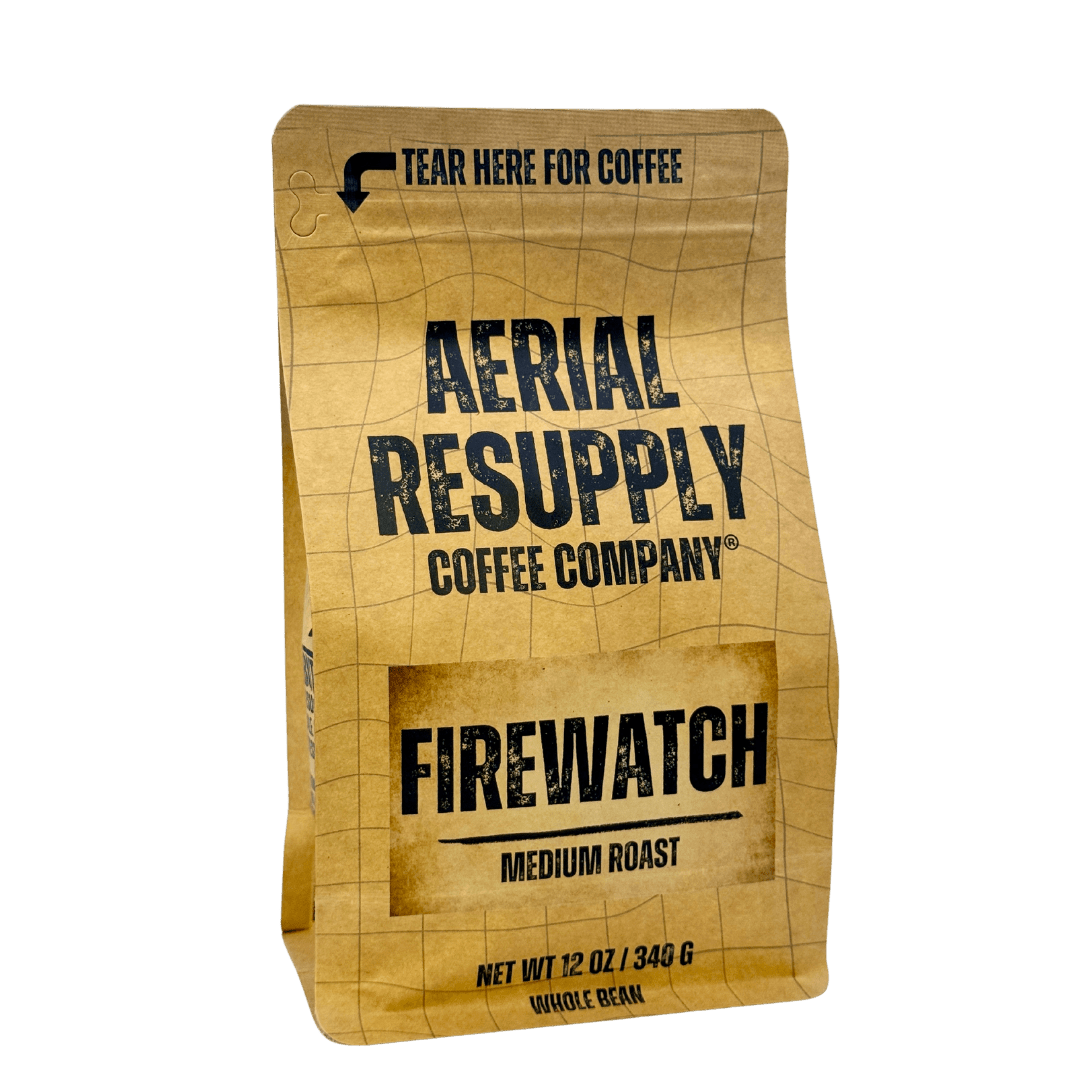
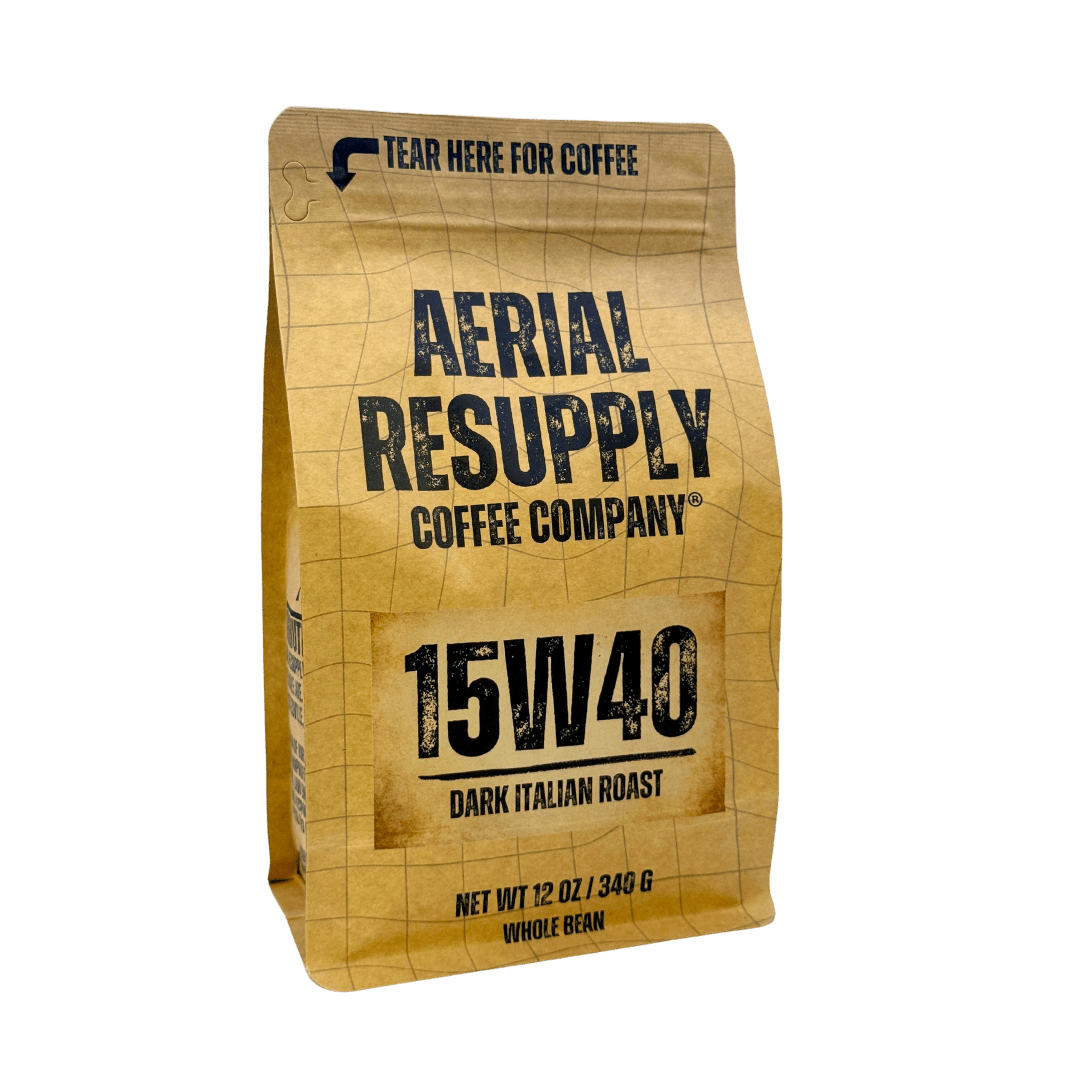
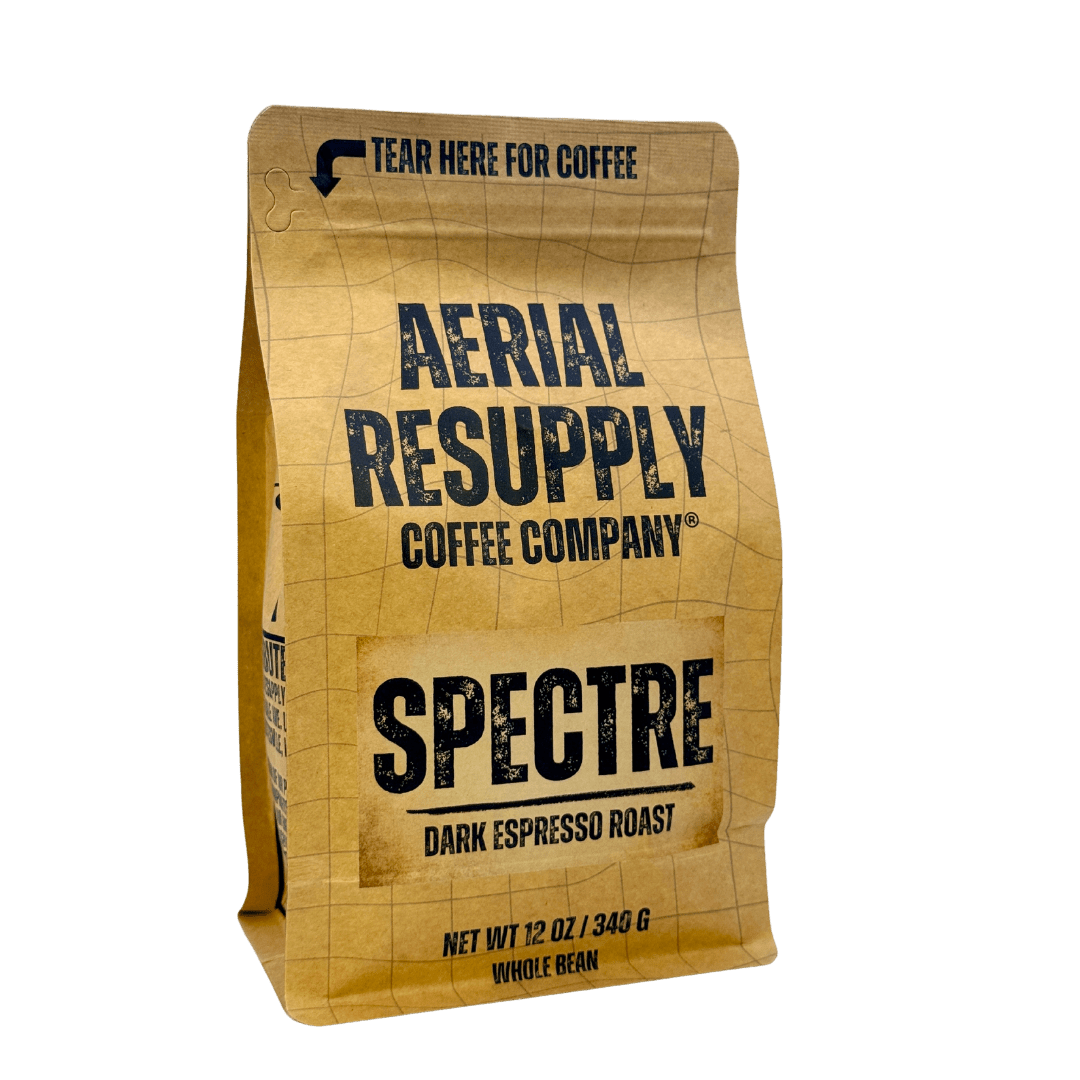
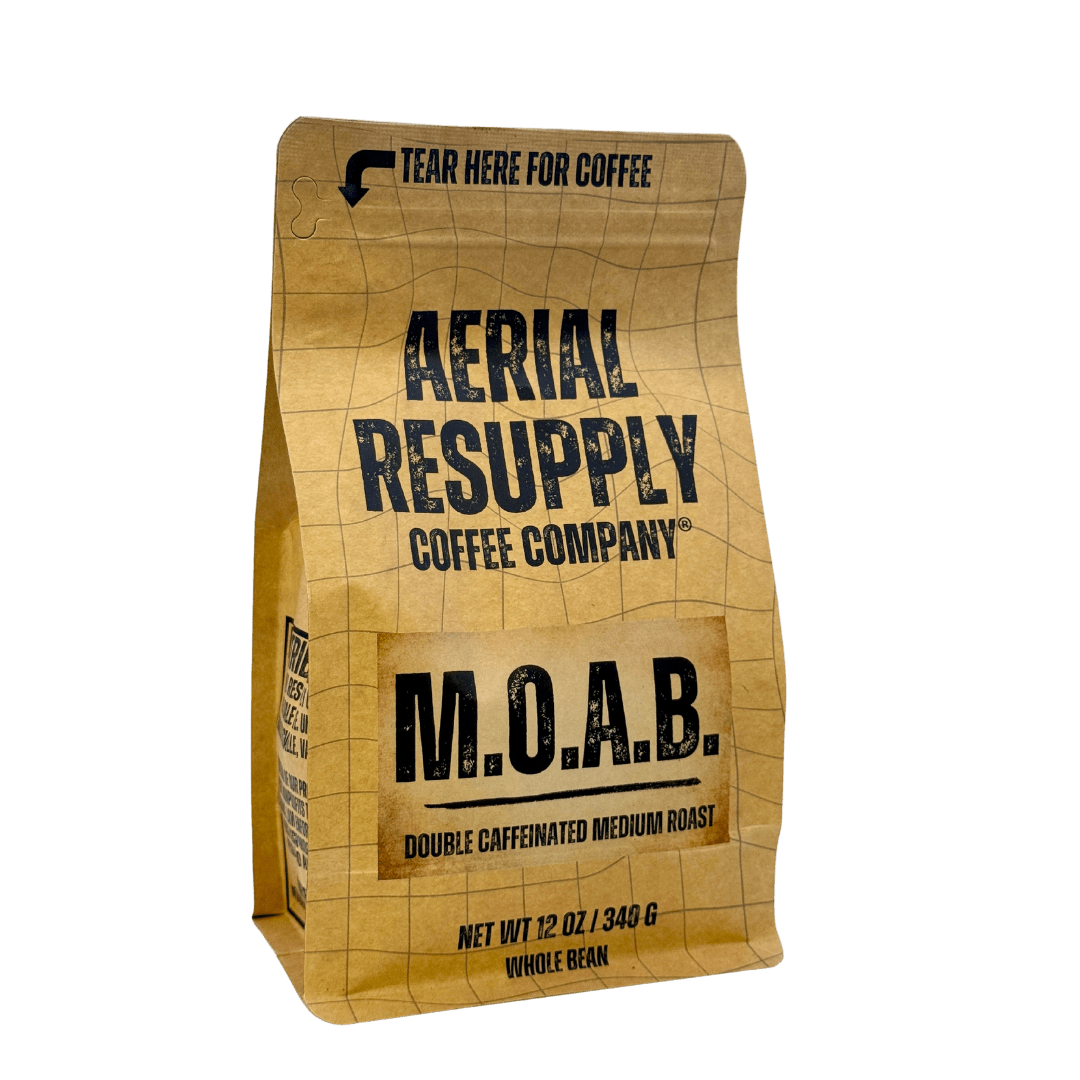
Three 12 ounce bags in one box. Pick a profile: Original (Fire Watch, MOAB, Spectre), Medium (Lifeline, Fire Watch, MOAB), or Dark (Spectre, 15W40, Cavalry). Whole bean or ground. It is about a month of coffee, and it answers the question of what they like without you having to ask.
Shop the Cargo BagAll military coffee giftsSubscribe and your first order is 30% off automatically. No code. Every delivery after that is 15% off, and you can change or cancel anytime.
What is a good coffee gift for a veteran under $25?
- The Loadout: 6-Roast Sampler, $8.99. Six 2 ounce packs, light to dark, including MOAB. Perfect stocking stuffer, and they figure out their favorite before you buy the big bag.
- K-Cup Sampler, $6.99. Same idea for the Keurig crowd. Six roasts, one pod each.
- Behoove Mug, $19.99. For anyone who has ever been told "it would behoove you" by someone who outranked them.
- The Lower The Rank, The Better The Idea Mug, $19.99. Every former E-4 will laugh. Every former officer will laugh a little less.
- A bag of Fire Watch, $16.99. Our smooth Colombian medium and the safest single bag you can give someone whose taste you do not know.
What are the best veteran coffee gifts from $25 to $60?
- Cargo Bag of Coffee, $49.99. Three full bags. The pick above.
- Cargo Box of K-Cups, $39.99. Three 12-count boxes in Original, Medium, or Dark. The office Keurig will never recover.
- AeroPress Original, $39.95. The brewer that makes a hotel room, a barracks kitchen, or an office breakroom survivable. Pair it with a bag of Spectre.
What is a great veteran gift from $60 to $100?
- The Staff Section 4-Pack, $69.99. I Turn Red Bubbles Into Green Bubbles. Status Update: Dumpster Fire. We Solved The Problem By Renaming It. The Lower The Rank, The Better The Idea. Anyone who has worked a TOC will feel personally attacked.
- Logistics Wins Wars Starter Pack, $79.99. Shirt, two 15 ounce mugs, a 9x12 metal sign, and a sticker. For the S4, the 92A, the 88M, and every warrant who pushed a convoy at 0300.
- G.O.O.D. Kit, $99.99. Get Out Of Dodge. An AeroPress Go, a 20 ounce insulated tumbler, and two bags of Spectre in one box. For the one who hunts, camps, travels, or still keeps a bag packed out of habit.
What is the gift that keeps showing up?
- A coffee subscription to their door. Pick their roast, check out with their address, and set it for every 4 weeks. First order is 30% off automatically, every delivery after is 15% off. $1 from every subscription order goes to Service Dogs of Virginia. Build a subscription.
- Gift card, $25 to $100. For when you genuinely have no idea, and you would rather they pick than guess.
How do you pick the right coffee for a veteran?
- Do they use a Keurig? Get pods. A bag of beans for a pod person is a paperweight.
- Do they drink it black? Go dark and bold: Spectre or 15W40.
- Do they complain that coffee "doesn't do anything anymore"? MOAB. About double the caffeine.
- Do they load it with creamer? Fire Watch. Smooth medium that does not turn to mud under milk.
- No idea at all? The Loadout sampler, then a subscription once they find the one.
What gifts do veterans not want?
Anything that looks like it came from the seasonal patriotic aisle. Skull-and-flag everything. Novelty "tactical" gear that has never seen a field. Items that thank them for their service in giant letters. Most veterans want to be treated like a regular person with good taste, which is what a great bag of coffee and a mug with an inside joke says.
Sending something to someone still deployed? Read our guide to coffee in a care package first. Some things do not survive the trip.
Get it there before November 11
Ships from our roastery in Charlottesville, Virginia. Order early in November so it arrives on time.
Shop the Cargo BagSee every giftQuestions people ask
What is a good gift for a veteran who loves coffee?
A multi-bag coffee bundle is the safest bet because it lets them find a favorite. The Cargo Bag of Coffee includes three 12 ounce bags in one box. For smaller budgets, a 6-roast sampler or a mug with a real military inside joke lands well.
What do you get a veteran for Veterans Day?
Something they will use instead of display. Good coffee, a brew kit like the AeroPress, a funny staff-section mug, or a coffee subscription shipped to their door all get used every morning.
Is a coffee subscription a good gift?
Yes, for anyone who drinks coffee daily. Choose their roast, check out with their shipping address, and set the schedule. The first subscription order is 30% off automatically, and every delivery after is 15% off.
What gifts should you avoid for veterans?
Most veterans skip generic patriotic decor, skull-and-flag designs, and novelty tactical gear. Practical gifts with a sense of humor go over far better than items that look like they came from a seasonal aisle.
What is a good gift for a military logistics officer?
The Logistics Wins Wars Starter Pack includes a shirt, two mugs, a metal sign, and a sticker built around the idea every logistician already lives by. Pair it with a bag of coffee.