
Your Grocery Store Coffee Really Did Get Weaker. Here Is What Happened.
Did your coffee actually change, or are you imagining it?
It changed. Between the start of 2024 and 2025 the wholesale cost of green coffee went up more than thirty percent, and arabica futures set an all-time record above four dollars a pound in February 2025 after drought damaged the Brazilian crop.
When the raw material doubles, a company selling a canister at a fixed shelf price has three options. Raise the price, shrink the container, or change what is inside it. Most large brands chose some combination of the second and third.
There is a reason they lean that way. As pricing analyst Mark Stiving put it, consumers are more price-sensitive than size-sensitive, so it is less painful to reduce the size. You notice a dollar. You do not notice seven and a half ounces.
How does a container get smaller but still promise the same number of cups?
This is the part that explains the thin cup, and it comes down to one detail most people never think about. A scoop measures volume. Coffee is sold by weight.
Those two things only agree if the density of the grounds stays the same. Change how the bean is roasted and processed and you change how much it puffs up, which changes how much actual coffee fits in that same scoop. Roast it to expand more and every scoop holds less coffee by weight while looking identical.
Now the label works. One major grocery brand cut its canister from fifty one ounces to forty three and a half, and still advertised up to four hundred cups, crediting a process that produces lighter-weight beans. The cup count on the front stayed true. The amount of coffee in each cup did not.
The same move shows up in instant. Another large brand went from just over thirty ounces to 26.8 ounces at the same price, which worked out to about thirty fewer cups in the jar. And on the ground coffee shelf, the twelve ounce bag has been quietly giving way to ten and a half, ten, and even eight ounces.
| What changed | What the label still says | What you taste |
|---|---|---|
| Canister shrinks, scoop stays the same | Same number of cups | Thinner, watery body |
| Beans processed to weigh less per scoop | Same brewing instructions | Weak at the usual setting |
| More robusta in the blend | Nothing, if it never claimed otherwise | Flatter, more rubbery bitterness |
| Bag drops from 12 oz to 10.5 oz | Same price | You run out sooner |
None of this requires anyone to lie. Every claim on those packages can be technically accurate while the coffee in your cup gets measurably weaker.
Why does more robusta change the taste?
Coffee comes from two commercially significant species. Arabica is sweeter, brighter, and more aromatic. Robusta carries more caffeine, more body, and a heavier, more rubbery bitterness when it is not handled well.
In March 2025 robusta traded around $2.41 a pound while arabica sat near double that. That gap is the entire reason blends quietly shifted. Moving a house blend a few percentage points toward robusta protects the shelf price without changing anything a shopper can see on the front.
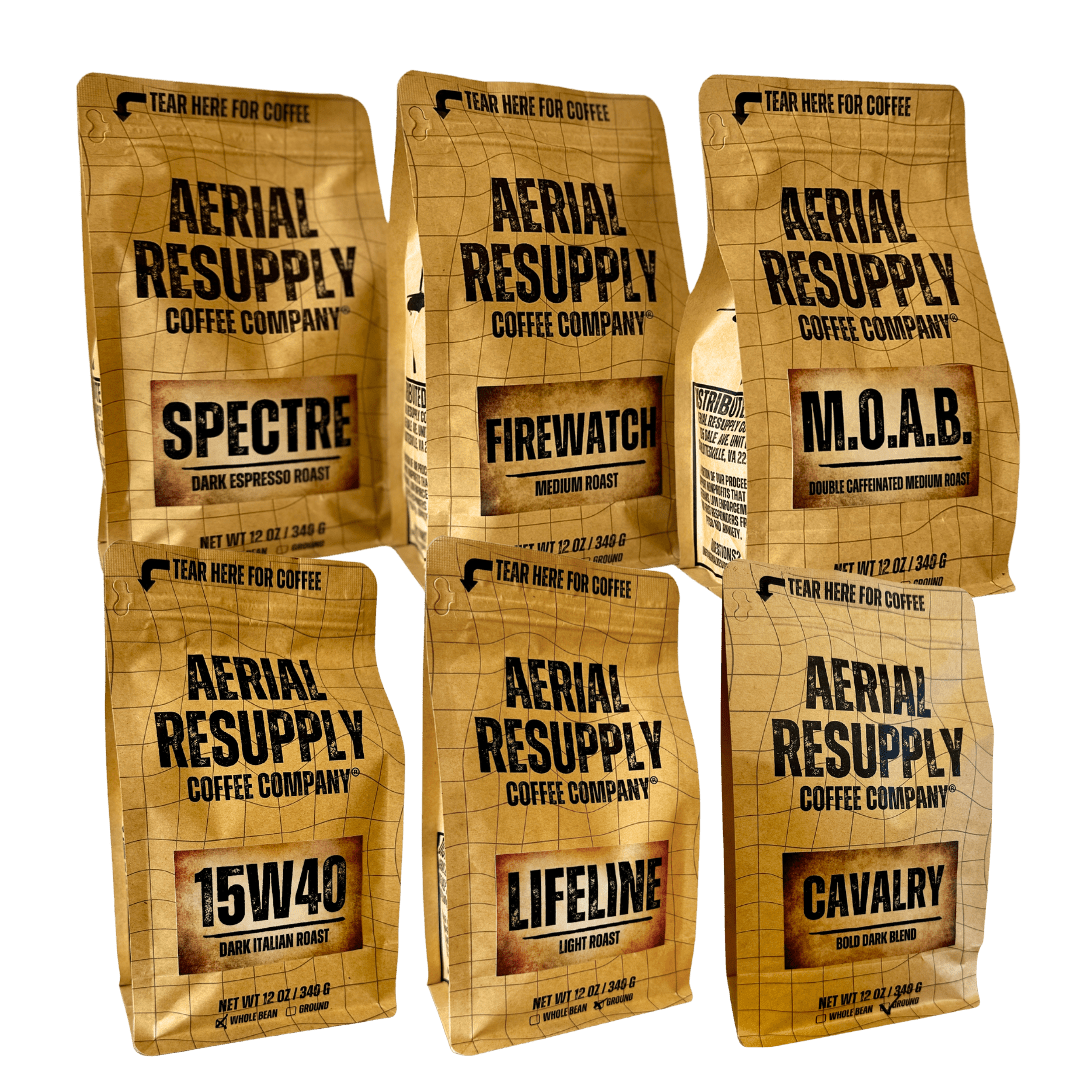
Robusta is not the villain here. Good robusta, grown carefully and roasted with intent, makes an excellent cup and it is the backbone of proper espresso in a lot of the world. We use it ourselves in exactly one coffee, MOAB, because the whole point of that bag is more caffeine and heavier body.
The difference is disclosure. When robusta shows up in a blend to hold a price point rather than to build a flavor, nobody puts it on the front of the package, and the drinker is left concluding their own palate broke.
How do you tell if it happened to your coffee?
Three checks, and you can do all of them in about two minutes.
Check the net weight against an old container
Not the cup claim, the ounces. If you have an older empty in the recycling or a photo of a past grocery order, compare them. This is where downsizing hides, and one economist at the Cato Institute calculated that container downsizing alone accounted for a 1.8 percent increase in the effective price of coffee between December 2019 and March 2024.
Look for a roast date, not a best-by date
A best-by date two years out tells you nothing about when the beans were roasted, and coffee is at its best in the first three to four weeks after the roast. If there is no roast date anywhere on the package, the coffee is old enough that the company would rather you did not know precisely.
Weigh one scoop
Any kitchen scale works. A standard mug wants about fifteen grams of ground coffee. If your usual scoop is coming in at eleven or twelve grams, you found your thin cup, and the fix is to stop measuring by scoop and start measuring by weight. Our coffee to water ratio guide covers the dose in detail.
That last one is worth doing even if you never change what you buy. Measuring by weight instead of volume fixes a surprising number of bad cups on its own.
What a bag looks like when nothing is hiding in it
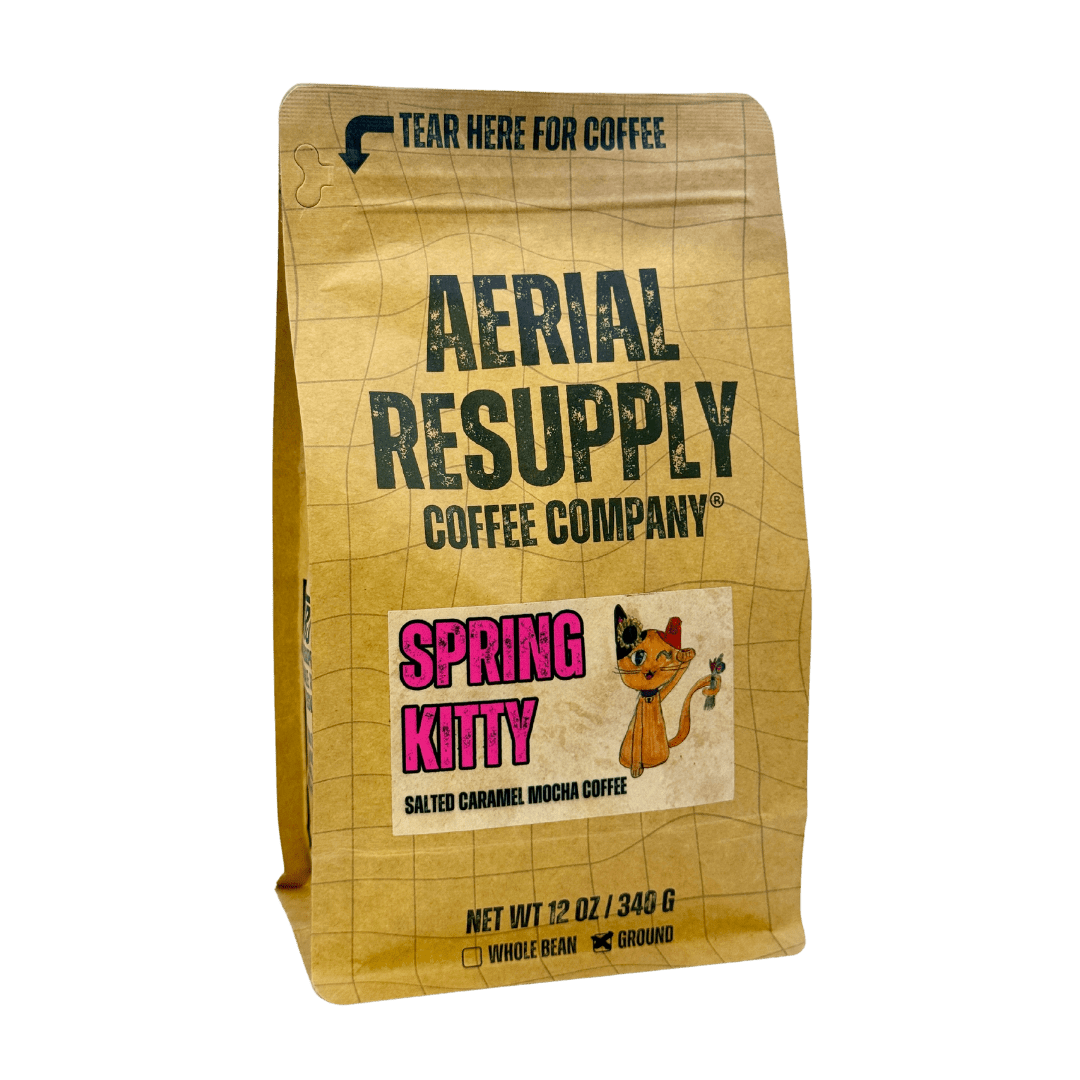
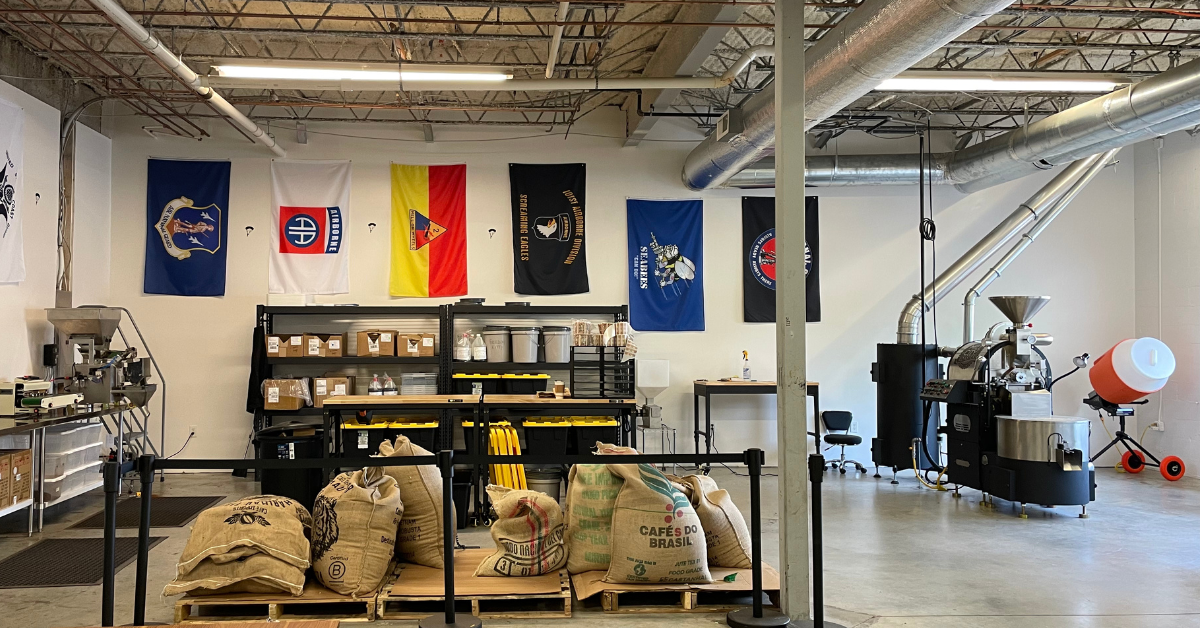
What we sell. Small-batch coffee roasted in Charlottesville, Virginia, in seven roasts from a blonde to a dark Italian. Twelve full ounces by weight, at $16.99, in whole bean or ground. When there is robusta in the bag, it says so on the front and it is the reason that bag exists.
Why it helps you. The bag does not shrink between orders and the blend does not quietly change underneath you. You dose by weight at about fifteen grams a mug, you get about twenty two mugs a bag, and it tastes the same in November as it did in March.
How to buy. Pick a roast and buy a bag, or set it on a delivery interval so it arrives before you run out. Subscriptions take 30% off the first order automatically, then stay 15% below retail. There is no code to enter.
Build your subscription →If you want the closest thing to what a good grocery-aisle medium used to taste like, start with Fire Watch, a balanced Colombian medium that drinks clean black and holds up to cream. If your complaint is that everything modern tastes scorched, 15W40 is the dark roast that stays smooth, and it carries a 4.86 average across 143 verified reviews.
Questions people actually ask
Why does my coffee taste weaker than it used to?
Most likely because the coffee changed rather than your taste. Green coffee costs rose more than thirty percent from the start of 2024, and large brands responded by shrinking containers, adjusting how beans are processed so a scoop holds less, and shifting blends toward cheaper beans. The brewing instructions stayed the same.
Did grocery store coffee actually get smaller?
Yes, and it is documented. One canister went from fifty one ounces to forty three and a half while still claiming up to four hundred cups. An instant jar dropped from over thirty ounces to 26.8 at the same price. Twelve ounce ground coffee bags are increasingly sold at ten and a half or ten ounces.
Why did coffee prices go up so much?
Drought damaged Brazil's crop and supply tightened in Vietnam, which pushed arabica futures to an all-time record above four dollars a pound in February 2025. That is roughly double where the market had been sitting, and it worked its way onto the shelf over the following year.
Is robusta coffee worse than arabica?
Not worse, different. Arabica is sweeter and more aromatic. Robusta has more caffeine and heavier body, and it is excellent when it is grown and roasted with care. The problem is not robusta in the bag, it is robusta added quietly to protect a price without telling the person drinking it.
How can I make weak coffee taste stronger?
Stop measuring by scoop and start measuring by weight. Aim for about fifteen grams of ground coffee per mug on a kitchen scale. If your usual scoop weighs eleven or twelve grams, that alone explains a thin cup, and correcting the dose fixes it without buying anything.
How do I know my coffee is fresh?
Look for a roast date printed on the package rather than a best-by date. Coffee is at its best in the first three to four weeks after roasting. A best-by date well into the future tells you nothing about when the beans actually came out of the roaster.
You spent a few weeks thinking your palate was going. It was not. The can got smaller, the scoop got lighter, and the label kept promising the same four hundred cups. Weighing your dose costs nothing and will tell you the truth in about thirty seconds.
Aerial Resupply Coffee is run by Michael Klemmer, who spent twenty years as an Army logistics officer and now buys green coffee in the same market everybody else does.
Pick a roast that stays the same →