Choosing a Coffee Supplier in Charlottesville
What should you actually compare?
Roast date policy first. Ask how many days after roasting the coffee ships. That single number tells you more about a supplier than the price per pound does.
Coffee is at its best three days to four weeks after roast. A supplier shipping from month-old stock is selling you a different product.
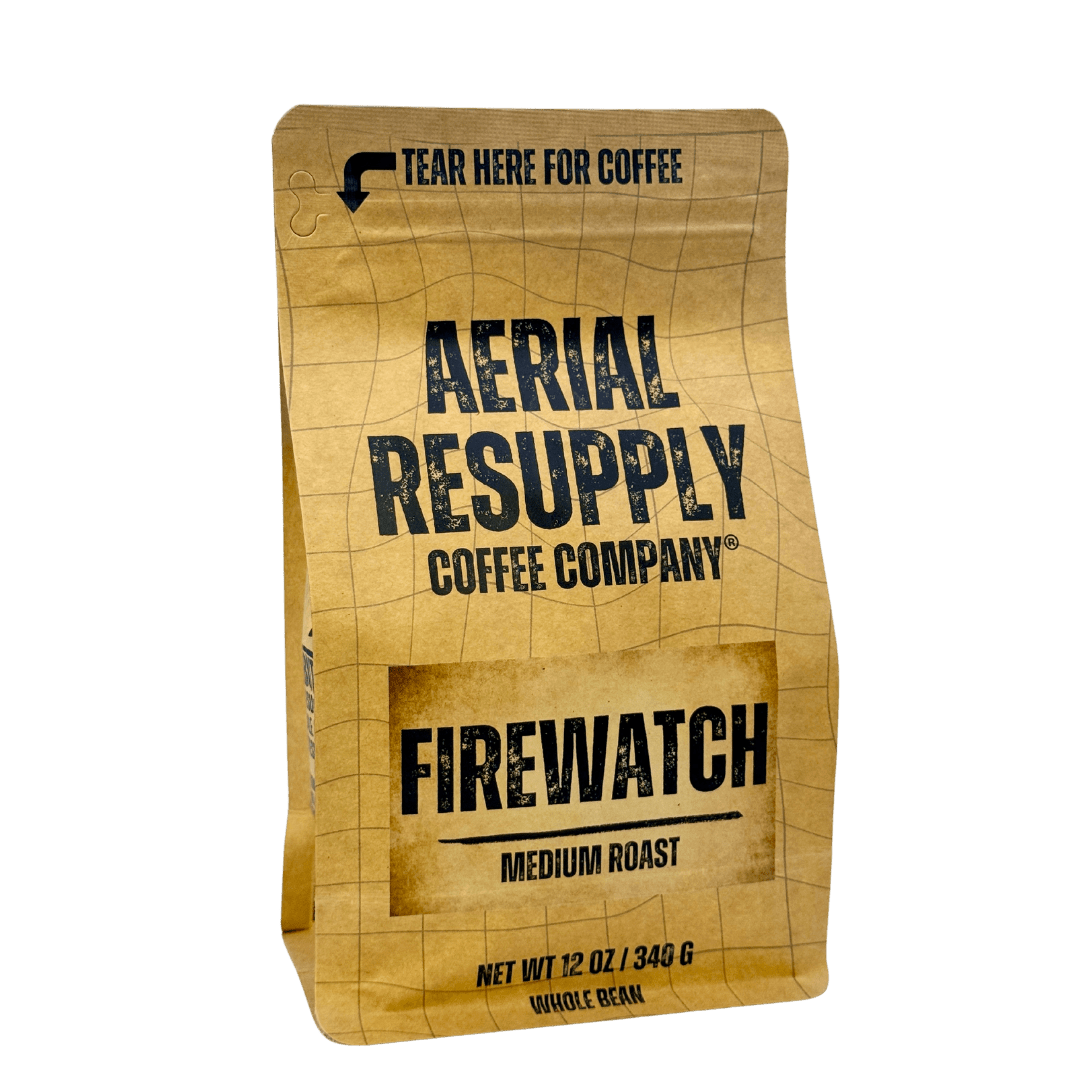
Fire Watch is the Colombian medium roast most people start with, and it works in almost anything you own.
Consistency matters more than peak quality in wholesale. Your customers notice variation.
| What to ask | Why it matters |
|---|---|
| How soon after roasting does it ship | Decides freshness on arrival |
| What is the minimum order | Decides your cash commitment |
| What is the lead time | Decides whether you can respond to demand |
| Can you hold a consistent blend | Decides whether customers notice changes |
| What happens if a batch is wrong | Decides how much risk you carry |
Now you know what it is. Here is whether it is worth making.
Knowing the definition is the easy half. The part that decides whether you like it is what goes in the cup underneath.
A drink built on mediocre coffee tastes like mediocre coffee with extra steps.
See the lineup →How much do minimums and lead time matter?
A lot, particularly for a cafe or office. A long lead time with a high minimum means holding stock, and held stock is stale stock in this category.
Shorter lead times let you order smaller and more often, which is better for freshness.
Ask what happens in a busy week. That is when suppliers actually get tested.
The ratio is the recipe. The bean is the flavour.
You can follow any of these to the gram and still not enjoy it, because everything downstream of the roast is decoration.
Start with coffee you would drink black, then build on it.
Browse best sellers →What do you need for an office versus a cafe?
An office wants consistency, easy reordering and formats that do not require training. A cafe wants roast consistency, espresso support and a supplier who will help dial in a shot.
For offices, pre-ground or pods usually beat whole bean, because nobody wants to be responsible for the grinder.
For cafes, ask whether they will come and help you calibrate. Many will.
One bag you know how to use beats five you do not.
Learn one roast properly. Then make sure you never open the cupboard and find it empty.
- Pick the roast that suits how you actually brew.
- Set it to resupply on a schedule that matches what you drink.
- Stop thinking about it. You do not hit zero again.
How do you get started?
Ask for samples of two or three roasts, brew them the way you actually will, and ask the five questions above before discussing price at all.
Sample it on your own equipment rather than theirs. That is the only test that counts.
We supply locally from Charlottesville and can be reached through the wholesale page on the site.
Brew it. Get after it.
Whatever tomorrow asks of you, it goes better on a cup that was worth the effort.
Subscriptions take 30% off the first order automatically. No code, nothing to remember. One time orders take 15% with WELCOME15.
Shop the lineup →Questions people actually ask
What should I look for in a wholesale coffee supplier?
Roast date policy, minimum order, lead time, batch consistency and support when something goes wrong. Price is easier to compare and less predictive than any of those.
How fresh should wholesale coffee be on arrival?
Ideally within a week or two of roasting. Coffee is at its best three days to four weeks after roast, so arrival age determines how much of that window you get.
What is a typical minimum order for wholesale coffee?
It varies widely by roaster. Smaller local roasters can often accommodate much lower minimums than national suppliers, which suits smaller cafes and offices.
Should an office buy whole bean or ground?
Ground or pods, usually. Whole bean is fresher but requires someone to operate and clean a grinder, which rarely survives contact with an actual office.
Can a local roaster supply a cafe?
Yes, and many prefer it. Local supply means shorter lead times and fresher coffee, and smaller roasters are often more willing to help with espresso calibration.