
The Story Behind Aerial Resupply Coffee
What does the name actually mean?
Aerial resupply is the delivery of supplies by air to people who cannot be reached any other way. It is unglamorous, entirely logistical, and it decides whether anything else is possible.
It is a job description before it is a brand name.
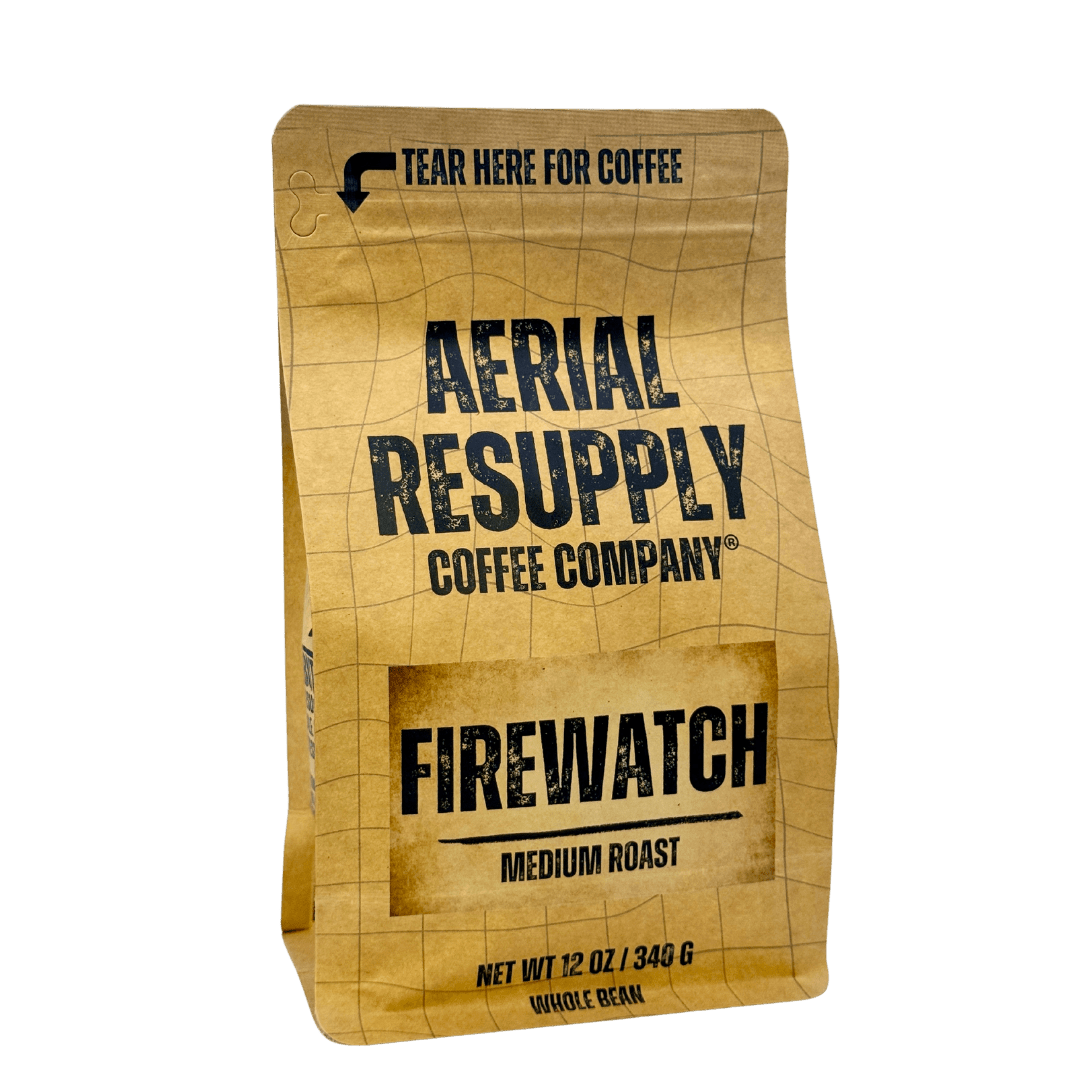
Fire Watch is the Colombian medium roast most people start with, and it works in almost anything you own.
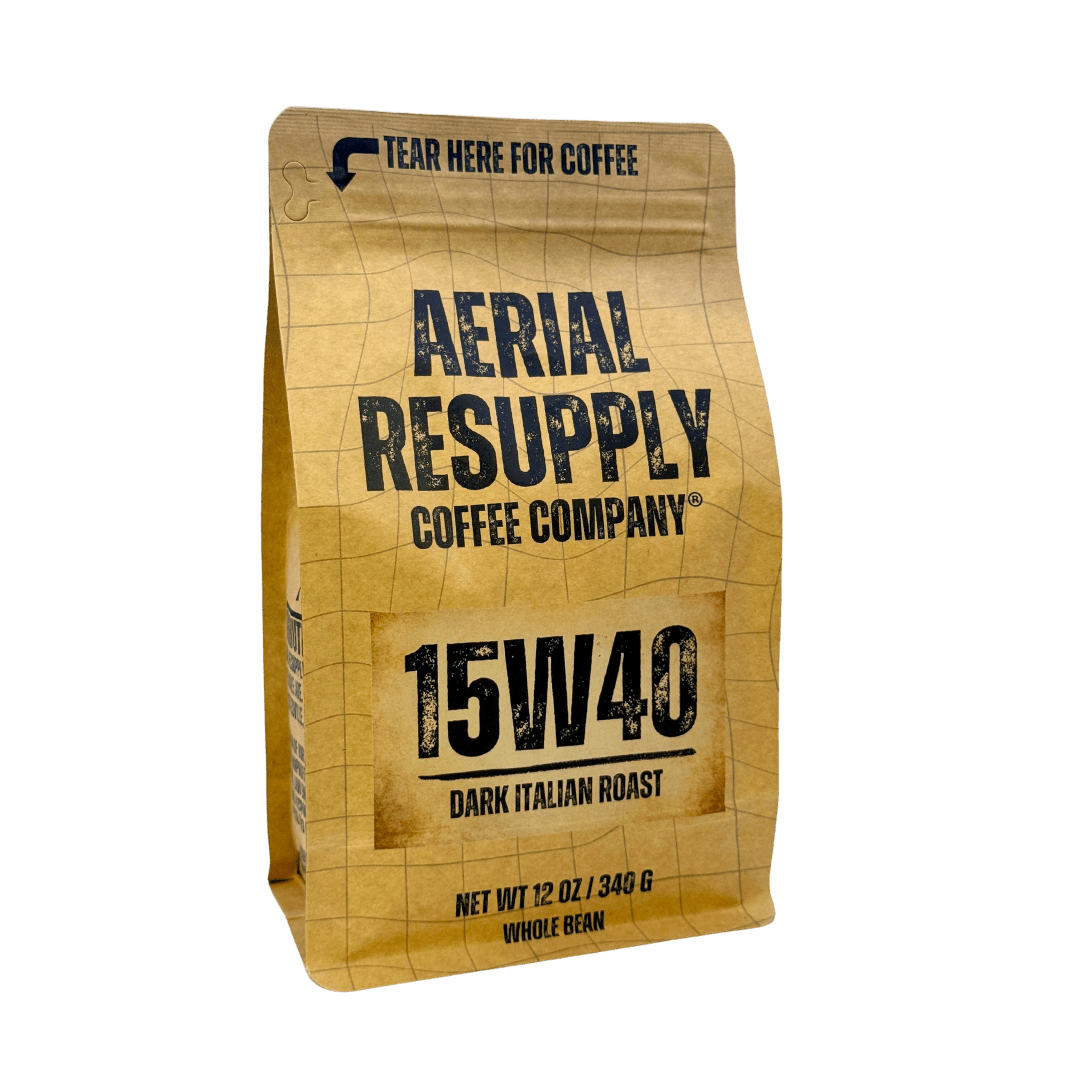
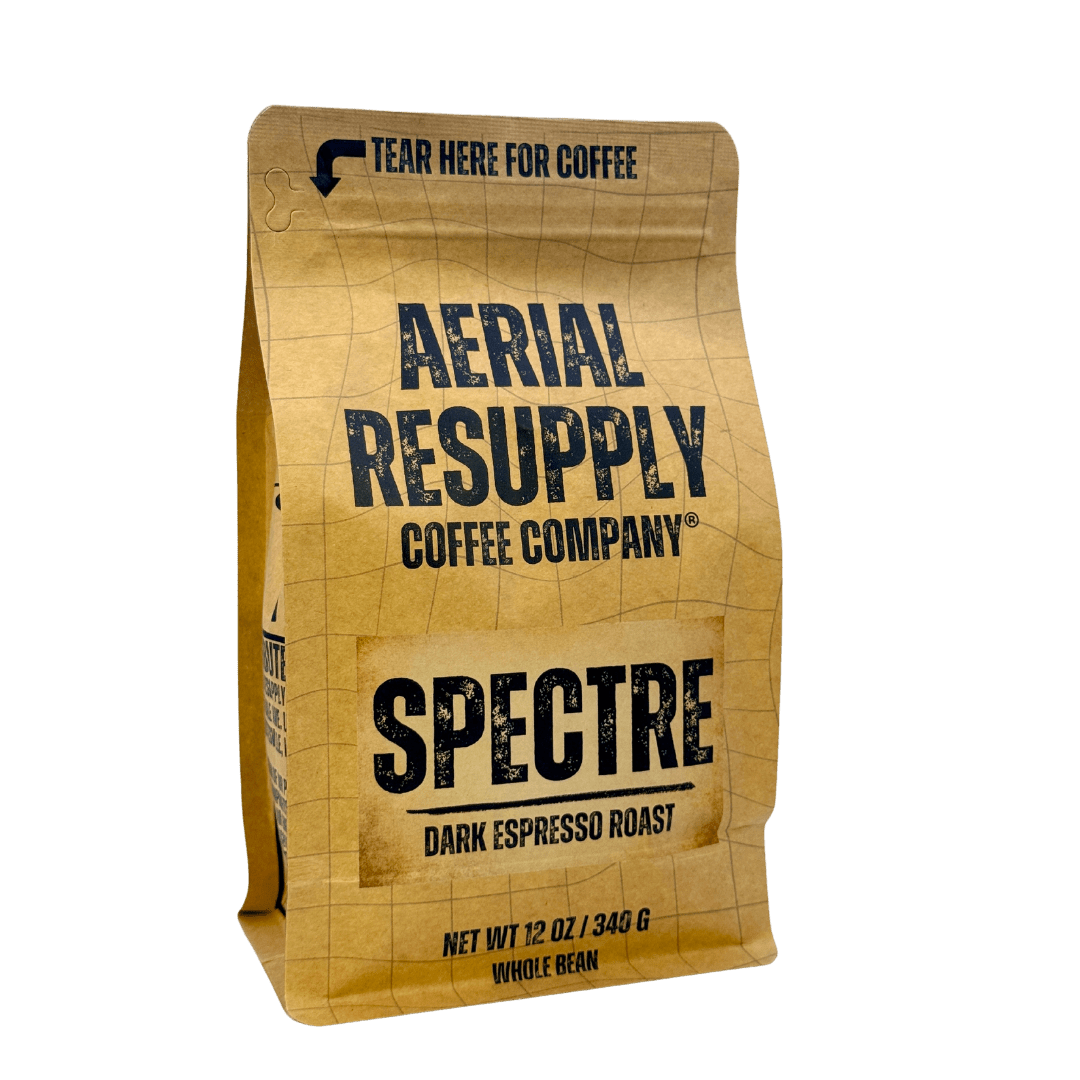
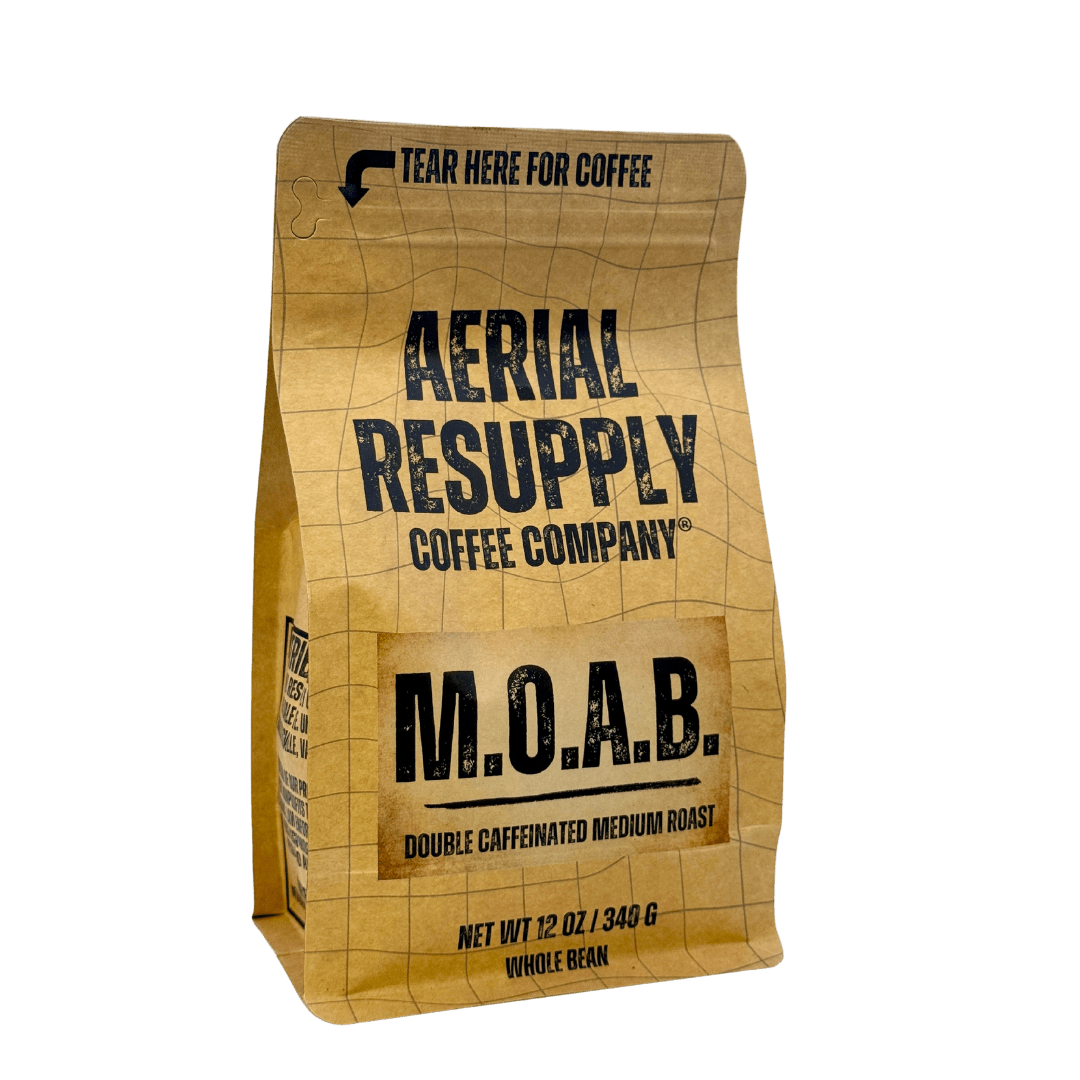
The roasts are named the same way, after the work rather than the mythology.
Every day starts with a mission. Most of them are unglamorous.
Anyone who has done the half of a job nobody claps for already knows this. The work that keeps things running is the work nobody sees.
It is true of a campaign and it is true of a Tuesday.
See the lineup →Who is the company built for?
Anyone who wakes up with something to accomplish. Military and veterans, first responders, healthcare, trades, teachers, parents, shift workers. Mission beats occupation.
The common thread is being the person other people rely on to have already sorted something.
That is a much wider group than the veteran coffee category usually writes for.
| Detail | |
|---|---|
| Roasted in | Charlottesville, Virginia |
| Retail | 705 Dale Avenue |
| Core roasts | Seven, blonde through dark Italian |
| Formats | 12 oz bags, 5 lb bulk, single-serve pods |
| Buying | One-time or subscription |
Nobody plans to run out. They just do not plan not to.
Then it is 6am, the bag is empty, and the day starts a step behind before anything else has gone wrong.
Readiness is not a feeling. It is whether the thing you need is where you need it.
Browse best sellers →What does it actually sell?
Small-batch specialty coffee. Seven core roasts, whole bean or ground, twelve ounce bags and five pound bulk, plus single-serve pods. Tea and drinkware alongside.
Origin, roast level and tasting notes are printed on every bag.
Subscriptions take 30% off the first order automatically with no code.
Preparation beats luck. That is the entire pitch.
You already apply this everywhere else. Coffee is the easiest place to get it right and the one most people leave to chance.
- Pick the roast that suits how you actually brew.
- Set it to resupply on a schedule that matches what you drink.
- Stop thinking about it. You do not hit zero again.
Why does any of that matter?
Across nearly two thousand reviews, the most common reason customers give for subscribing is not flavour or price. It is that they stopped running out. That is the whole idea, restated by the people buying it.
Readiness is not a feeling. It is whether the thing you need is where you need it.
Nobody plans to run out. They just do not plan not to.
Mission beats occupation.
Military, first responder, healthcare, trades, teacher, parent, or just someone with a long list. If you wake up with something to accomplish, this is built for you.
Subscriptions take 30% off the first order automatically. No code, nothing to remember. One time orders take 15% with WELCOME15.
Shop the lineup →Questions people actually ask
What does aerial resupply mean?
The delivery of supplies by air to people who cannot be reached otherwise. It is a logistics function, and the company name is a direct reference to it.
Where is Aerial Resupply Coffee based?
Charlottesville, Virginia, with a retail location at 705 Dale Avenue. All coffee is roasted there in small batches.
Is it veteran owned?
Yes, it is a service-disabled veteran-owned small business. The company stayed small deliberately, which is part of what keeps that status valid.
What coffee does it sell?
Seven core roasts from blonde through dark Italian, sold whole bean or ground in twelve ounce bags and five pound bulk, plus single-serve pods. Tea and drinkware alongside.
How does the subscription work?
Pick a roast and an interval. It ships automatically and takes 30% off the first order with no code. You can pause, reschedule or swap roasts yourself at any time.