Private Label Coffee: Everything You Need to Know Before Starting a Coffee Brand

TL;DR Private label coffee means selling someone else's roast under your own label. It looks easy, and that is the trap. You give up control of quality, sourcing, and fulfillment, you carry all the shipping cost, and the margins only work at volume. Done with eyes open it can work. Done blind, it drains cash fast.

I'm Michael Klemmer, a 20-year U.S. Army logistics officer and the founder of Aerial Resupply Coffee, a specialty roastery in Charlottesville, Virginia. I started this business the same way a lot of people do, with white labeling. So this is not theory. This is the guide I wish someone had handed me before I spent money learning it the hard way.

There are roasters and businesses out there preying on people who think a brand is easy. Slap a label on a bag, watch the orders roll in, quit your job. It does not go like that. Here is how private label coffee actually works, where the money leaks out, and what nobody selling you a "brand in a box" wants to say out loud.

What Is Private Label Coffee, Really?

Private label coffee is using someone else's roast and putting your label on it to call it your brand. The roaster sources the beans, runs the roast, and often fills the bag. You supply the name on the front.

That sounds simple, and the mechanics are. The hard part is what you quietly give up. You do not control quality. You do not control sourcing. You do not control fulfillment. You are not in the process at all. What you are is a brand sitting on a shelf or an e-commerce page, selling someone else's coffee with your label on it, expected to act like you know exactly what you are talking about.

And everything is slower and more expensive for you than it is for the roaster. You wait on their production queue. You pay their price. You eat the shipping. The upside is you skip the six figures it takes to buy a roaster and a warehouse. The downside is you are renting your entire supply chain and hoping the landlord cares as much about your brand as you do.

What Are the Minimum Order Quantities, and Why Do They Hurt?

Many private label roasters require a minimum order, meaning you prepurchase a set number of bags with your label on them before they will run the job. That minimum is where a lot of new brands get stuck.

Think about what a minimum order actually is. It is a pile of already-roasted, already-labeled bags sitting in your space that you have not sold yet and have no proven demand for. Coffee starts losing flavor the moment it leaves the roaster. So the clock is running on inventory you paid for up front, before a single customer has told you they want it. That is money decaying on a shelf.

The fix is to find a roaster who will fulfill on demand, roasting and shipping only as orders come in. That works, when you can find a partner willing to operate that way. The tradeoff is that on-demand partners usually limit you to their production roasts, not a custom blend built to your spec. You trade control of the recipe for not eating stale inventory. Pick your poison.

Approach Upside Downside
Minimum order, prepurchased Lower per-bag cost, custom roast possible Cash tied up in decaying inventory with no proven demand
Fulfill on demand No stale stock, roast when it sells Usually locked to the roaster's production roasts, not custom

Why Does Offering Whole Bean, Ground, and K-Cups Cost You?

Customers do not want one coffee one way. They want whole bean, they want ground, and they want K-Cups. That is a single coffee offered three ways, and each version adds labeling, product requirements, and packaging and labor on the roaster's side. That extra work cuts into margin, and the roaster is not absorbing it. You are.

Every format you add multiplies your SKU count and your complexity before you have proven that even one format sells. Three roasts across three formats is nine products to package, label, stock, and reconcile. New brands almost always launch with too many options and learn later that simplicity would have kept them alive. Prove one before you offer nine.

What Margins Can You Actually Expect From Private Label Coffee?

You can make money in private label coffee, but the honest truth is the only way to truly do it is through volume. The per-bag math is tight, and it gets tighter once the costs nobody mentions show up.

Run the numbers. Say a roaster charges you 10 to 12 dollars per 12-ounce bag to fulfill, before shipping. Specialty coffee retails somewhere around 17 to 20 dollars depending on quality and reputation. That leaves you 5 to 8 dollars a bag to cover marketing, operating costs, and every other expense between you and an actual profit.

Now the part that surprises people. Most roasters will not absorb shipping for a private labeler in any way. That cost gets charged elsewhere and lands entirely on you, the end brand. So you might generate 20 orders in a day and feel great, then run the full math and clear 40 dollars once shipping, fees, and overhead come out. Twenty orders is not twenty wins. It is twenty chances to find out where your margin really went.

Line Rough Figure (12 oz bag)
Retail price (specialty) $17 to $20
What the roaster charges you $10 to $12
Left to you before shipping $5 to $8
Shipping On you, not the roaster
Marketing, fees, and overhead Out of what remains

What Packaging Options Do You Have, and What Do They Cost You?

For bags, you have two real paths. Sticker a standard ziplock or tin-tie bag, or invest in preprinted bags. Stickering is common, cheap, and safe, but it does not look as professional and it will not get you onto a retail shelf initially. Preprinted bags look the part, and you can find them at most budgets, but you are investing heavily in a brand that has zero volume and zero demand yet.

Worse, preprinted locks you in. Every SKU you want to offer needs its own printed bag, ordered in quantity, before you know if it sells. Stickering is the low-risk way to start and test. Preprinted is the move once a product has earned it.

K-Cups are a different story altogether. Foil lids are effectively a requirement to work reliably with Keurig-compatible machines. There are plastic-style lids out there, but in my experience they do not work as well and cause real problems, with lids failing to puncture and coffee and hot water going everywhere across a lot of customers. You can use unbranded foil lids, but then your customer cannot see what is in the pod, which defeats the point of building a brand.

So to brand a K-Cup properly you have to design a branded foil lid and find a partner who can produce branded foil pods, usually at higher minimums than a one-off bag run. It is not the same process as bagged coffee. Not close. Budget more time, more money, and more patience for pods than you expect.

What Has to Be on a Private Label Coffee Bag?

At a minimum, a compliant coffee label needs the product identity, the net weight in ounces and grams, and the name and place of business of whoever is responsible for the product. Since you are not the roaster, that responsibility line has to be qualified, reading "Manufactured for" or "Distributed by" your brand.

One requirement almost every beginner's guide skips: the final packaging location has to be identified on the label or bag in some way. That is an FDA and agriculture requirement tied to selling across state lines. It can vary by state, and mine is Virginia, so confirm your own, but the principle holds. The bag has to say where it was packed. If your label hides that, you have a problem the first time product crosses a state line.

Beyond the legal minimum, add a roast date and a scannable UPC or GTIN barcode if you want serious buyers or retail placement. And do not freelance health claims on a coffee bag. Keep the label accurate and boring, and keep the story on the front where it belongs.

How Does the Roasting and Freshness Piece Really Work?

Private label coffee is never as fresh as coffee roasted on demand, and freshness is most of what "good coffee" means. A roasted bag has to clear the roaster's queue, get labeled, ship to you, and sit until a customer buys it. That is days to weeks of aging built into the model before anyone takes a sip.

Consistency is the other half. A real roaster hits the same profile batch after batch so the cup does not drift, and that repeatability is exactly what you are paying for. When you vet a partner, ask how they log and control roast profiles and whether they cup for quality. Vague answers are your answer. The coffee is the product, even when your name is the one on it.

Who Handles Fulfillment, and Why Does It Land on You?

Fulfillment is either yours to run, your roaster's to run for you, or a third party's. Whoever does the work, the shipping cost almost always ends up on the brand, which is you. That single fact reshapes the entire margin conversation above.

If you fulfill yourself, you own the picking, packing, labeling, and the platform to manage it, plus the customer experience and the data. If your roaster ships for you, ask whether they will blind-ship, meaning the box arrives with your branding and no trace of theirs. A blind-shipping partner is the setup you want, and not every roaster offers it. Whatever you choose, do not build your pricing until you know exactly who pays to move the box, because it is going to be you.

What Are the Most Common Private Label Coffee Mistakes?

The biggest one is buying a minimum order of inventory you have not sold, then watching it go stale. Coffee is perishable and demand is unproven at launch, which is the worst possible combination for prepurchased stock. Start small, or start on-demand, and let the roaster hold the risk.

Close behind it is underpricing. New brands anchor to the grocery shelf and price a specialty product like a commodity, then wonder why 5 to 8 dollars a bag never becomes profit. You cannot out-cheap the bottom shelf, so do not try.

After that it is the usual graveyard. Picking a roaster who does not actually care about small accounts. Forgetting shipping until it eats the margin. Launching nine SKUs before proving one. And the quiet killer, having no real reason to exist. There are a lot of coffee brands. The ones that last stand for something specific to a specific group of people. If your only differentiator is a logo, the shelf will forget you before it ever notices you.

Talk To ARC

Still Want to Build a Coffee Brand?

Good. It can absolutely work, and plenty of great brands run on private label and wholesale. But it works when you go in with clear eyes and a roaster who will shoot straight with you instead of selling you a fantasy.

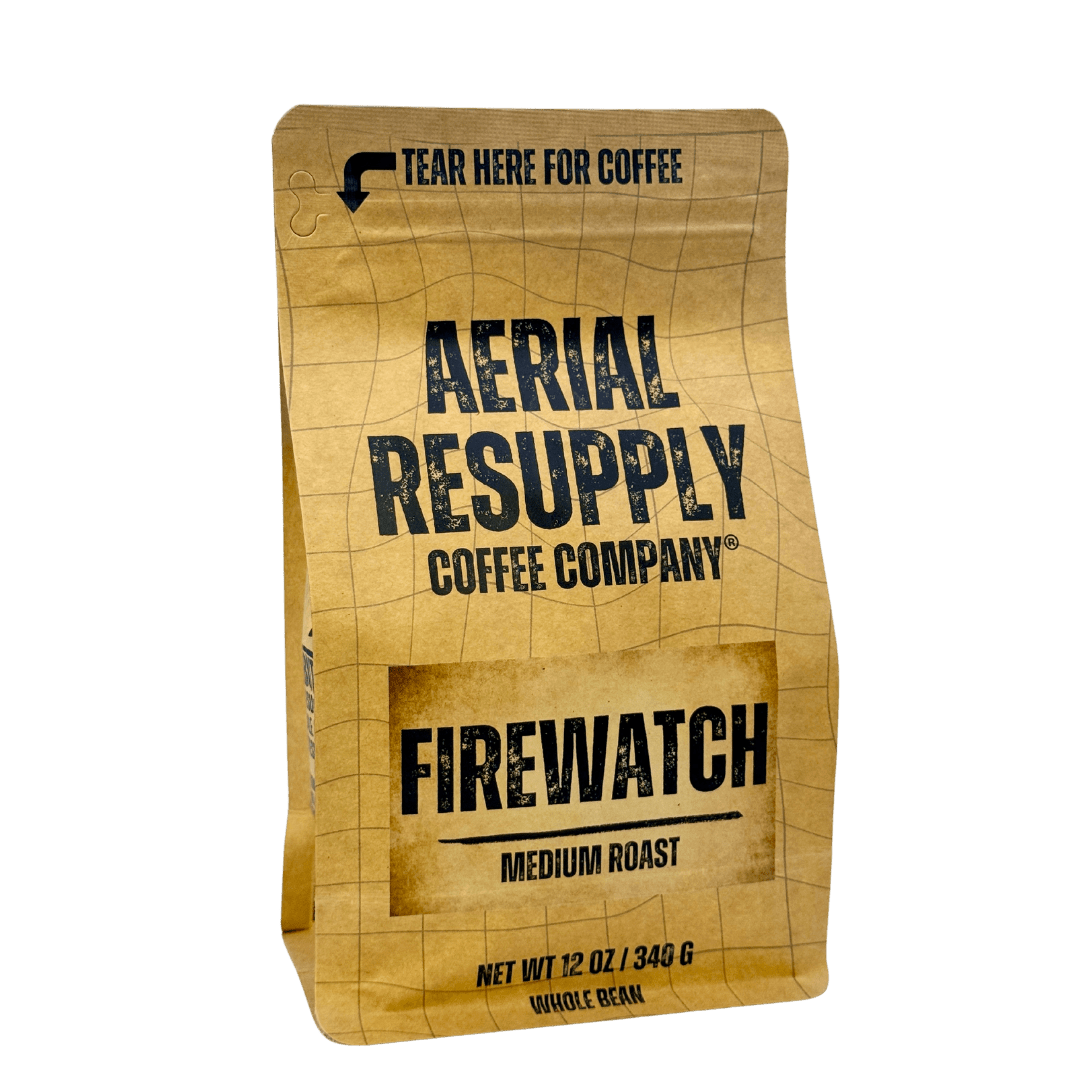
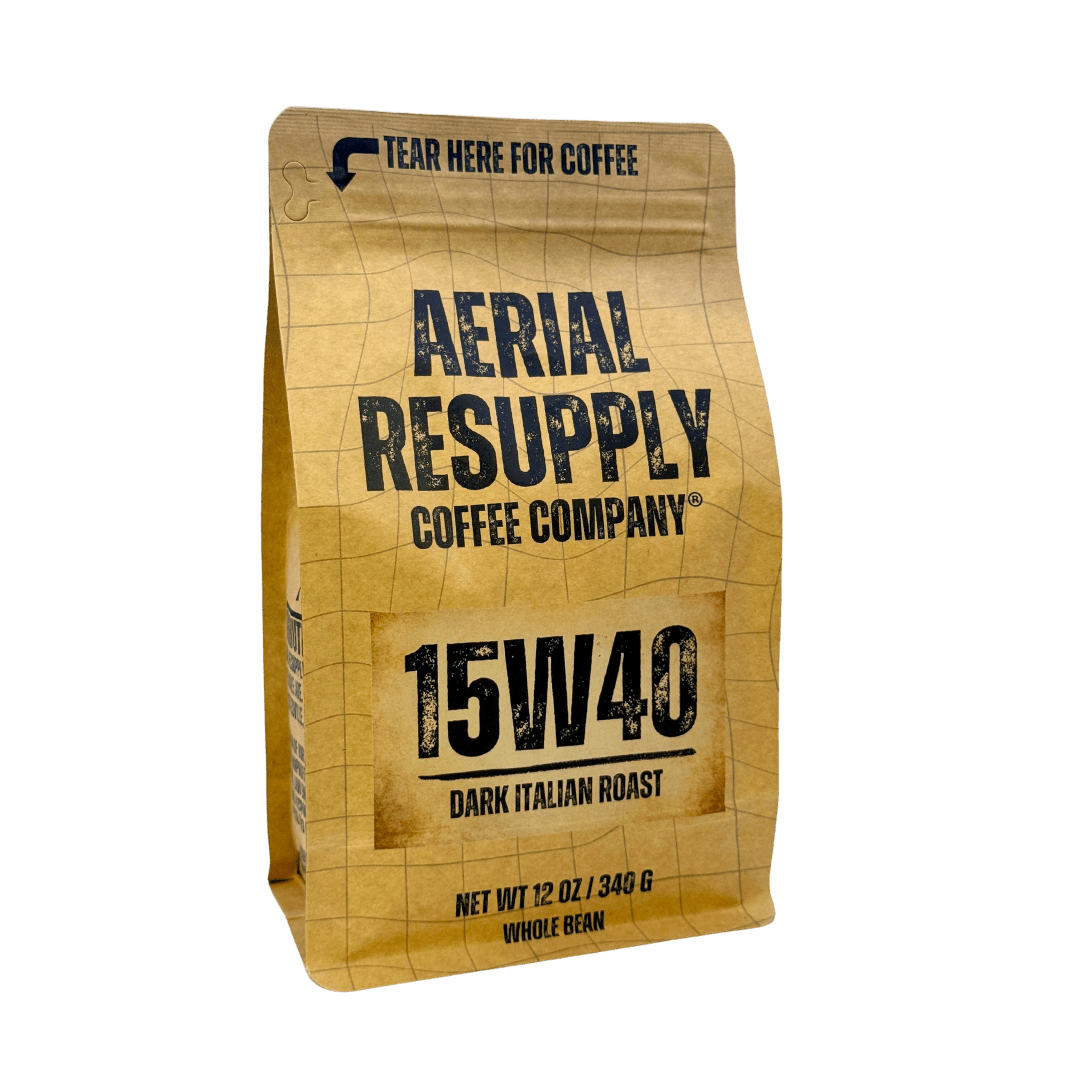
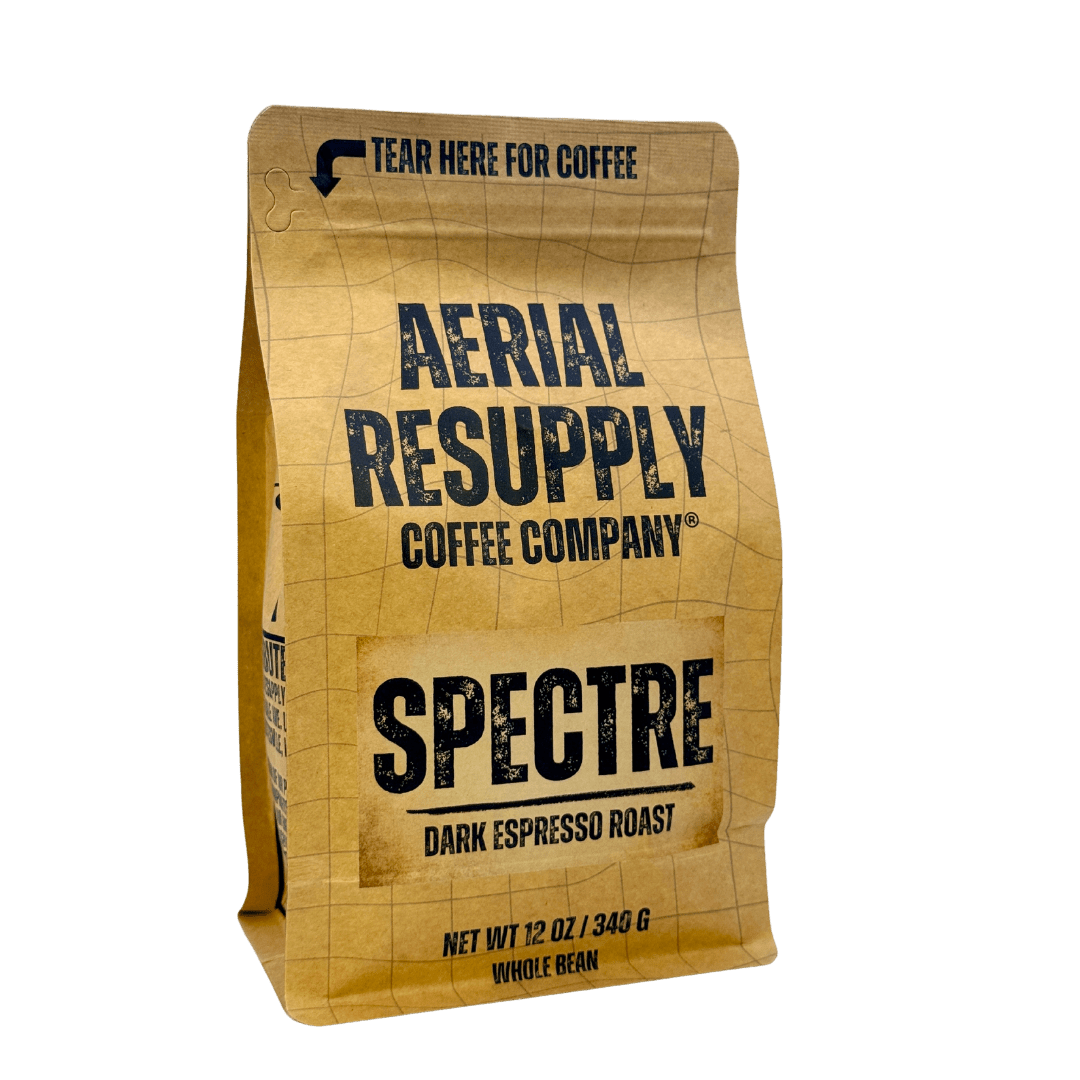
Aerial Resupply Coffee offers white label and co-packing across all three formats people actually ask for, whole bean, ground, and K-Cup. That includes the branded foil pod work most roasters will not touch. I have been through every step of this, and I am glad to have an honest conversation to figure out whether I am the right fit for your brand, including veteran-owned brands. If I am not, I will tell you that too.

Explore White Label & Co-Packing →

Frequently Asked Questions

Is private label coffee actually easy?

No. The mechanics are simple, which is why people underestimate it. You give up control of quality, sourcing, and fulfillment, you carry the shipping cost yourself, and the margins only work at real volume. It can succeed with discipline and the right partner, but the "brand in a box" pitch leaves out everything that makes it hard.

How much money can you make on private label coffee?

Per bag, less than you think. If a roaster charges 10 to 12 dollars to fulfill a 12-ounce bag and it retails around 17 to 20, you keep 5 to 8 dollars before shipping, marketing, and overhead. Twenty orders a day can net a very small number. Profit in private label comes from volume, not from any single bag.

What is the difference between private label and white label coffee?

People use them interchangeably. White label usually means a generic product resold under many brands' labels, while private label often implies a more exclusive arrangement with one roaster. In coffee, both come down to the same thing: the roaster makes it, you brand it. Ask any partner exactly what you are getting before you sign.

Do you have to put where the coffee was packaged on the label?

Yes. FDA and agriculture rules require the responsible party's name and place of business on the label, and the final packaging location has to be identified in some way to sell across state lines. Requirements vary by state, so confirm yours. If you are not the roaster, the label must read "Manufactured for" or "Distributed by" your brand.

Should I start with private label or roast my own coffee?

Most successful brands start with private label or co-packing to validate demand with real buyers, then bring roasting in-house once monthly volume justifies the capital. Private label lets you test the brand cheaply. Just go in knowing you are renting the supply chain and carrying the costs the roaster will not.

I built this brand the way I ran logistics for two decades. Find out what the customer actually needs, cut what does not matter, and deliver it without the theater. If you are thinking about doing the same with coffee, talk to a roaster who has already made the mistakes so you do not have to.

Explore Wholesale & Private Label →


FAQs

The standard coffee-to-water ratio is 1:16 (1 gram of coffee for every 16 grams of water). For example, a 12-ounce cup (about 355 grams) would need approximately 22 grams of coffee. Adjust to your taste: 1:15 for stronger coffee or 1:17 for lighter brews.

Grind size directly impacts how water extracts flavor from coffee grounds. A grind too fine can result in over-extraction and bitterness, while a grind too coarse can lead to weak, under-extracted coffee. Match the grind to your brewing method:

  • French press: Coarse grind (like sea salt)
  • Drip coffee: Medium grind (like sand)
  • Espresso: Fine grind (like powdered sugar)

Bitterness can result from:

  • Water that’s too hot (above 205°F).
  • Brewing for too long.
  • Using too fine a grind for your brewing method.

To fix this, lower the water temperature, shorten your brew time, or switch to a coarser grind.

Store coffee in an airtight, opaque container like the Fellow Atmos Vacuum Canister. Keep it in a cool, dark place away from heat, light, and moisture. Avoid storing coffee in the fridge or freezer, as condensation can degrade the flavor.

Use a thermometer or a temperature-controlled kettle like the Fellow Stagg EKG Electric Kettle. The ideal brewing temperature is 195°F–205°F. If you don’t have a thermometer, let boiled water sit for 30 seconds before using it.

A burr grinder is strongly recommended for consistency. Burr grinders produce uniform grind sizes, which ensure even extraction and better-tasting coffee. Blade grinders, on the other hand, create uneven particles that can lead to inconsistent flavor.

For the best flavor, use beans within 2–3 weeks of roasting. Check the roast date when buying coffee. At Aerial Resupply Coffee, our beans are roasted in small batches to ensure maximum freshness when they reach your door.

Start with these three simple upgrades:

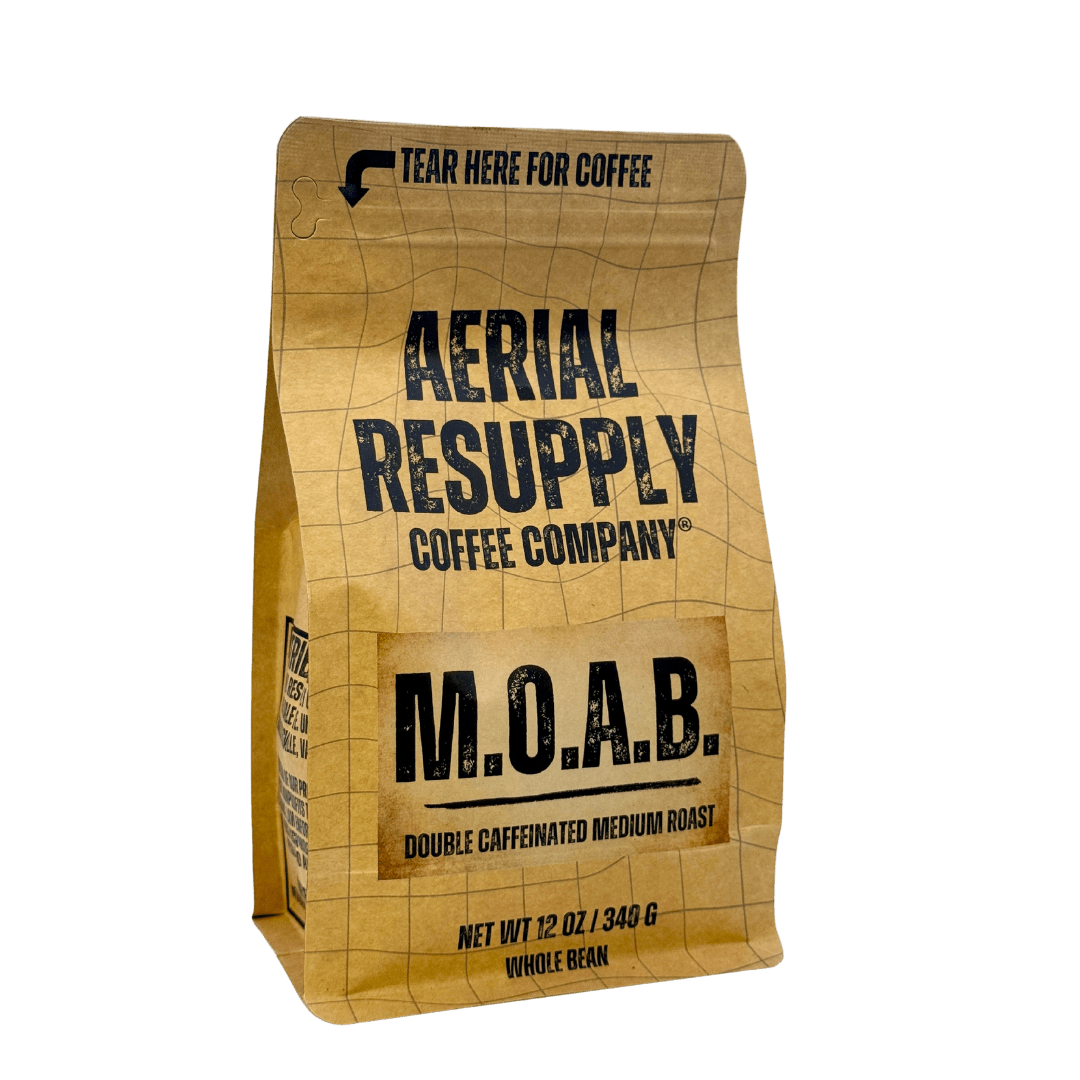
  1. Use freshly roasted, high-quality beans like MOAB Medium Roast.
  2. Invest in a burr grinder for precise grind sizes.
  3. Measure coffee and water with a digital scale to ensure consistent ratios.

The French press is a great starting point for beginners. It’s straightforward, requires minimal equipment, and delivers rich, full-bodied coffee. Pair it with a reliable burr grinder and a scale for consistent results.

At Aerial Resupply Coffee, every purchase helps support veterans, military spouses, and first responders. By choosing our coffee, you’re not just enjoying bold, flavorful blends—you’re contributing to a meaningful mission and honoring those who serve.