
How to Read a Coffee Bag: 9 Things That Tell You If It Is Any Good (and 4 Words That Mean Nothing)
A good coffee bag tells you where the coffee is from, how dark it is roasted, what it tastes like, and when it was roasted. A bad one tells you it is bold, gourmet-style, and extremely American.
Here is how to read the label in about ten seconds, so the next bag you buy is one you actually finish.
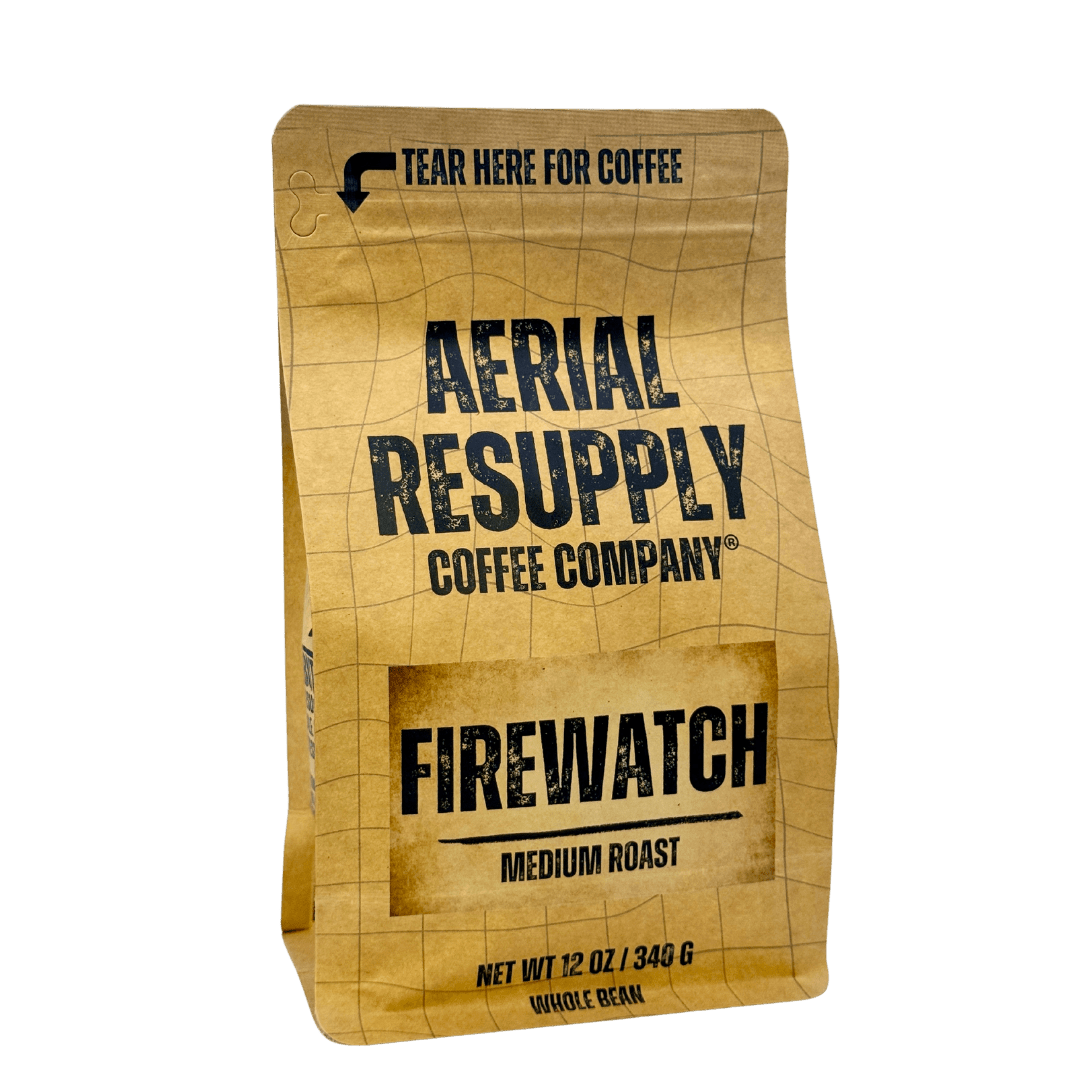
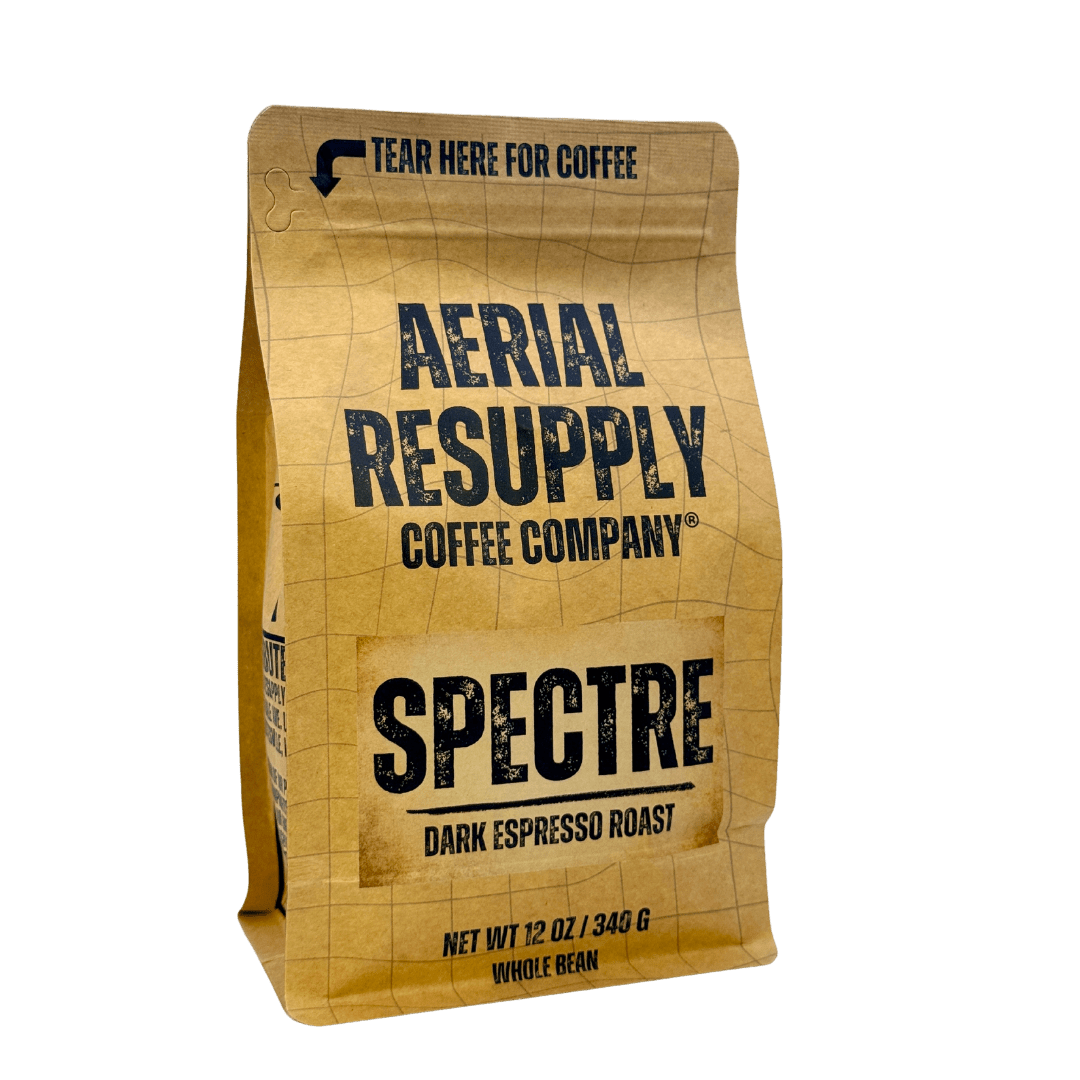
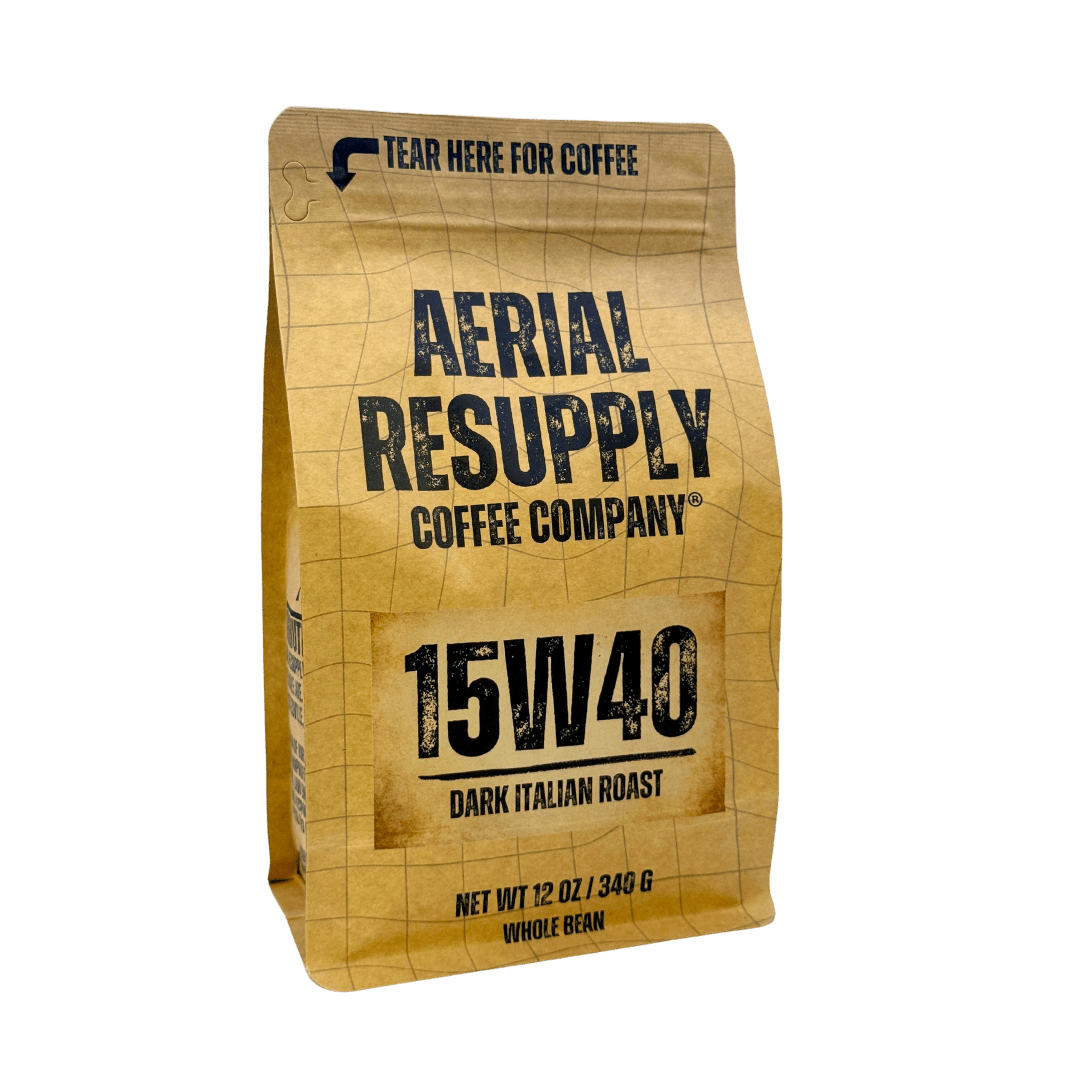
Every one of our roasts lists the stuff that matters, in plain English.
Origin. Roast level. What it tastes like. Whether it is bitter. Whether it is acidic. What to brew it in. Example: Spectre is a Colombian and Sumatran dark espresso roast that tastes like dark chocolate and toffee. Not sure which one fits you? Six roasts in The Loadout sampler for $8.99.
Compare the roastsTry 6 for $8.99Subscribe and your first order is 30% off automatically. No code. Every delivery after that is 15% off, and you can change or cancel anytime.
What should you look for on a coffee bag?
1. Roast date, not just a best-by date
Coffee tastes best within weeks of roasting, not years. A roast date tells you exactly how fresh it is. A best-by date two years out tells you almost nothing. Some roasters print a lot code instead, and a good one will tell you how to read it.
2. Origin
"Colombia" or "Ethiopia" tells you something. "Sourced from the world's finest regions" tells you nothing. Origin hints at flavor: Colombian coffees often run caramel and nutty, Ethiopian coffees often run fruity and floral, and Sumatran coffees often run earthy and heavy.
3. Single origin or blend
Single origin comes from one country or region and tastes like that place. A blend mixes origins to hit a flavor on purpose. Neither is better. A blend that names what is in it is a good sign. A blend that hides it usually has a reason.
4. Arabica or Robusta
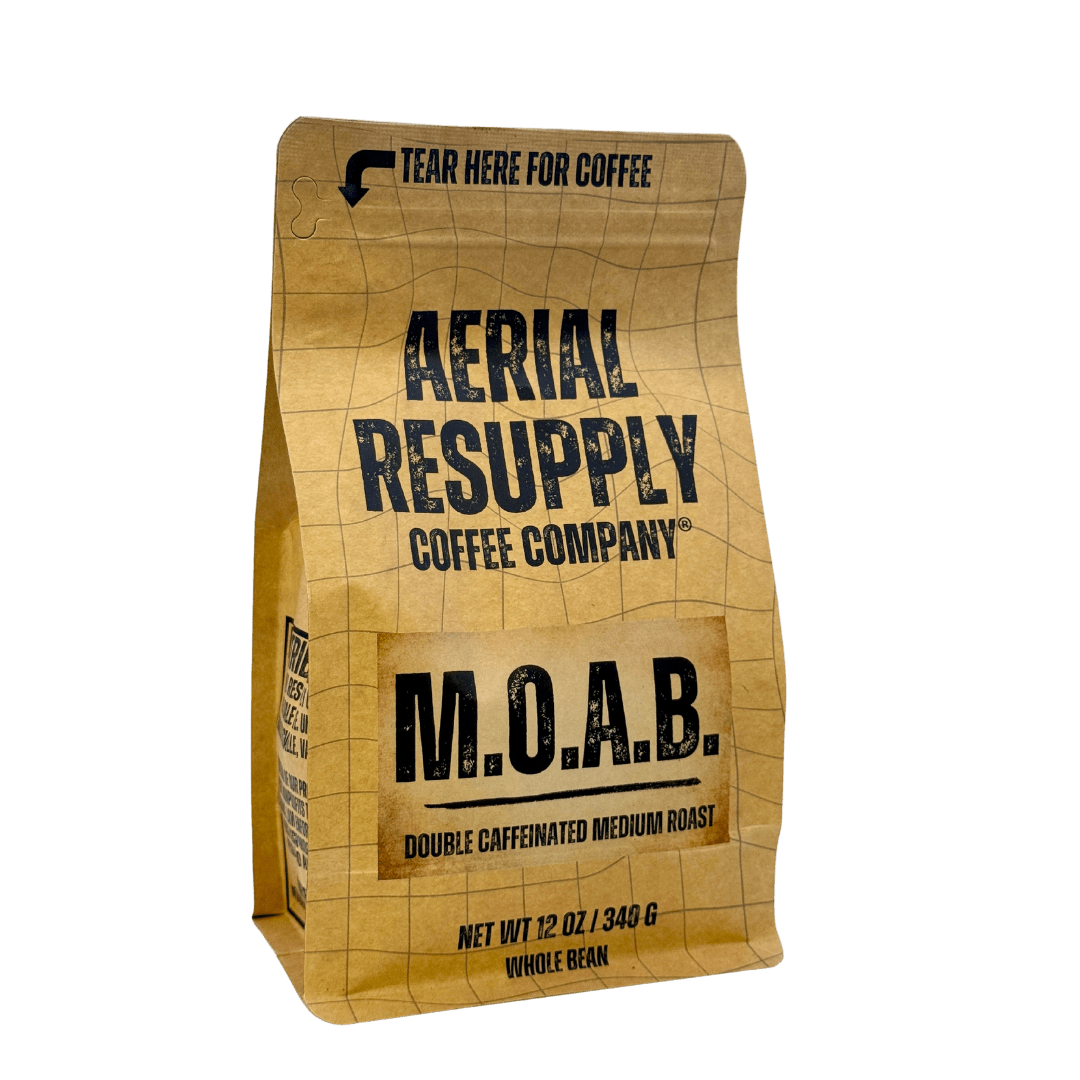
Arabica is sweeter and more complex. Robusta has roughly twice the caffeine and a heavier, nuttier body. "100% Arabica" is not a quality badge. Plenty of bad coffee is 100% Arabica. Good Robusta, roasted well, is how you get coffee like MOAB.
5. Roast level
Light tastes brighter and more like the bean. Medium is sweet and balanced. Dark is heavy, chocolatey, and roasty. If the bag does not say, it is usually darker than you want. The full breakdown is in blonde vs medium roast.
6. Process: washed, natural, or honey
This is how the coffee fruit was removed from the bean. Washed coffees taste clean and bright. Natural coffees dry with the fruit still on, so they taste sweeter and fruitier, like our Ethiopian Natural Yirgacheffe. Honey sits in between.
7. Tasting notes
"Chocolate and toffee" does not mean chocolate was added. It describes flavors that come from the bean and roast. Think of tasting notes as directions, not ingredients. They are the fastest way to know if you will like a coffee before opening it.
8. Whole bean or ground
Whole bean stays fresh longer. Ground is faster. If it is ground, check that it matches your brewer. Which one to buy.
9. A one-way valve
That little circle on the bag lets carbon dioxide out without letting oxygen in. Fresh roasted coffee releases gas for days. A bag without a valve was either packed after the coffee went flat or is about to puff up.
What words on a coffee bag mean nothing?
| Word on the bag | What it actually tells you |
|---|---|
| Barista quality | Nothing. No barista signed off on it. |
| Fresh (with no date) | Nothing. Fresh compared to what? |
| Signature blend | They blended it. Every blend is someone's signature. |
| Tactical, operator, mil-spec | That the marketing budget went to the label. Coffee cannot be tactical. |
If the bag spends more space on skulls and adjectives than on origin and roast, you already know how that cup is going to taste.
What does "specialty coffee" mean on a bag?
It has a real definition. Specialty coffee scores 80 or higher out of 100 on the standard cupping scale used by professional graders. It is a meaningful term when a roaster uses it honestly, which is why it is worth a look at what else the bag tells you. More in what specialty coffee actually means.
Now pick one that tells you the truth
Every roast page lists origin, roast, and what it tastes like. Pick one, choose whole bean or ground, and set it to ship every 2, 4, or 8 weeks. First subscription order is 30% off automatically, 15% off every delivery after.
Shop the lineupFind your roastQuestions people ask
What is the most important thing on a coffee bag?
The roast date. Coffee tastes best within weeks of roasting, so a roast date tells you how fresh it is. After that, origin, roast level, and tasting notes tell you whether you will like it.
What does washed vs natural process mean?
It describes how the coffee fruit was removed. Washed coffees have the fruit removed before drying and taste clean and bright. Natural coffees dry with the fruit on and taste sweeter and fruitier.
Do tasting notes mean flavors were added?
No. Tasting notes like chocolate or citrus describe flavors that naturally come from the bean and the roast. Flavored coffee is labeled as flavored.
Is 100% Arabica coffee better?
Not automatically. Arabica tends to be sweeter and more complex, but plenty of low quality coffee is 100% Arabica. Well-roasted Robusta can be smooth and carries about twice the caffeine.
What is the valve on a coffee bag for?
The one-way valve lets carbon dioxide from freshly roasted coffee escape without letting oxygen in, which helps keep the coffee fresh.