
What Is Specialty Coffee, Actually?
What is the actual definition?
Green coffee scoring 80 or above out of 100 on the SCA scale, assessed by certified graders on aroma, flavour, acidity, body, balance and defects. Below 80 is commodity grade.
The score applies to the green bean before it is ever roasted.
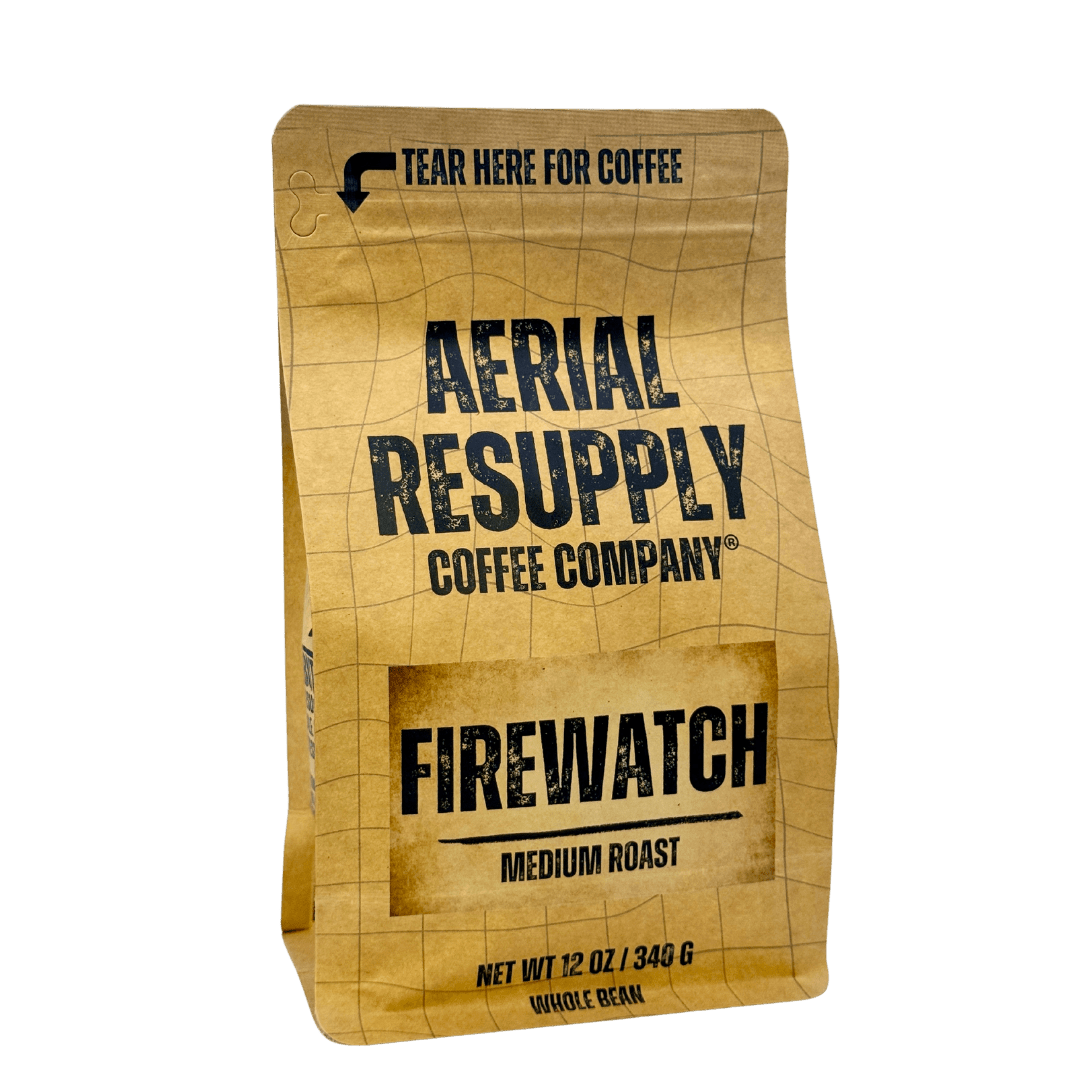
Fire Watch is the Colombian medium roast most people start with, and it works in almost anything you own.
It says nothing about whether the roaster or the barista did their job.
| Score | Grade | What it means |
|---|---|---|
| 90 to 100 | Outstanding | Rare, exceptional lots |
| 85 to 89 | Excellent | High end specialty |
| 80 to 84 | Very good | Entry specialty |
| Below 80 | Commodity | Not specialty by definition |
Now you know what it is. Here is whether it is worth making.
Knowing the definition is the easy half. The part that decides whether you like it is what goes in the cup underneath.
A drink built on mediocre coffee tastes like mediocre coffee with extra steps.
See the lineup →What does the label not guarantee?
That the coffee in your cup is good. A specialty grade bean can be scorched in roasting, sat in a warehouse for six months, or brewed badly. The score covers one stage of a long chain.
Freshness is not part of the score. A roast date tells you more about your actual cup.
Nobody audits the term at retail, so a bag can say specialty without much behind it.
The ratio is the recipe. The bean is the flavour.
You can follow any of these to the gram and still not enjoy it, because everything downstream of the roast is decoration.
Start with coffee you would drink black, then build on it.
Browse best sellers →What actually makes a coffee shop good?
Fresh coffee, competent brewing, and staff who can tell you the origin and roast date. Equipment matters far less than whether anyone is paying attention.
Ask when it was roasted. A good shop answers without checking.
Consistency is harder than a single excellent cup and matters more.
One bag you know how to use beats five you do not.
Learn one roast properly. Then make sure you never open the cupboard and find it empty.
- Pick the roast that suits how you actually brew.
- Set it to resupply on a schedule that matches what you drink.
- Stop thinking about it. You do not hit zero again.
Should you pay more for it?
Sometimes. Specialty grade beans cost more to produce and buy, so the price is real. Whether the roaster and the shop did anything worthwhile with them is a separate question you can only answer by tasting.
Fifteen to twenty-two dollars for twelve ounces is normal specialty pricing.
Well above that, you are paying for something other than the bean.
Brew it. Get after it.
Whatever tomorrow asks of you, it goes better on a cup that was worth the effort.
Subscriptions take 30% off the first order automatically. No code, nothing to remember. One time orders take 15% with WELCOME15.
Shop the lineup →Questions people actually ask
What score does specialty coffee need?
80 or above out of 100 on the Specialty Coffee Association scale, assessed by certified graders on the green coffee before roasting.
Is specialty coffee always better?
Not necessarily in the cup. The score grades the green bean. Roasting, freshness and brewing all happen afterwards and can undo it entirely.
Who decides what counts as specialty coffee?
The Specialty Coffee Association sets the grading standard, and certified Q graders assess samples against it. The term is not policed at retail.
Is third wave the same as specialty?
No. Specialty is a grading standard. Third wave is an approach emphasising origin, producer and lighter roasting. They overlap but describe different things.
How can you tell if a coffee shop is any good?
Ask when the coffee was roasted and where it is from. Specific answers without hesitation are the best single indicator you will get.