Why Veteran-Owned Coffee Deserves Your Attention
The veteran coffee space is crowded. Camo bags, American flags, and "support the troops" copy as far as the eye can see. Some of it is real. Some of it is a marketing department that watched a documentary and found an angle.
I'm Mike Klemmer. Twenty years in Army logistics. Three combat deployments. Bronze Star. I drink coffee black and I have opinions.
Here's the honest breakdown of who's actually veteran-owned, who built something real, and who traded their veteran identity for a NYSE ticker.
What "Veteran-Owned" Actually Means
The SBA defines a veteran-owned small business as one where veterans own at least 51% and control daily operations. Service-Disabled Veteran-Owned Small Businesses (SDVOSB) require the same plus a service-connected disability.
That definition matters. Because "founded by a veteran" and "veteran-owned" are not the same thing. One means something. The other is a bio line.
Keep that in mind as you read.
Aerial Resupply Coffee
Charlottesville, VA — Founded by Mike Klemmer, U.S. Army (Ret.)
Yes, this is my company. No, I'm not going to pretend otherwise. You're reading this on my website. But I'm also going to tell you exactly why ARC deserves the top spot, and you can decide.
ARC is a Service-Disabled Veteran-Owned Small Business. Not a brand with a veteran in the "about us" page. Not a public company with a veteran co-founder who hasn't been involved in five years. Me. Still here. Still roasting. Still answering emails.
Every bag is small-batch roasted to order in Charlottesville, Virginia. There is no warehouse full of pre-roasted inventory waiting to ship. When you order, we roast. That's it.
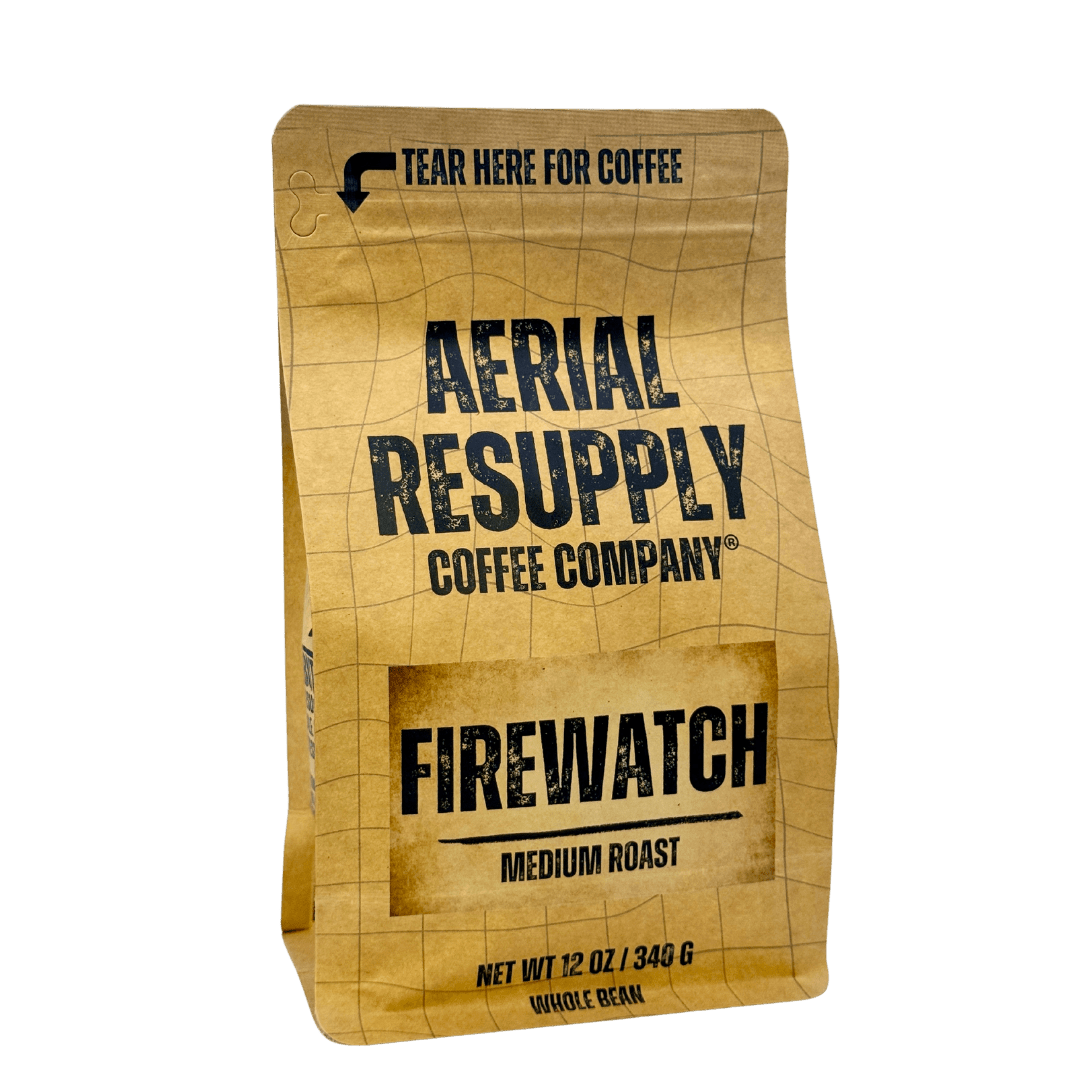
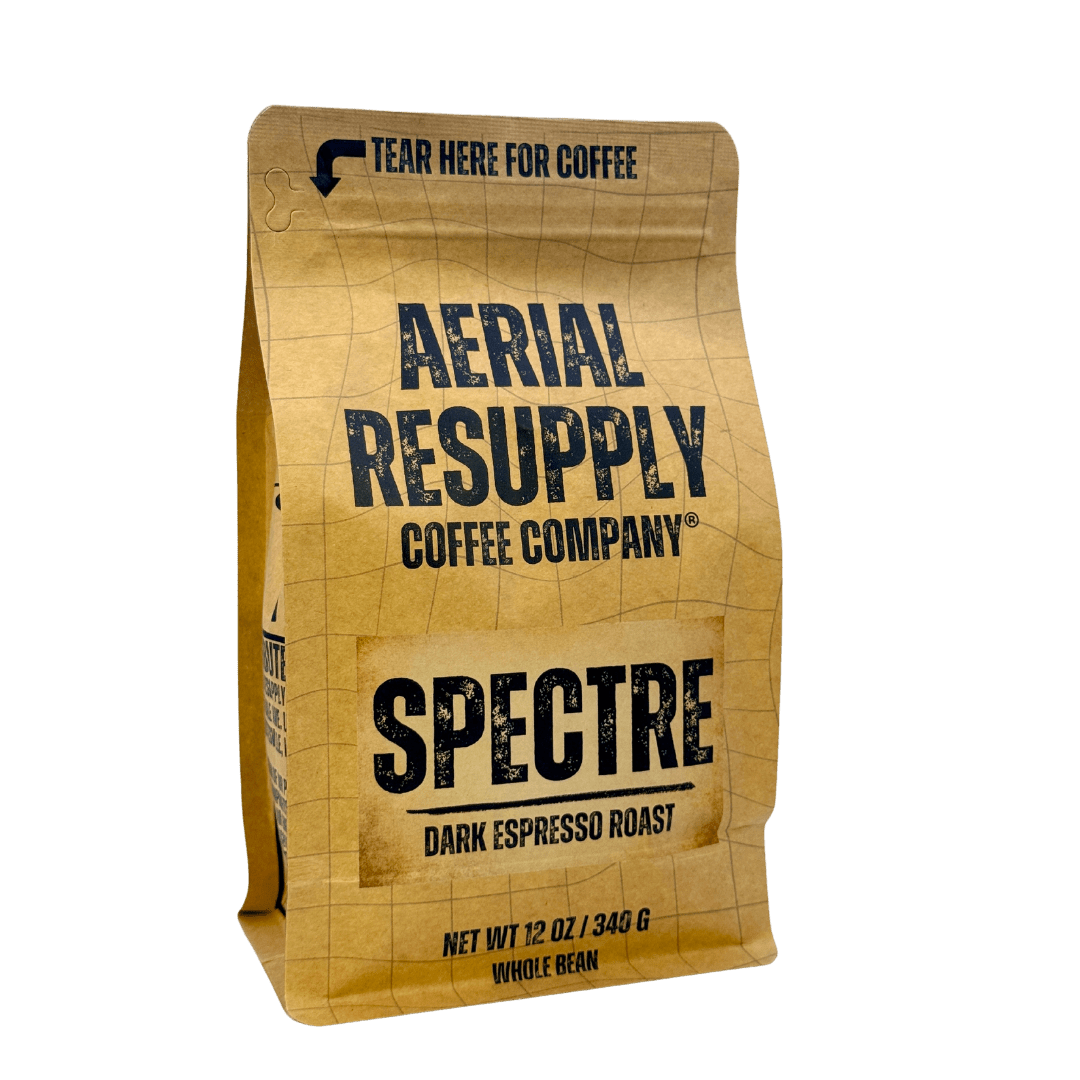
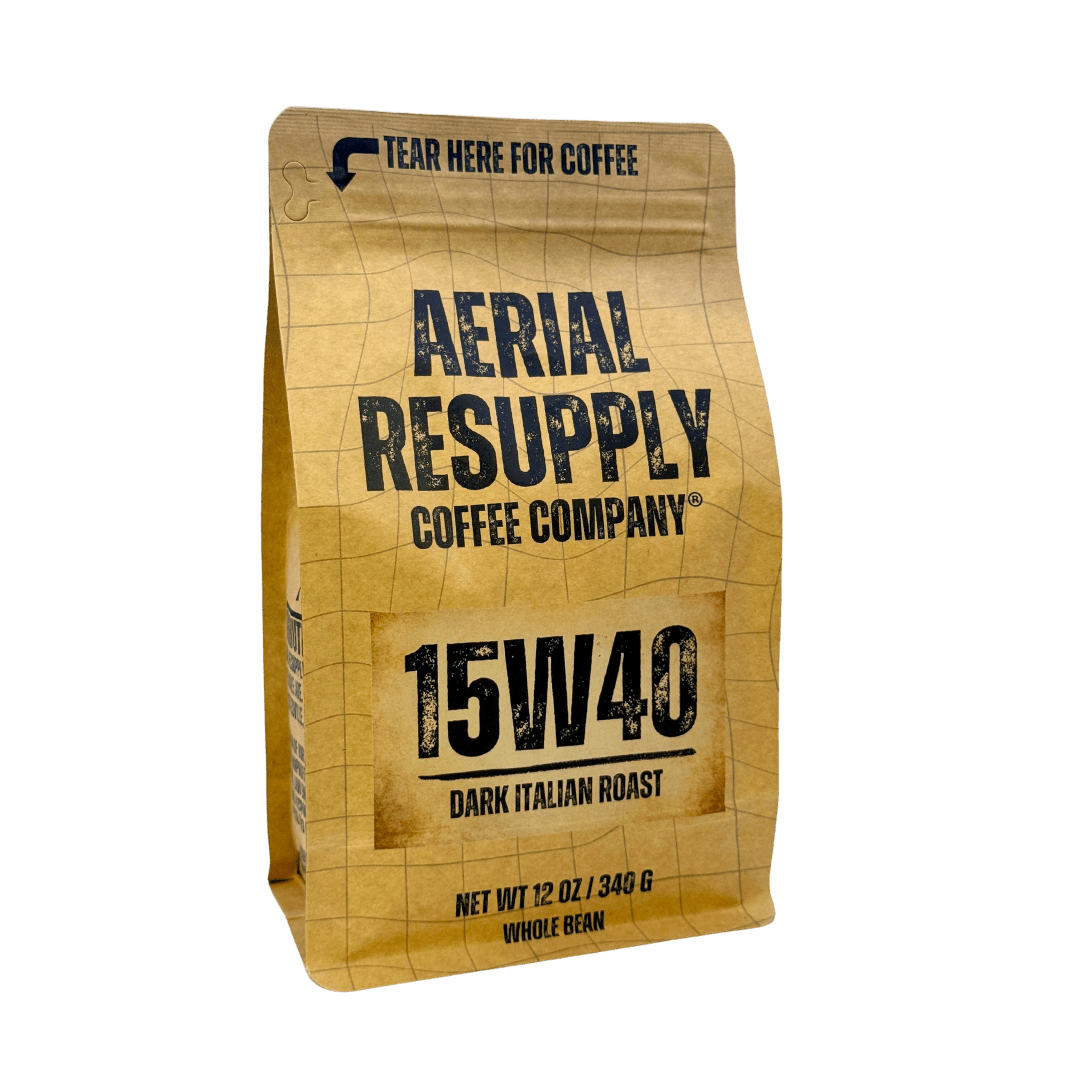
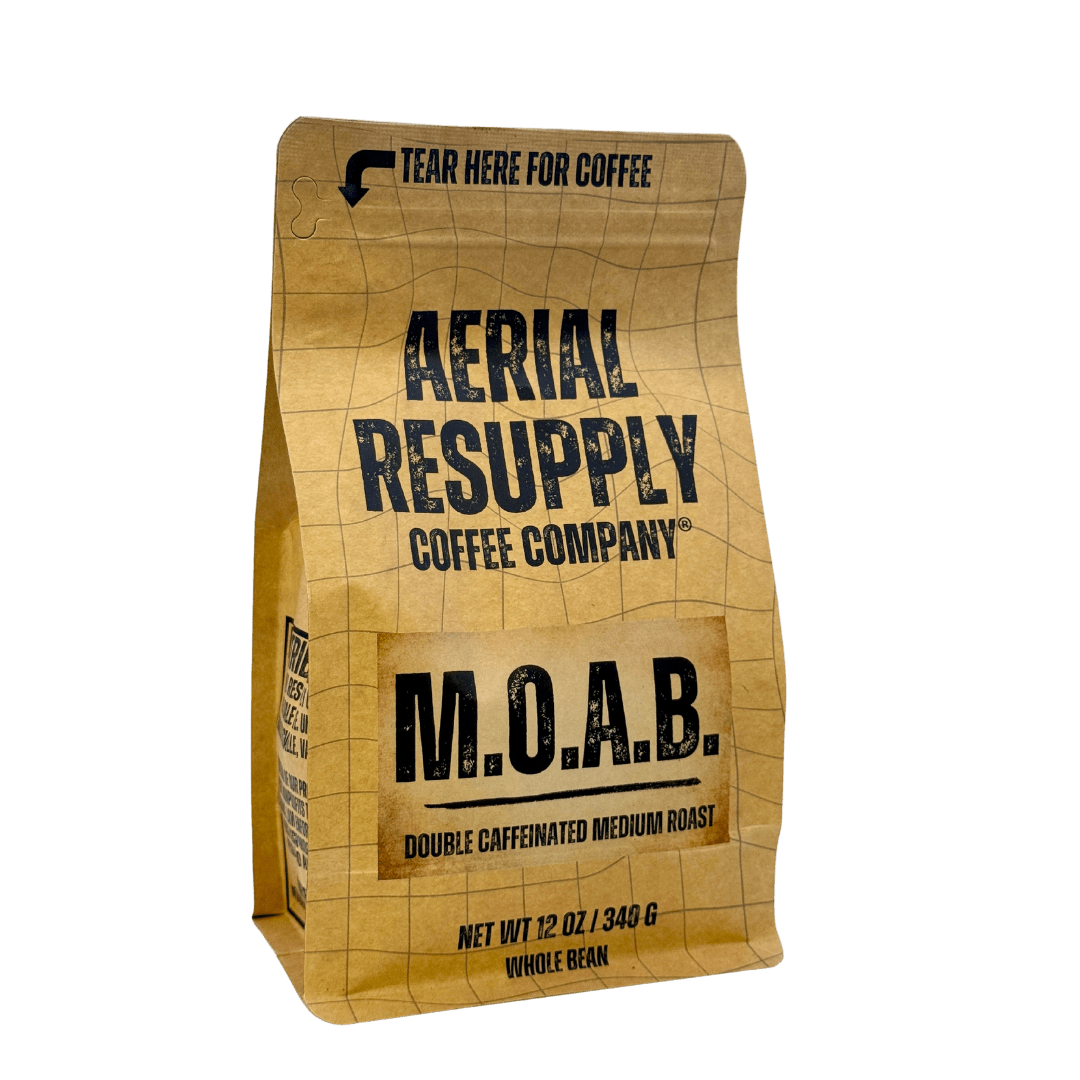
The lineup: Firewatch (Colombian medium), 15W40 (dark Italian), Spectre (dark espresso), MOAB (double-caffeinated Robusta for when coffee isn't cutting it), Lifeline (light roast), Hercules (blonde). Plus K-cups, bundles, flavored roasts, and a subscription that puts $1 per order toward Service Dogs of Virginia.
Best for: Anyone who wants their coffee money to go directly to a veteran, not a shareholder.
Shop ARC Coffee → Start a Subscription →Black Rifle Coffee Company
Salt Lake City, UT — Founded by Evan Hafer, U.S. Army Special Forces (Ret.)
Credit where it's due. BRCC got there first. Evan Hafer built something from nothing, created a category, and proved that veterans could compete at scale in the consumer coffee market. That is genuinely impressive and worth saying out loud.
The coffee is solid. The branding is sharp. They have more SKUs, more retail placement, and more name recognition than any other veteran coffee brand in existence. If you walk into a gas station and see a veteran coffee brand on the shelf, it's probably theirs.
Here's what changed.
In 2022, BRCC went public on the NYSE. The company is now answerable to shareholders, quarterly earnings reports, and Wall Street analysts — not to the veteran community. Their own SEC filings show DTC revenue dropped 14% in 2024 and another 15% in Q1 2025. Wholesale now makes up the majority of their revenue. The company that built its identity on being the anti-corporate veteran brand is now a publicly traded corporation.
None of that makes the coffee bad. It makes the brand something different than what it started as. You're allowed to have feelings about that.
Best for: Brand recognition, wide retail availability, large variety.
Worth knowing: Publicly traded. No longer qualifies as a veteran-owned small business under SBA definitions.
Fire Department Coffee
Rockford, IL — Founded by veterans and firefighters
Fire Department Coffee is the real deal. Founded by veterans and active firefighters, they roast in-house and put their mission front and center — supporting injured and ill first responders through the Fire Department Coffee Foundation.
The coffee punches. Bold, straightforward roasts that don't mess around. The branding leans hard into firefighter culture, which makes sense given who built it. If you're a first responder or you want your purchase to support that community specifically, this is your brand.
They've built something with staying power. Consistent product, clear mission, and a customer base that genuinely believes in what they're buying. That's not easy to build and it's worth acknowledging.
Best for: First responders, firefighter families, buyers who want mission-driven coffee with a cause they can see.
Side by Side
| Brand | Veteran-Owned? | Small Batch? | Roast to Order? | Subscription? |
|---|---|---|---|---|
| Aerial Resupply Coffee | ✅ SDVOSB | ✅ Yes | ✅ Yes | ✅ Yes |
| Black Rifle Coffee | ⚠️ Publicly traded | ❌ No | ❌ No | ✅ Yes |
| Fire Department Coffee | ✅ Yes | ✅ Yes | ❌ No | ✅ Yes |
The Bottom Line
All three brands on this list were built by people who served. All three make coffee worth drinking. None of them are scams.
The difference is what you're buying beyond the bag. BRCC built the category and went public. Fire Department Coffee is mission-driven and doing it right. ARC is the one still run by the veteran who started it, roasting to order out of Charlottesville, Virginia, and putting $1 from every subscription toward Service Dogs of Virginia.
Your call.
About the Author
Mike Klemmer is the founder of Aerial Resupply Coffee. After 20 years as an Army logistics officer — including deployments to Iraq and Afghanistan — he launched ARC to build a veteran-authentic coffee brand that competes on quality, not just camo. He drinks his coffee black. He roasts it weekly. He answers his own emails.