
Why Is Coffee So Bitter? A Roaster's Honest Breakdown
I am Aerial Resupply Coffeewho now roasts coffee for a living. Bitterness is the complaint I hear most, and nine times out of ten it is not the bean's fault. Here is what is actually happening in the cup, from the person standing at the roaster.
What Actually Makes Coffee Taste Bitter?
The number one cause is over-extraction. The bitter compounds in coffee come out last, so when you pull too much from the grounds you get the harsh, dry, ashy taste people call bitter.
Brewing is just water dissolving flavor out of coffee. The good stuff (sweetness, acidity, body) comes out first. The harsh stuff comes out at the end.
If your brew runs too long, too hot, or too fine, you blow past the good and drag out the bitter. Most home bitterness is a brewing problem, not a bean problem.
| Cause | Why It Happens | The Fix |
|---|---|---|
| Over-extraction | Grind too fine, water too hot, brew too long | Grind coarser, 195-205F water, shorten brew time |
| Burnt dark roast | Cheap beans roasted hard to hide quality | Buy a real dark roast, not a scorched one |
| Stale beans | Oxidized coffee loses sweetness, harshness remains | Buy whole bean and fresh, grind before brewing |
| Cheap filler | Low-grade or heavy robusta blends | Choose quality arabica or a controlled blend |
Now you know what it is. Here is whether it is worth making.
Knowing the definition is the easy half. The part that decides whether you like it is what goes in the cup underneath.
A drink built on mediocre coffee tastes like mediocre coffee with extra steps.
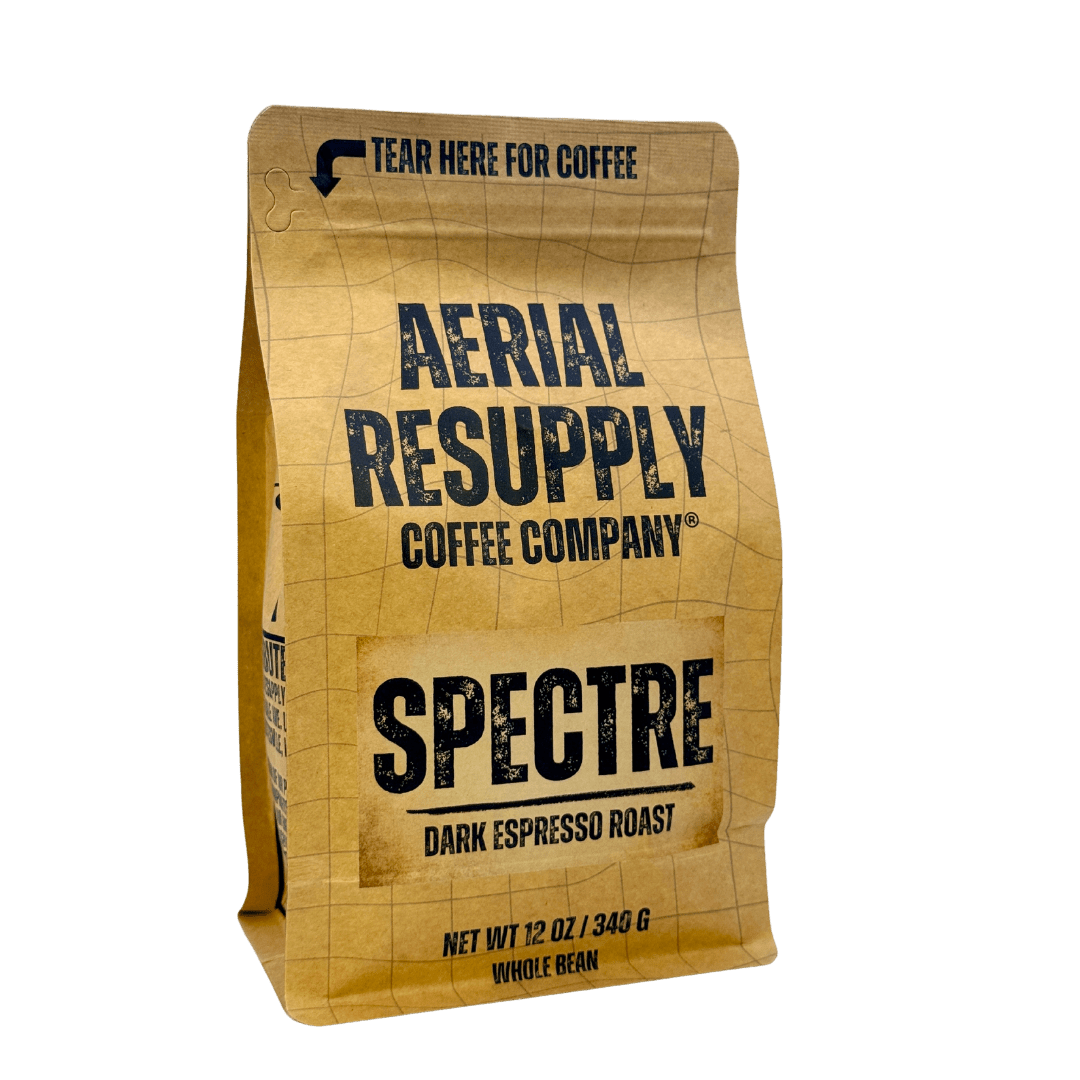
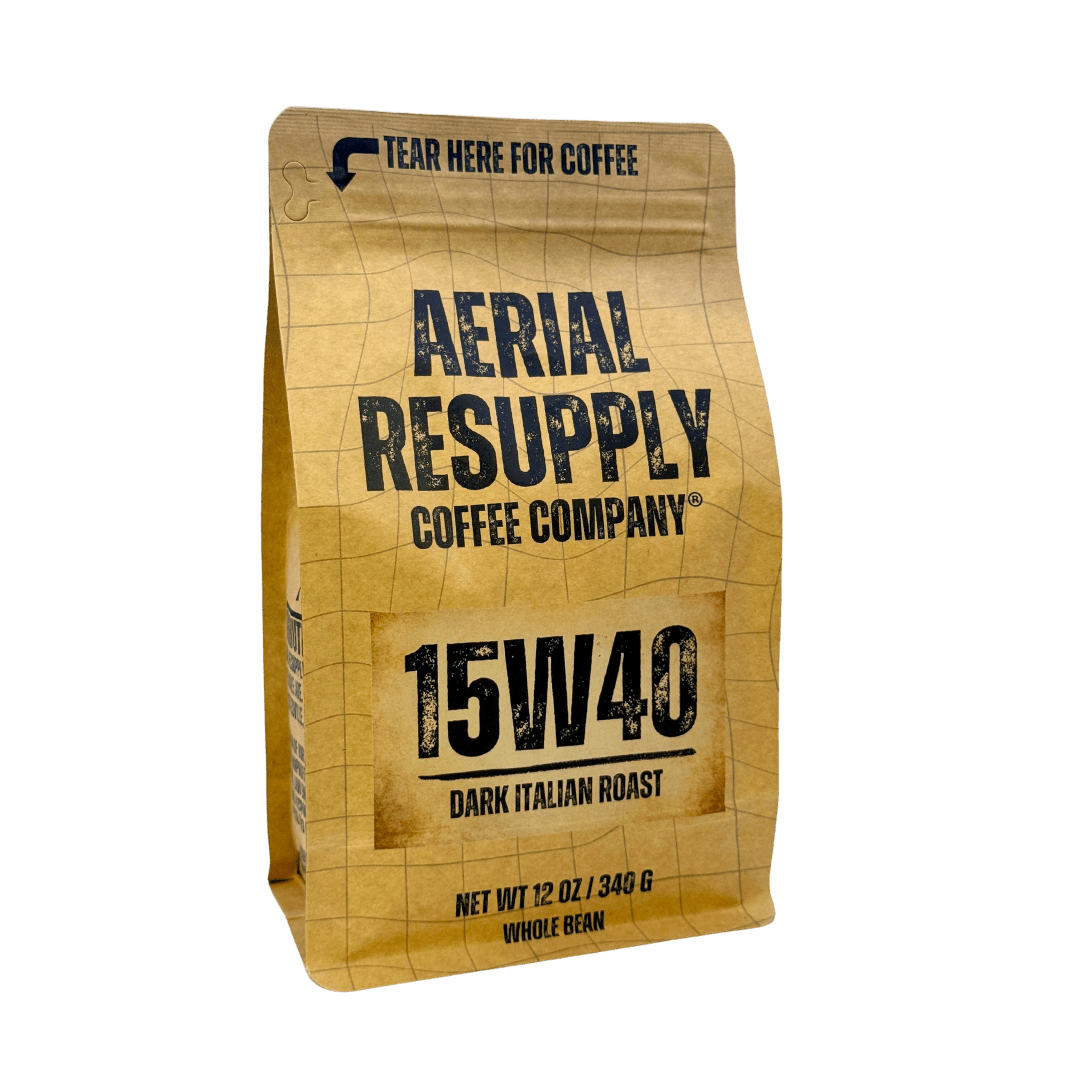
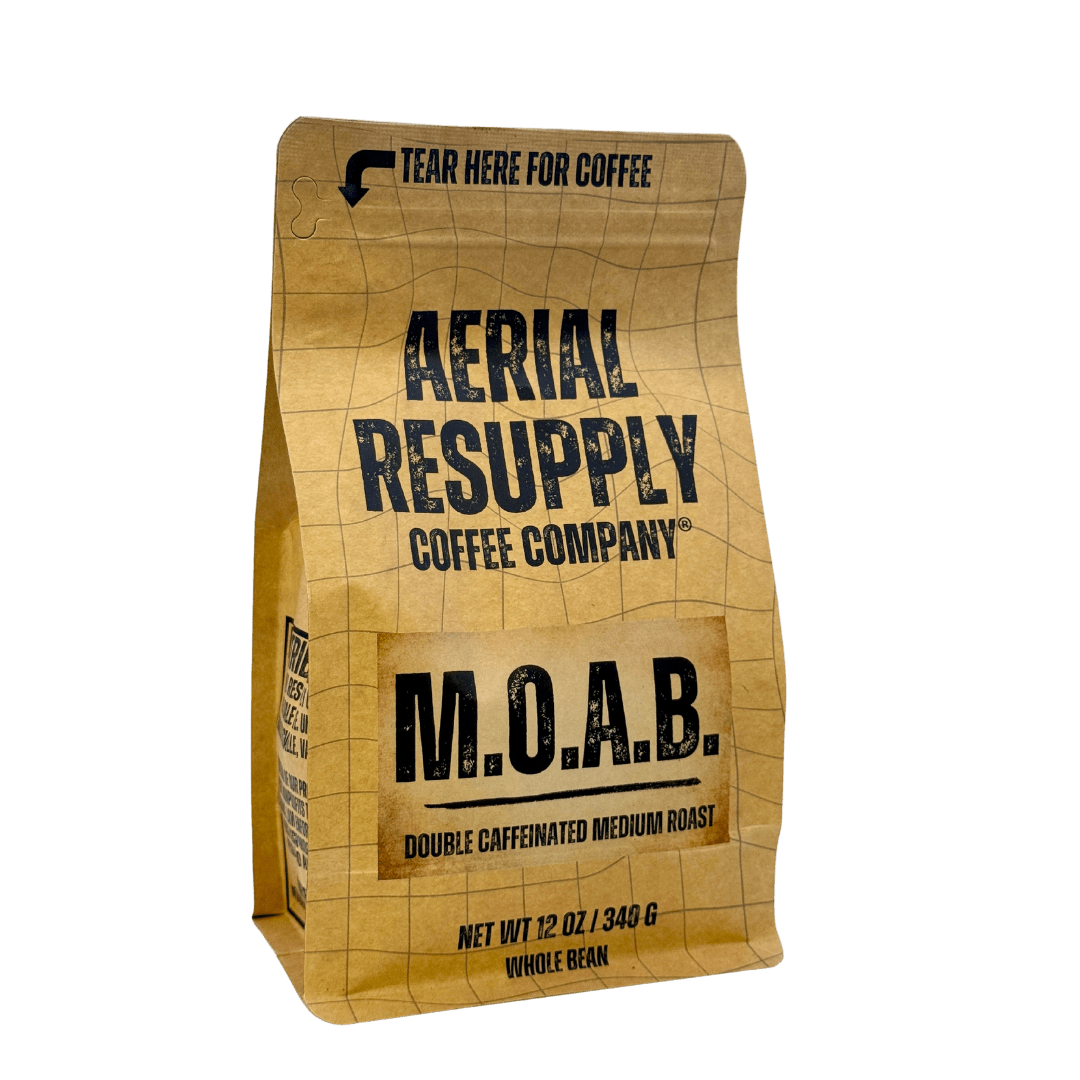
See the lineup →Does a Dark Roast Mean More Bitter Coffee?
Darker roasts do develop more bitter compounds, but a well-made dark roast manages that with the right beans and a controlled roast. Burnt and dark are not the same thing.
Cheap dark roasts are often roasted hard to hide low-grade beans. That is where the scorched, ashy bitterness comes from.
A good dark roast tastes bold and rich without the burnt edge. If a dark roast tastes like an ashtray, it was roasted to cover something up.
“I tend to favor medium roast coffee. I really liked Fire Watch. For me it hits the Goldilocks zone: not too strong, and not too weak. I found it smooth without any bitterness. I asked a friend at work to try it in the office Keurig.” , PATRICK BROSSEAU, Verified Buyer
The ratio is the recipe. The bean is the flavour.
You can follow any of these to the gram and still not enjoy it, because everything downstream of the roast is decoration.
Start with coffee you would drink black, then build on it.
Browse best sellers →Is Your Grind or Water the Real Problem?
Usually, yes. Too fine a grind, water hotter than about 205F, or steeping longer than four minutes are the three fastest ways to make any coffee bitter.
Grind coarser. Finer grounds expose more surface area and over-extract fast, especially in a French press or drip machine.
Pull your water off the boil for 30 seconds before pouring, and watch your brew time. Small changes here fix most bitter cups.
Can the Beans Themselves Be the Problem?
Yes. Low-grade beans, heavy robusta filler, and stale coffee all read as bitter no matter how carefully you brew.
Stale, oxidized coffee loses its sweetness first, so what is left tastes flat and harsh. Fresh beans give you more room for error.
Buy whole bean, buy fresh, and grind right before you brew. The fresher the coffee, the more forgiving it is of everything else.
One bag you know how to use beats five you do not.
Learn one roast properly. Then make sure you never open the cupboard and find it empty.
- Pick the roast that suits how you actually brew.
- Set it to resupply on a schedule that matches what you drink.
- Stop thinking about it. You do not hit zero again.
Frequently Asked Questions
Why is my coffee bitter all of a sudden?
Something in your routine changed: a finer grind, hotter water, a longer brew, or an older bag of beans. Bitterness that appears overnight is almost always brewing or freshness, not the coffee itself. Back your grind off one step and pull the water off the boil before you pour.
Does adding salt really fix bitter coffee?
A tiny pinch of salt can mask bitterness because sodium suppresses the perception of bitter flavors. It is a patch, not a fix. You are better off correcting the grind, water temperature, and brew time so the coffee is not over-extracted in the first place.
Is dark roast always more bitter than light roast?
Not always. Darker roasts develop more bitter compounds, but a well-roasted dark coffee can taste smooth and rich. A poorly made light roast can taste sour and sharp. Roast quality and brewing matter more than roast level alone.
Does cheaper coffee taste more bitter?
Often, yes. Lower-grade beans and heavy robusta filler carry more harsh, bitter notes, and cheap coffee is sometimes over-roasted to hide defects. Better beans give you a sweeter starting point and more forgiveness if your brewing is not perfect.
What water temperature stops coffee from getting bitter?
Aim for 195 to 205 degrees Fahrenheit. Boiling water, at 212, scorches the grounds and pulls out bitter compounds. Let a kettle sit about 30 seconds off the boil before pouring, and you will taste the difference immediately.
Good coffee should not be complicated. Neither should buying it.
Brew it. Get after it.
Whatever tomorrow asks of you, it goes better on a cup that was worth the effort.
Subscriptions take 30% off the first order automatically. No code, nothing to remember. One time orders take 15% with WELCOME15.
Shop the lineup →