
Why Does Coffee Taste Bitter? (And How to Fix It)
Bitter coffee is not a mystery. There are exactly three things that cause it, and all three are fixable. The problem is that most people blame the beans when the actual culprit is the grind, the temperature, or the roast level they chose for a brewing method it wasn't built for.
I've been roasting and dialing in extraction for years. Here's what's going wrong in your cup and how to correct it without buying new equipment.
What Actually Causes Coffee to Taste Bitter?
Bitterness in coffee comes from over-extraction. That means the water pulled too many compounds out of the grounds. including the ones that taste harsh and medicinal. Under-extraction produces sourness. Over-extraction produces bitterness. The target is the range in between.
Three variables control where you land on that range: water temperature, grind size, and roast level. Get one wrong and you tip into over-extraction. Get two wrong and the cup is undrinkable.
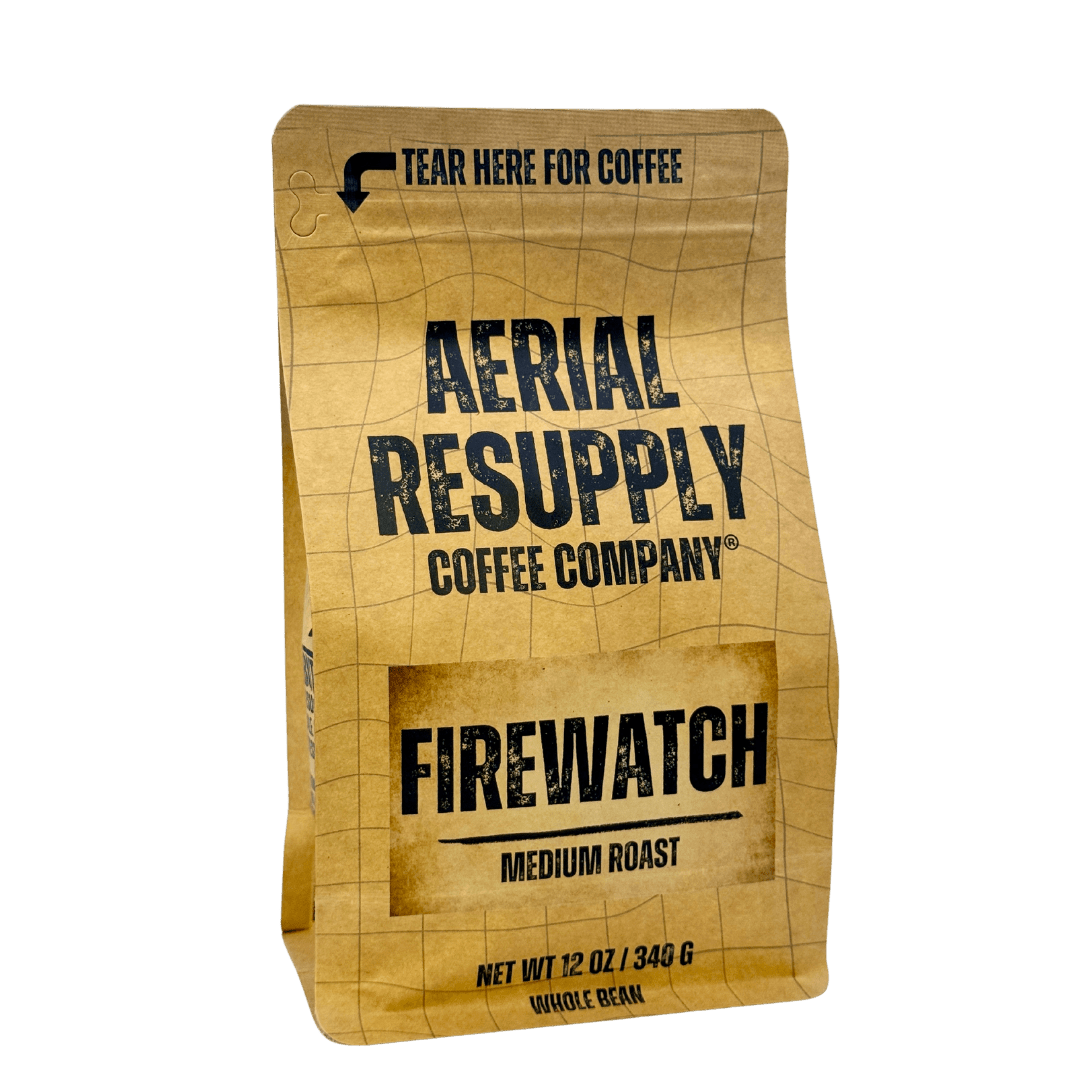
Fire Watch is the Colombian medium roast most people start with, and it works in almost anything you own.
The fix is almost always adjusting one of those three variables. You don't need a new coffee maker. You don't need expensive beans. You need to identify which dial is off and turn it the right direction.
Does Water Temperature Really Make That Big a Difference?
Yes. It's probably the most underestimated variable in home brewing. The ideal range is 195 to 205 degrees Fahrenheit. Water that's hotter than that scorches the grounds and extracts bitter compounds faster than the good ones can form. Most people pour from a kettle that just boiled. that's 212 degrees, which is out of range.
The simplest fix: let the kettle sit off heat for 30 to 45 seconds before you pour. That drops you into the correct range without a thermometer. If you use a drip machine, check whether it reaches temperature correctly. budget machines often run too hot or too cool, and either produces a bad cup.
Boiling water is not better. It's faster, but faster extraction is not the goal. Controlled extraction is the goal.
Now you know what it is. Here is whether it is worth making.
Knowing the definition is the easy half. The part that decides whether you like it is what goes in the cup underneath.
A drink built on mediocre coffee tastes like mediocre coffee with extra steps.
See the lineup →How Does Grind Size Affect Bitterness?
A finer grind increases the surface area exposed to water. More surface area means faster extraction. Faster extraction means you hit the bitter compounds before the brewing process is done. If you're grinding too fine for your brew method, bitterness is the predictable result.
The general rule: coarser grind for longer brew times, finer grind for shorter ones. French press needs a coarse grind because the grounds sit in contact with water for several minutes. Espresso needs a fine grind because the shot pulls in 25 to 30 seconds. Put a French press grind in an espresso machine and you get a watery shot. Put an espresso grind in a French press and you get a bitter mess.
Pre-ground commodity coffee is ground to a middle-of-the-road setting that's optimized for nothing. It's a compromise that serves no brewing method particularly well. Grinding fresh to the correct setting for your method is the single highest-leverage change most people can make.
Why Does Dark Roast Taste More Bitter?
Dark roasts are roasted longer and at higher temperatures. The longer roast breaks down more sugars and develops more bitter-tasting compounds in the bean itself. So before water ever touches the grounds, dark roast starts with a higher baseline bitterness than medium or light roast. That's not a flaw. it's the flavor profile people who drink dark roast are after.
The problem is that dark roast has a narrower extraction window. The line between "bold and rich" and "harsh and burnt" is thinner than it is with medium roast. Small errors in temperature or grind size get amplified. That's why a dark roast brewed badly tastes significantly worse than a medium roast brewed badly.
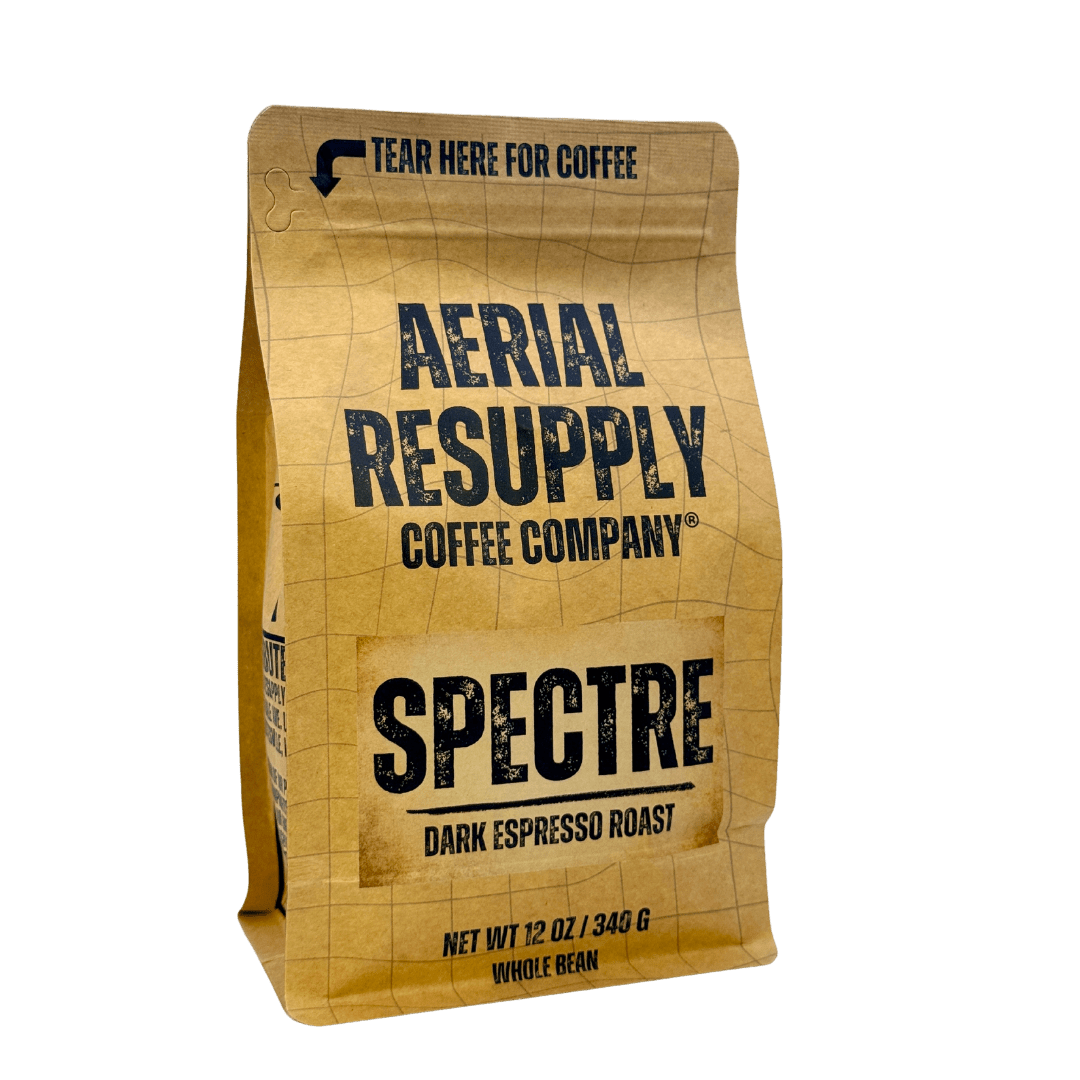
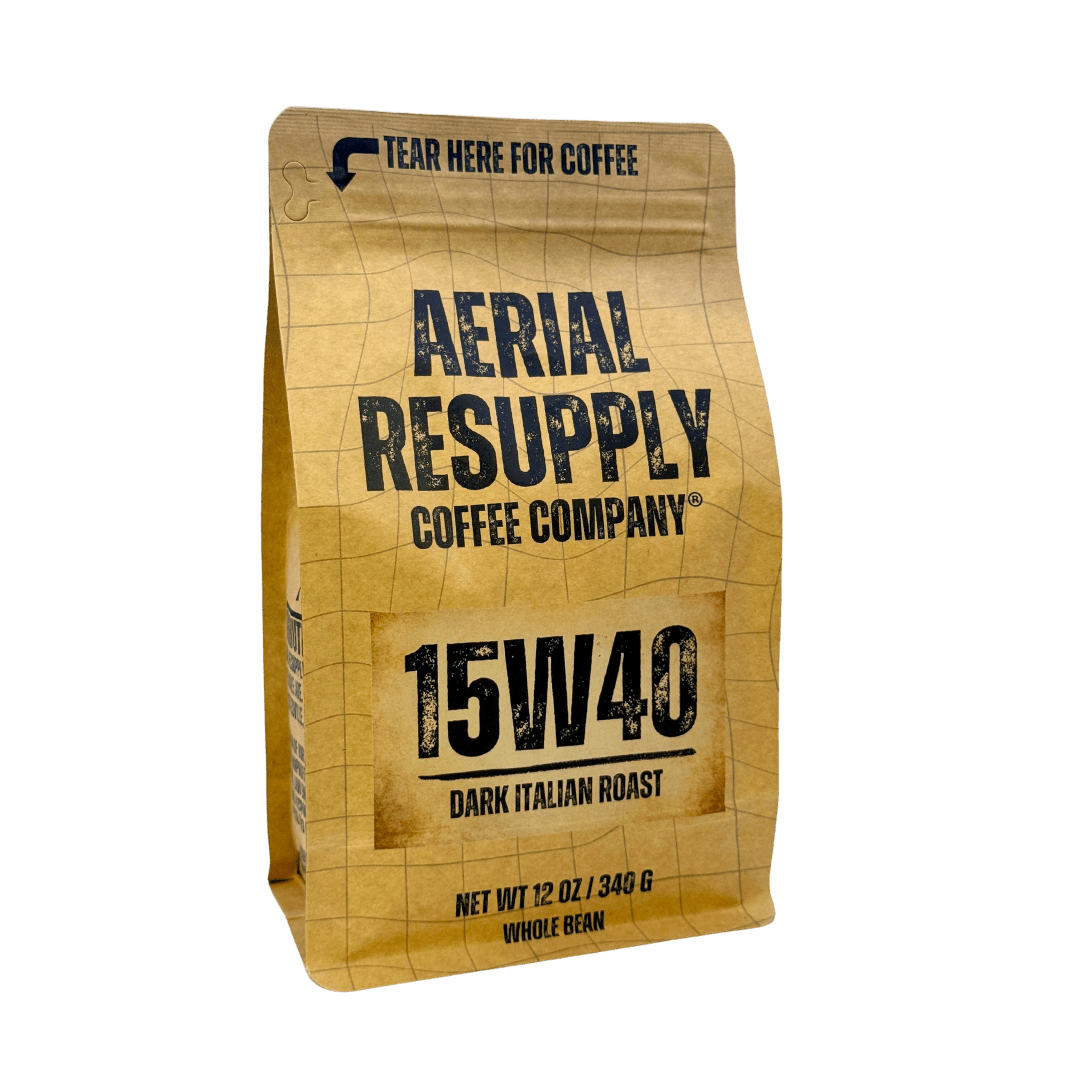
If you're drinking a dark roast that's consistently bitter no matter what you try, the issue might simply be roast quality. Mass-market dark roasts are often roasted past the point of flavor into char. The bitterness is baked in and can't be brewed out.
The ratio is the recipe. The bean is the flavour.
You can follow any of these to the gram and still not enjoy it, because everything downstream of the roast is decoration.
Start with coffee you would drink black, then build on it.
Browse best sellers →What's the Difference Between Bitter and Sour Coffee?
They're opposites. Sour coffee is under-extracted. the water didn't pull enough from the grounds. Bitter coffee is over-extracted. the water pulled too much. You fix them in opposite directions.
If your coffee tastes sour or sharp, grind finer, brew hotter, or brew longer. If it tastes bitter or harsh, grind coarser, brew cooler, or shorten the contact time. Knowing which problem you have tells you exactly which direction to adjust.
The easiest way to tell them apart: sourness hits the front and sides of your tongue fast. Bitterness settles at the back of your throat and lingers. If the bad taste disappears quickly, it's sour. If it hangs around, it's bitter.
Bitter Coffee Causes and Fixes at a Glance
| Cause | What's Happening | Fix |
|---|---|---|
| Wrong Roast | Dark roast roasted past flavor into char; bitter compounds baked in before brewing starts | Switch to a quality medium roast with a wide extraction window, or a dark roast that hasn't been over-roasted |
| Wrong Grind (Too Fine) | Too much surface area accelerates extraction; water pulls bitter compounds before brewing finishes | Coarsen the grind one step at a time until the bitter edge disappears |
| Water Too Hot | Temps above 205°F scorch grounds and fast-track bitter compound extraction | Let boiling water rest 30–45 seconds off heat before pouring; target 195–205°F |
| Low-Quality Beans | Commodity coffee blends use low-grade robusta beans with high natural bitterness; no technique fully corrects this | Source single-origin or small-batch roasted beans; the fix here is buying better coffee |
| Stale Pre-Ground Coffee | Oxidation after grinding accelerates degradation of flavor compounds; stale coffee over-extracts more easily | Grind fresh immediately before brewing; pre-ground coffee sitting in a bag for weeks is past its window |
| Over-Steep (French Press / Cold Brew) | Extended contact time between grounds and water past the optimal window pulls harsh compounds | Plunge French press at 4 minutes; cold brew concentrate at 12–14 hours, not 24+ |
One bag you know how to use beats five you do not.
Learn one roast properly. Then make sure you never open the cupboard and find it empty.
- Pick the roast that suits how you actually brew.
- Set it to resupply on a schedule that matches what you drink.
- Stop thinking about it. You do not hit zero again.
Does the Coffee Maker Matter?
It matters less than technique, but it's not irrelevant. Budget drip machines often fail to reach or hold the correct temperature range. They also tend to have uneven water distribution, which means some grounds over-extract while others under-extract. The result is a cup that's simultaneously bitter and flat.
A gooseneck kettle and a pour-over setup give you direct control over temperature and flow rate. That control is what lets you dial in extraction precisely. It's not about the equipment being expensive. it's about having variables you can actually adjust.
That said, if your machine brews at the right temperature and you're grinding correctly, a mid-range drip machine will make a good cup. Equipment is not a substitute for getting the fundamentals right.
What Roast Is Least Likely to Taste Bitter?
Medium roast. It has the widest extraction window, meaning it tolerates more variation in temperature, grind, and brew time before it tips into over-extraction. A medium roast brewed slightly off still produces a drinkable cup. A dark roast brewed slightly off tastes like the inside of a fire pit.
Colombian medium roasts in particular tend to have natural fruit and caramel sweetness that pushes back against bitterness even when conditions aren't perfect. The acidity is moderate, the body is balanced, and the margin for error is wide. For people who've been fighting their coffee for years and can't figure out what's wrong, starting with a quality medium roast often solves the problem before they've changed anything else.
Brew it. Get after it.
Whatever tomorrow asks of you, it goes better on a cup that was worth the effort.
Subscriptions take 30% off the first order automatically. No code, nothing to remember. One time orders take 15% with WELCOME15.
Shop the lineup →Frequently Asked Questions About Bitter Coffee
Why does my coffee taste bitter even when I use good beans?
Good beans brewed incorrectly still produce bitter coffee. The most common culprits are water that's too hot, a grind that's too fine for your brew method, or contact time that's too long. Check your water temperature first. most people are brewing hotter than they realize. If you're using a stovetop kettle, let it rest off heat for 30 to 45 seconds before you pour. That single change fixes more bitter cups than any other adjustment.
Is bitter coffee the same as strong coffee?
No. Strength refers to the concentration of coffee in your cup. more grounds to less water makes stronger coffee. Bitterness is a flavor defect caused by over-extraction. Strong coffee can taste rich and full without any bitterness. Bitter coffee is often watery because the problem is extraction quality, not volume. They are separate variables and one does not cause the other.
Does dark roast always taste bitter?
Not necessarily, but it's more susceptible. Dark roast develops more bitter compounds during roasting and has a narrower margin for brewing errors. A quality dark roast, properly roasted and correctly brewed, can taste bold and smooth with no harsh edge. The issue is that most mass-market dark roasts are roasted past the flavor window into char. If your dark roast is consistently bitter regardless of technique, the roast quality itself is the problem.
Can I fix bitter coffee after it's already brewed?
A small pinch of salt in the cup neutralizes some bitterness by blocking specific taste receptors on your tongue. It's a real trick and it works. A splash of cold water also dilutes the bitter compounds. Neither fixes the underlying extraction problem, but both make a badly brewed cup more drinkable while you work out the correct settings. For the next cup, adjust grind coarser or water temperature lower. don't try to correct technique in the cup.
How do I know if my coffee is over-extracted or under-extracted?
Taste where the bad flavor lands. Bitterness that settles at the back of your throat and lingers is over-extraction. Sourness or sharp acidity that hits the front of your tongue and fades quickly is under-extraction. Over-extracted coffee also tends to feel dry or astringent. Under-extracted coffee tastes thin. A well-extracted cup has flavor that starts clean and develops through the finish without going harsh or acidic.
If your coffee tastes like a penalty, that's information. Use it. Start with better beans and the right roast, and the problem usually solves itself.
First subscription order ships at 30% off with code FLY30.