
Whole Bean vs Ground Coffee: A Roaster's Honest Answer on Which One You Should Buy
Whole bean coffee stays fresh longer and tastes better when you grind it right before brewing. But if you do not own a burr grinder, or you finish a bag in two weeks, ground coffee is the smarter buy.
Coffee people will fight you on that second sentence. They are wrong about half the time, and here is why.
Burr grinder at home? Buy whole bean. Anything else? Buy ground, in smaller amounts, more often.
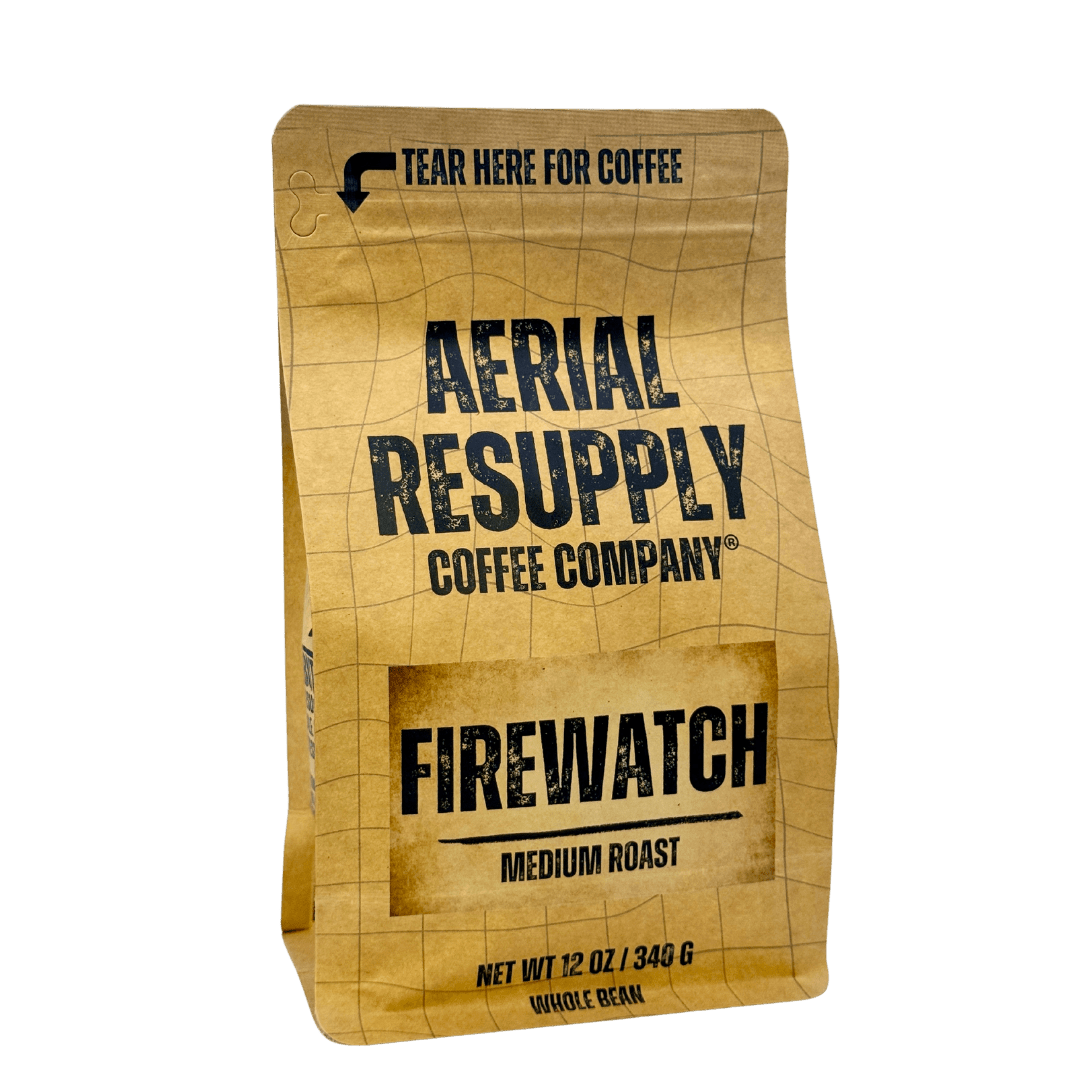
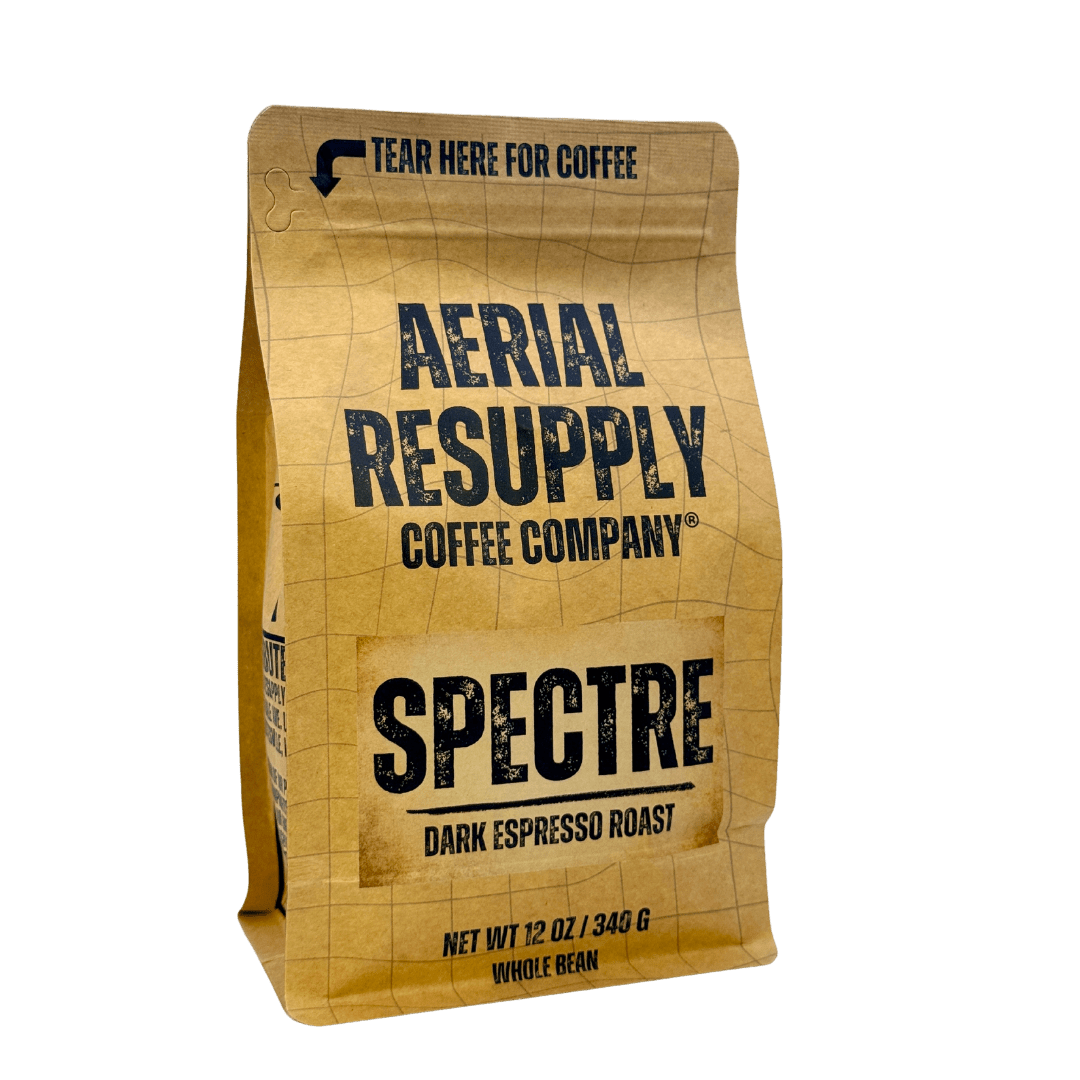
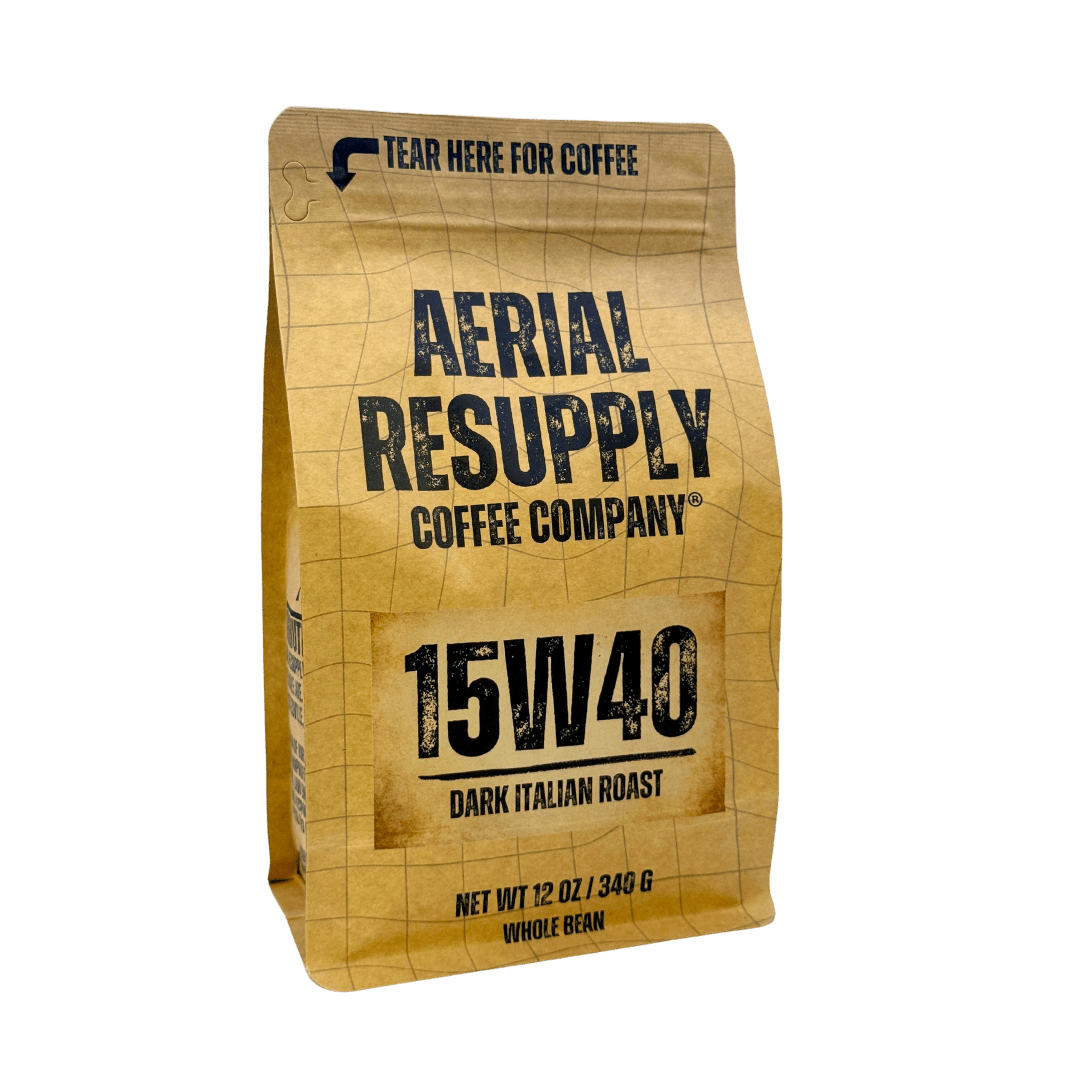
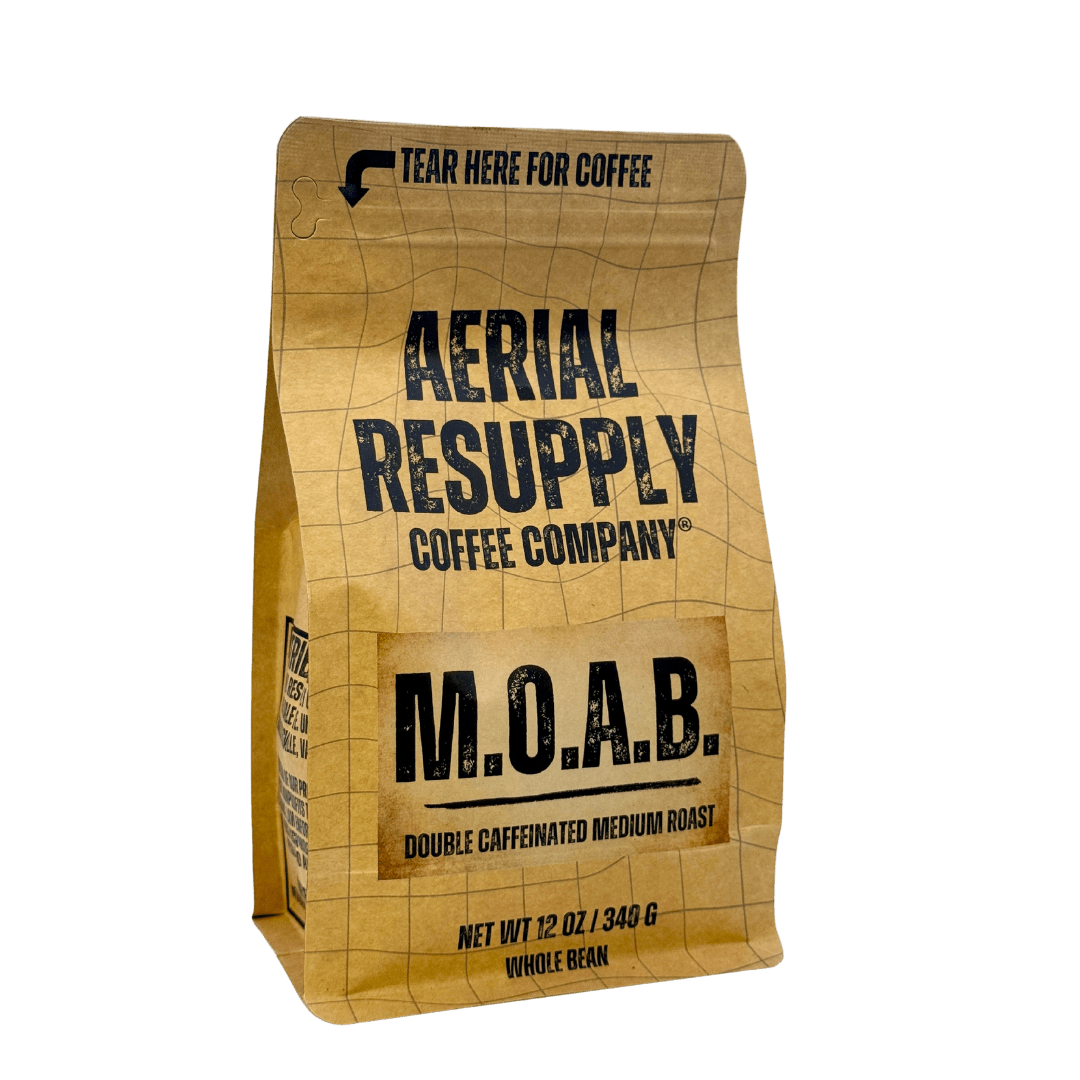
Every roast we make comes both ways at the same price, $16.99 for 12 ounces. Most people should start with Fire Watch, our smooth Colombian medium. The trick with ground is to never let a bag sit, which is exactly what a subscription is for.
Shop Fire WatchSee every roastSubscribe and your first order is 30% off automatically. No code. Every delivery after that is 15% off, and you can change or cancel anytime.
Is whole bean coffee actually better than ground?
Yes, on freshness. Grinding exposes a massive amount of surface area to air, and the aromatics that make coffee smell and taste alive start leaving right away. Whole beans hold onto them for weeks. Ground coffee starts fading within days of opening the bag.
But freshness is only half of it. The other half is how evenly the coffee is ground, and that is where a lot of whole bean buyers lose.
| Whole bean | Ground | |
|---|---|---|
| Stays fresh after opening | About 3 to 4 weeks | About 1 to 2 weeks |
| Flavor at its best | Better, if ground evenly | Very good, if used quickly |
| Needs a grinder | Yes, ideally a burr grinder | No |
| Morning effort | An extra minute | Scoop and go |
| Lets you change grind | Yes, any brewer | Locked in |
| Best for | French press, espresso, pour over, slow drinkers | Drip machines, busy mornings, fast drinkers |
Why a cheap blade grinder can make whole bean worse
A blade grinder does not grind. It smashes. You end up with dust and boulders in the same scoop, and the dust over-extracts (bitter) while the chunks under-extract (sour). That cup can easily taste worse than evenly ground coffee from a roaster.
So the honest ranking is: whole bean with a burr grinder beats fresh ground coffee, and fresh ground coffee beats whole bean chopped in a blade grinder.
Should you buy whole bean or ground coffee?
- You have a burr grinder: whole bean, every time.
- You brew French press or cold brew: whole bean if you can. Those need a coarse grind, and you control that.
- You use a regular drip machine and drink a pot a day: ground. You will finish the bag before it fades.
- You drink one cup a day: whole bean, or ground bought in smaller amounts more often.
- You buy the 5 pound bag: whole bean, and freeze most of it. Here is how to store coffee so it stays fresh.
What grind size do you need for your brewer?
| Brewer | Grind | Looks like |
|---|---|---|
| Cold brew | Extra coarse | Peppercorns |
| French press | Coarse | Sea salt |
| Drip machine | Medium | Beach sand |
| Pour over | Medium-fine | Table salt |
| AeroPress | Fine to medium-fine | Fine sand |
| Moka pot | Fine | Just coarser than espresso |
| Espresso | Very fine | Powdered sugar, almost |
If your brewer lives at either end of that chart, whole bean gives you the control you need.
How do you keep ground coffee from going stale?
Stop buying more than you drink in two weeks. That is the whole secret. A giant can of pre-ground coffee is stale by the time you are halfway down it, which is why grocery store coffee tastes flat by week three. More on that here.
The fix is a delivery schedule that matches how fast you drink. Ground coffee on a 2 or 4 week schedule means every bag gets used while it still tastes like something.
Pick your roast, pick your grind, set the schedule
Every roast comes whole bean or ground. Choose every 2, 4, or 8 weeks, get 30% off your first subscription order automatically, and 15% off every one after. Not sure which roast? The Loadout sampler is six roasts for $8.99, whole bean or ground.
Subscribe to Fire WatchFind your roastQuestions people ask
Is whole bean coffee better than ground?
Whole bean stays fresh longer and tastes better when ground evenly right before brewing. Without a burr grinder, fresh ground coffee from a roaster often tastes better than whole beans chopped in a blade grinder.
How long does ground coffee stay fresh?
Ground coffee tastes best within about one to two weeks of opening the bag. Whole beans last about three to four weeks after opening. Keep either one sealed, dark, and at room temperature.
Does whole bean coffee have more caffeine than ground?
No. The caffeine is the same. Grinding changes how fast flavor and caffeine extract during brewing, not how much caffeine the coffee contains.
Is whole bean coffee cheaper than ground?
Usually the price is the same. Aerial Resupply Coffee sells every roast whole bean or ground at the same price, $16.99 for a 12 ounce bag.
Should I buy whole bean or ground for a drip coffee maker?
Ground is fine for a drip machine as long as you finish the bag within about two weeks. If you own a burr grinder or drink slowly, whole bean will taste fresher.