Top 10 Military Smells (That You Can Instantly Identify)
There are smells that follow you for life.
Not in a traumatic way. Not even in a bad way all the time.
But in a “one whiff and you’re back there” kind of way.
You can be sitting in a Target parking lot, minding your own business, and suddenly catch something in the air that rewires your brain. You’re no longer a civilian with errands. You’re twenty-something again, tired, caffeinated, annoyed, and oddly content.
The military trains you to recognize sounds, movements, and procedures. But smells? Smells are the real memory trigger.
Here are the Top 10 Military Smells that anyone who’s served can instantly identify — and probably explain in way too much detail.

1. Burn Pit / Trash Smoke
This one doesn’t need an introduction. It needs a warning label.
Burn pit smoke isn’t just smoke. It’s a greatest hits album of bad decisions:
- Plastic
- Food waste
- Cardboard
- Mystery fluids
- Something rubbery that should not be burning
You never see it coming. You just smell it — thick, chemical, and unmistakably wrong — and immediately know you’re downwind of someone burning trash because it was “easier.”
You don’t question it. You don’t complain. You reposition yourself and keep moving.
2. JP-8
JP-8 is the official cologne of military equipment.
Sharp. Oily. Aggressive. It sticks to gloves, uniforms, gear, and somehow your memory forever. Catch it at an airfield years later and your brain immediately runs a systems check.
3. CLP
CLP smells like maintenance, discipline, and being told to clean a weapon that’s already clean.
It’s oddly comforting — like you’re exhausted, but at least the task makes sense. It’s the smell of carbon buildup, elbow grease, and standards that don’t care about your feelings.

4. Wet Canvas
Wet canvas smells like misery with commitment.
GP Medium tents, soaked duffels, rain-logged gear — it’s the scent of waking up cold and realizing nothing you own will be dry again until the next duty station.
5. MRE Heater “Steam”
That chemical puff is unforgettable.
Metallic. Sour. Questionable. Like your food is cooking and committing a minor crime at the same time. One whiff and you know someone’s eating out of cardboard with a spoon that will snap under pressure.
6. Motor Pool Grease
Motor pool grease does not wash off. It transfers.
It lives under fingernails, stains uniforms, and spreads like a disease. That smell instantly brings you back to connexes, drip pans, and deadlines that were impossible from the start.

7. Porta-John in July
If you know, you know.
Heat, ammonia, regret, and despair sealed inside blue plastic. The smell establishes a security perimeter you do not cross without consequences.
8. Fresh Coffee at 0400
This one fixes morale.
Fresh coffee at 0400 doesn’t smell like caffeine. It smells like purpose. Like movement. Like someone gave a damn before the day went sideways.
It brings people together without conversation. You hand someone a cup and watch them come back online.
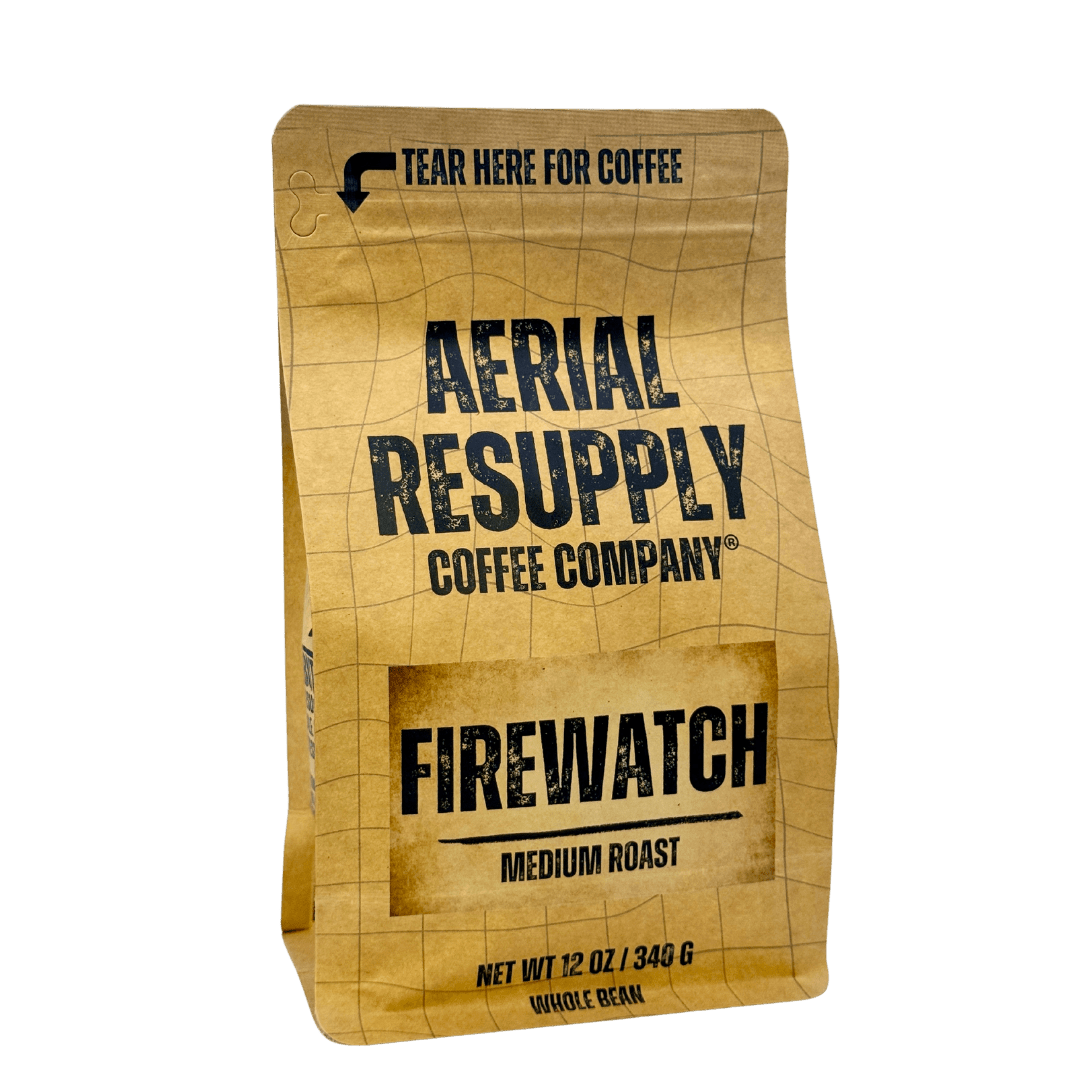
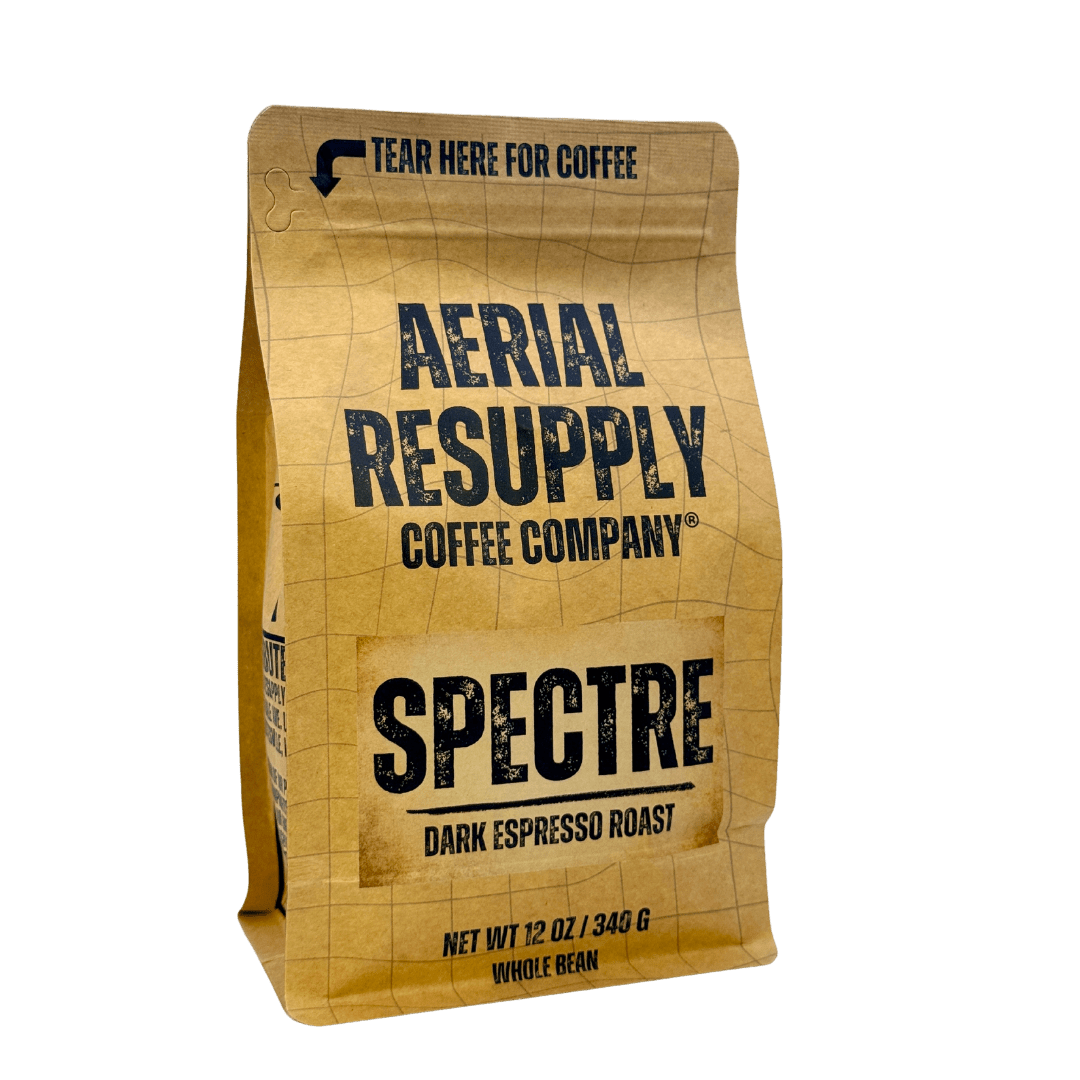
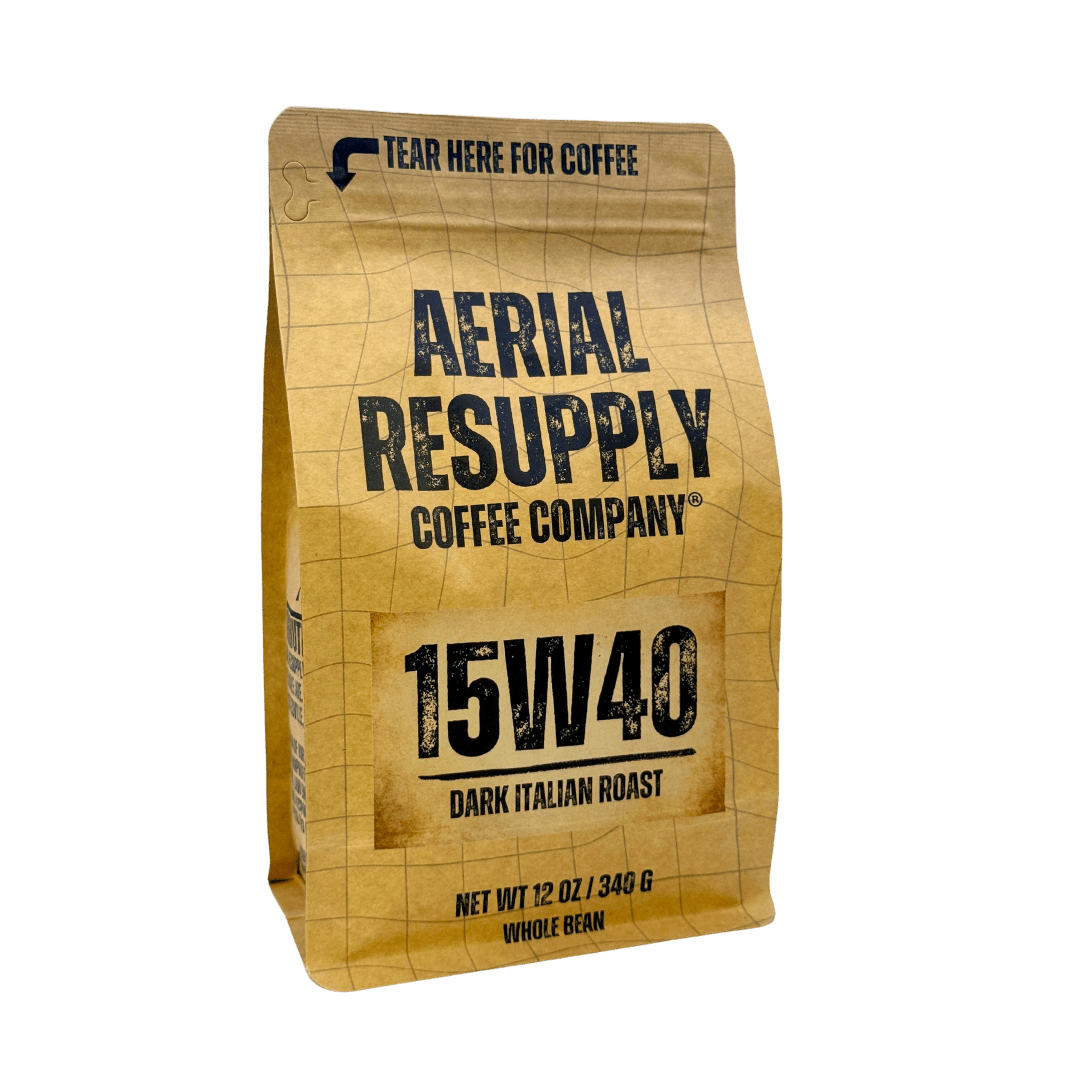
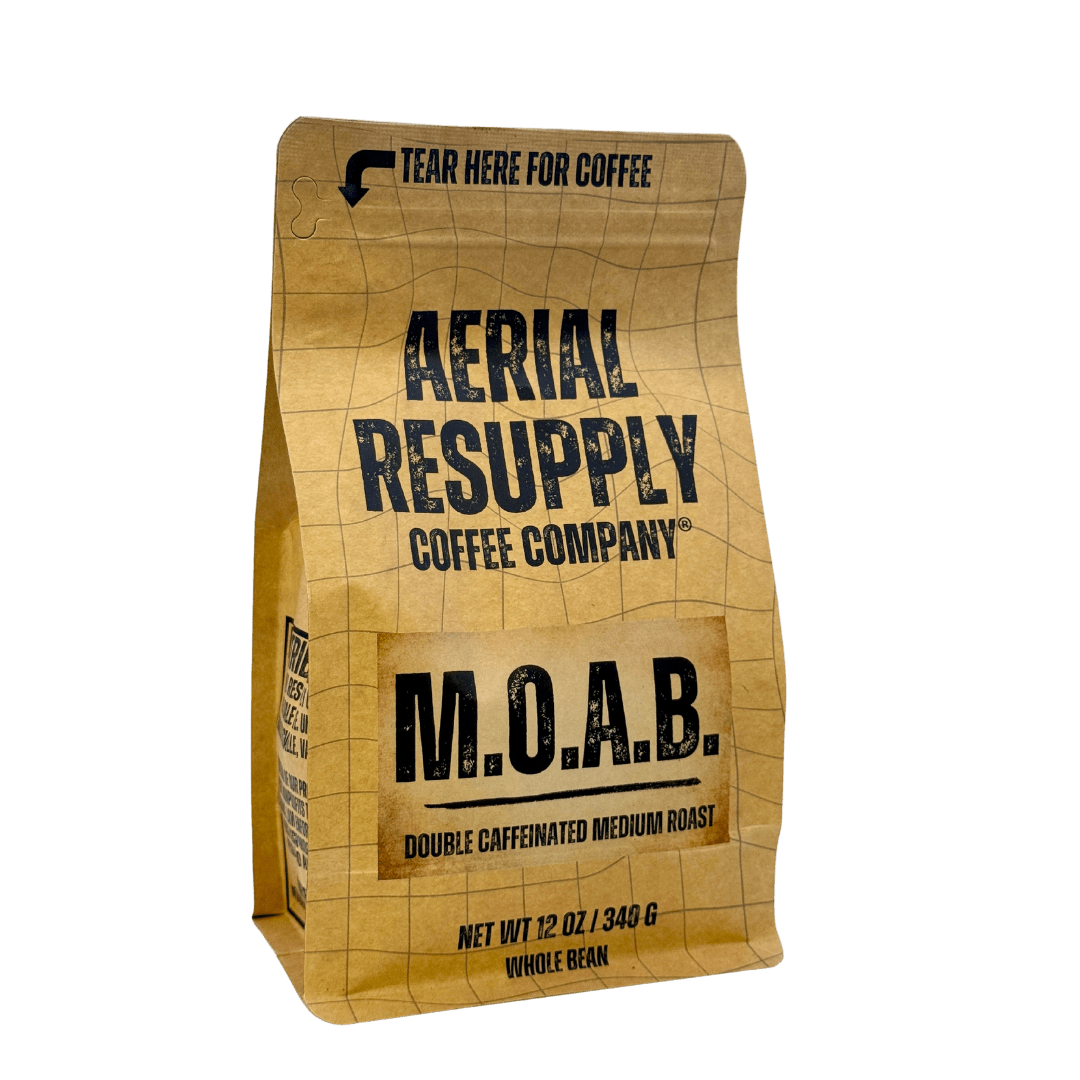
Shop veteran-roasted coffee from Aerial Resupply Coffee
9. CIF Warehouse
CIF has a smell, and it is not welcoming.
Industrial cleaner, mildew, dust, and anxiety. Fluorescent lights. Long lines. The emotional experience of being told your gear is dirty when it’s cleaner than your house.

10. Someone Else’s Boots
This is the smell that explains why rules exist.
Someone else’s boots smell like sweat, field funk, and poor life choices. It’s not just bad — it’s personal. One whiff and you immediately start questioning hygiene standards and command climate.
Why Coffee Is the One Smell That Never Turns Bad
It’s funny how the worst smells stick with you — but so do the good ones.
Fresh coffee in the early hours is tied to quiet moments, shared misery, and small acts of leadership. It’s one of the few military smells that never turns into a bad memory.
Read the Aerial Resupply Coffee story
Sound Off
What did we miss? Every veteran has one smell that instantly time-travels them. Somebody is going to say “brake cleaner,” and they won’t be wrong.