Robusta and Arabica coffee beans side by side macro comparison

Robusta vs. Arabica: What's the Actual Difference?

Robusta vs. Arabica: What's the Actual Difference?

TL;DR Arabica has better flavor: more complex, less bitter, with natural sweetness and higher acidity. Robusta has roughly double the caffeine and a harsher, more bitter taste. Specialty coffee uses Arabica. Cheap commercial blends use Robusta to cut costs. Michael Klemmer, founder of Aerial Resupply Coffee in Charlottesville, VA, uses Arabica for every blend except MOAB — which uses Robusta intentionally for maximum caffeine output.

Most people drinking coffee every day have no idea what kind of bean is in the bag. It doesn't say "Arabica" anywhere on the cheap stuff at the grocery store, and there's a reason for that. If you've ever wondered why specialty coffee tastes different from what you've been drinking for the last decade, the answer starts here.

This is a straightforward comparison. No marketing language. Just what the two species actually are, what they taste like, and why it matters when you're deciding what to put in your cup every morning.

What Is the Actual Difference Between Arabica and Robusta Coffee?

Arabica (Coffea arabica) and Robusta (Coffea canephora) are two different species of coffee plant. Arabica produces a more complex, nuanced cup with natural sweetness and higher acidity. Robusta produces a harsher, more bitter cup with significantly more caffeine. They are not interchangeable, and they are not equally priced.

Arabica plants are harder to grow. They need specific altitude ranges, controlled temperatures, and more careful agricultural management. They're also more susceptible to disease. That difficulty is reflected in the cost, and the cost is reflected in the quality of the final product.

Robusta plants are tougher. Lower altitude, higher heat tolerance, more disease-resistant. They produce more fruit per plant and cost less to bring to market. That's why they end up in cheap commercial blends and instant coffee. Not because they're better. Because they're cheaper to produce at scale.

100% Arabica

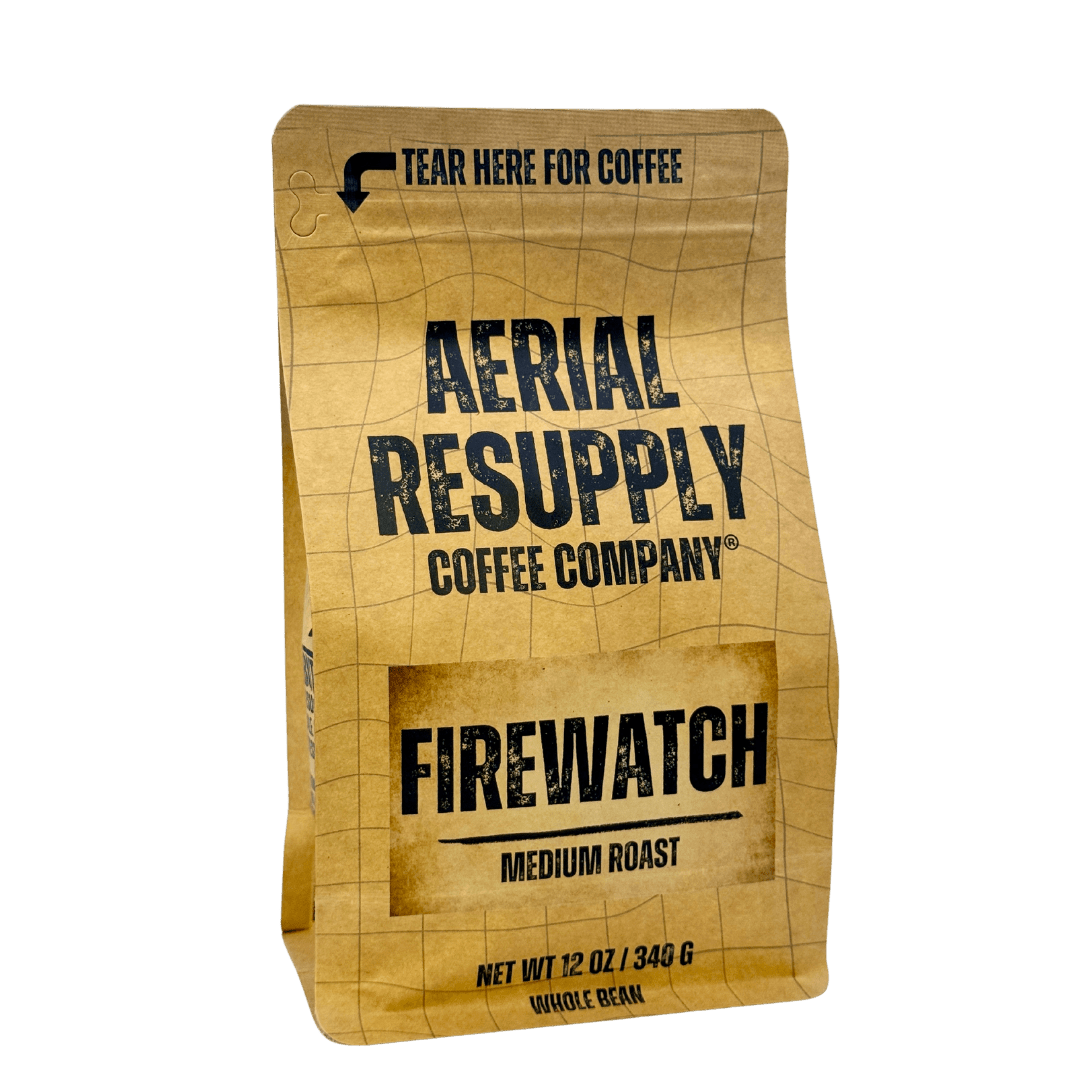
Firewatch is ARC's flagship Colombian medium roast — 100% Arabica, single-origin, roasted to order. If you've been drinking grocery store coffee and wondering why specialty coffee tastes different, this is the answer. The bean matters.

Shop Firewatch →

How Do Arabica and Robusta Compare Side by Side?

Here's the direct comparison across the variables that actually matter when you're choosing coffee.

Variable Arabica Robusta
Caffeine Content ~1.2–1.5% caffeine by dry weight ~2.2–2.7% caffeine by dry weight (roughly double)
Flavor Profile Complex, sweet, fruity or nutty notes, layered finish Harsh, bitter, earthy, rubbery aftertaste at lower grades
Acidity Higher perceived acidity — contributes to brightness and complexity Lower acidity — flatter cup, less complexity
Growing Conditions Higher altitude (600–2,000m), narrow temperature range, disease-prone Lower altitude, heat-tolerant, highly disease-resistant
Cost More expensive — harder to grow, lower yield per plant Less expensive — easier to grow, higher yield per plant
Used In Specialty coffee, single-origin, quality espresso blends Cheap commercial blends, instant coffee, some espresso for crema
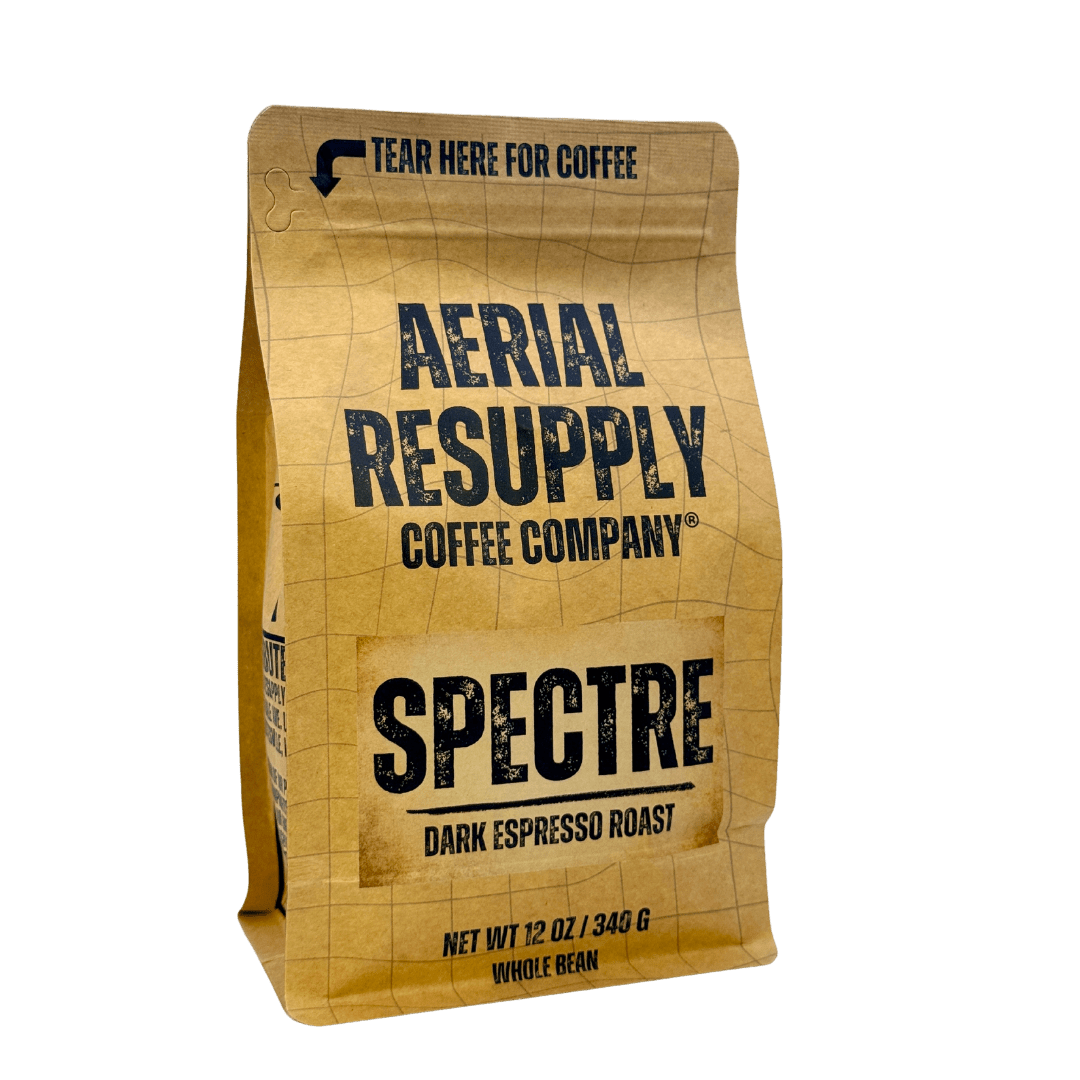
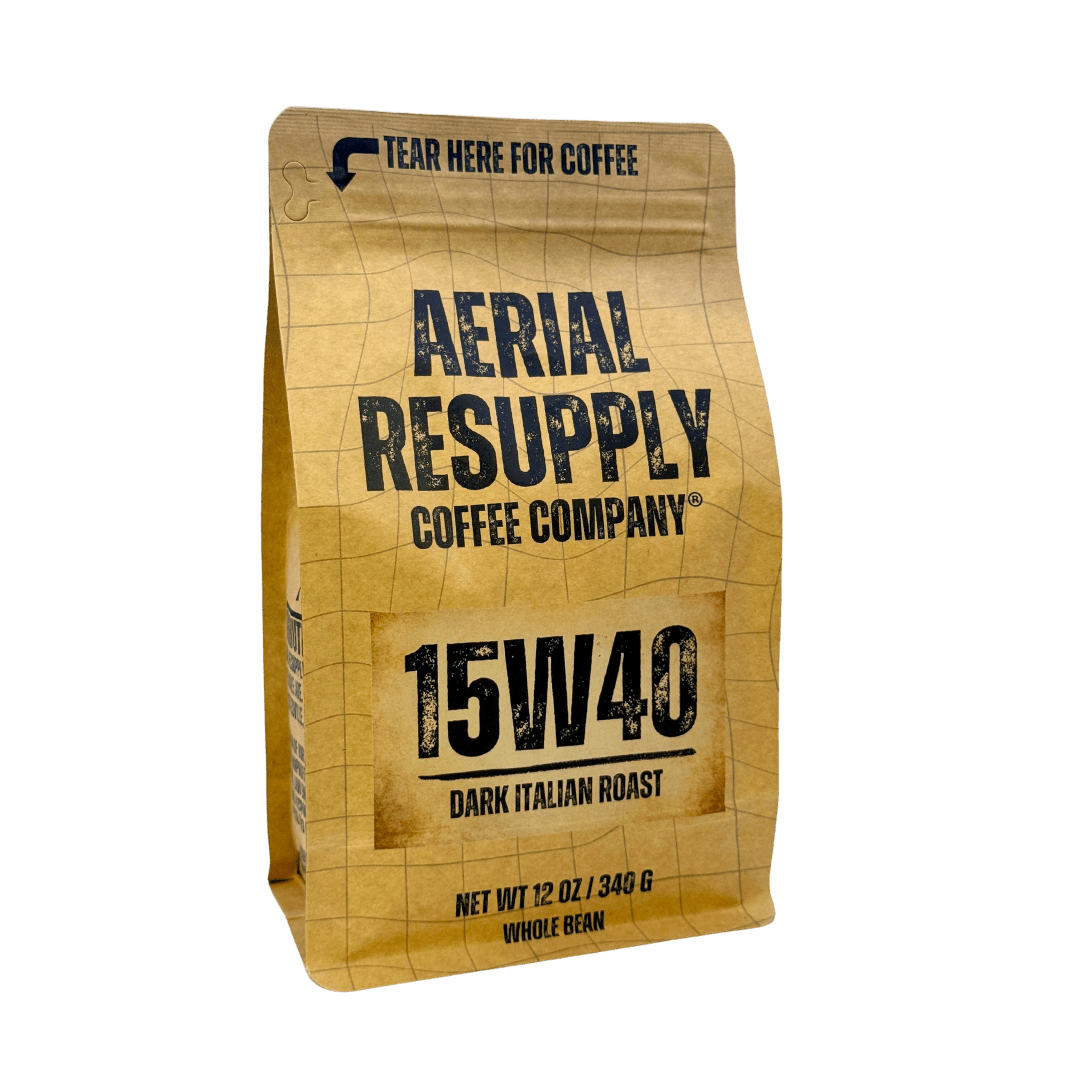
ARC Products Firewatch, 15W40, Spectre, Hercules, Lifeline, Cavalry MOAB (intentional — maximum caffeine output)

Why Does Arabica Taste Better Than Robusta?

Arabica contains more sugars and lipids than Robusta. During roasting, those compounds drive the Maillard reaction and caramelization processes that produce the complex flavor notes you can actually taste. More sugar means more complexity. More lipids means more body and a smoother finish.

Robusta has higher chlorogenic acid content, which breaks down into quinic acid during roasting. That's the compound responsible for the harsh, astringent bitterness you get in low-grade commercial coffee. It's not the roast level causing that bitterness. It's the species.

This is why two coffees roasted to the same temperature and brewed the same way can taste completely different. The chemistry starts at the plant level, long before anything touches a roaster.

Does Robusta Actually Have More Caffeine?

Yes, significantly more. Robusta beans contain approximately 2.2–2.7% caffeine by dry weight, compared to 1.2–1.5% for Arabica. That's roughly double the caffeine per bean. The caffeine acts as a natural pesticide for the plant, which is part of why Robusta is more disease-resistant. Higher caffeine means fewer insects and pathogens.

For most specialty coffee drinkers, that higher caffeine comes at too high a cost to flavor. But there are specific use cases where the caffeine content is the priority and the flavor tradeoff is acceptable. Military-grade morning fuel, for instance.

The Robusta Exception

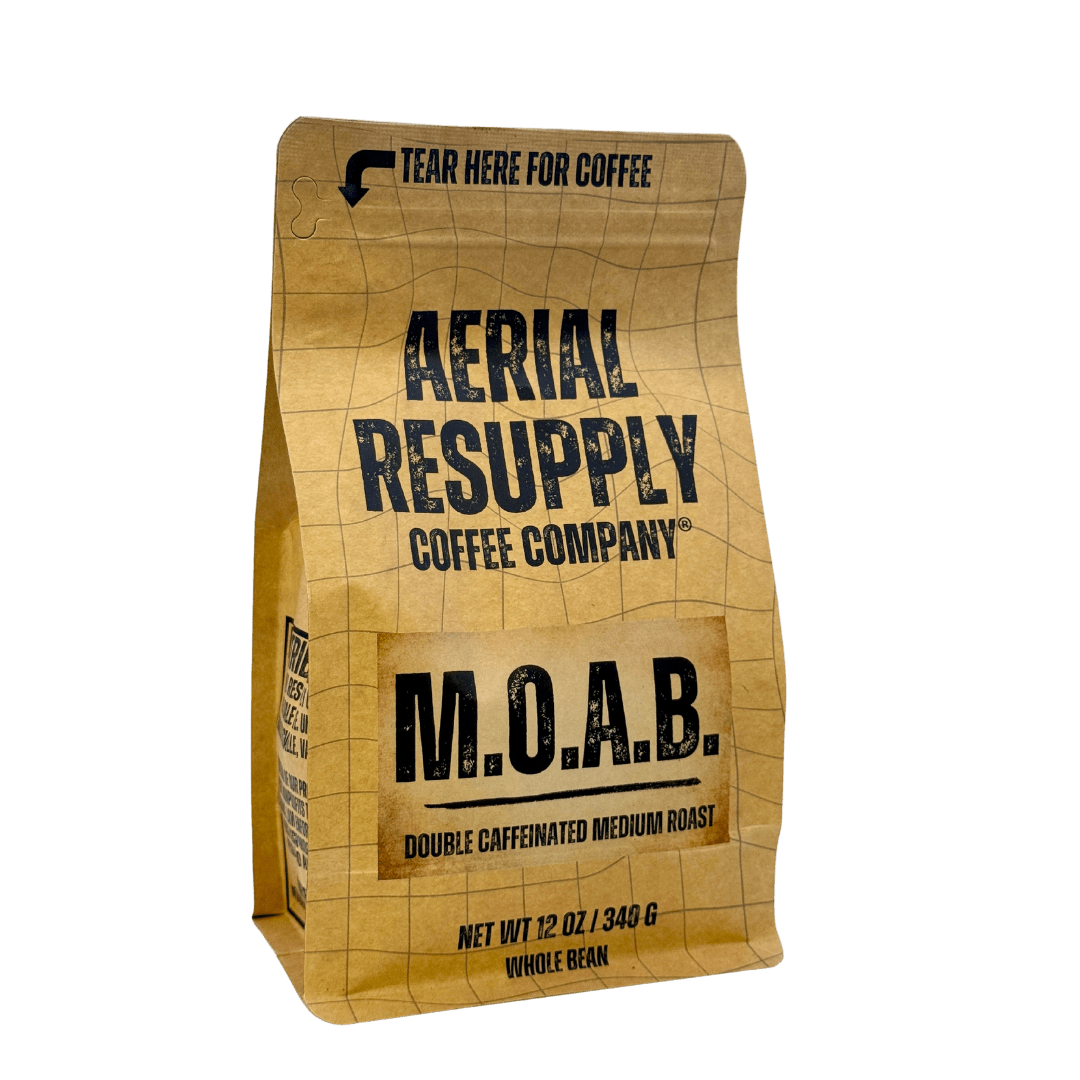
MOAB is the one ARC blend that uses Robusta — on purpose. Double the caffeine of standard coffee. When Arabica's flavor matters less than output, this is the mission-appropriate choice.

Shop MOAB →

Why Do Cheap Commercial Coffees Use Robusta?

The economics are straightforward. Robusta yields more fruit per plant, grows in conditions where Arabica can't, and costs less to source at scale. For a commodity coffee operation focused on volume over quality, Robusta is the obvious input.

Most grocery store brands and gas station coffee are Robusta-heavy or Robusta-blended, and they won't tell you that on the label. The label says "100% coffee" because that's technically true. It doesn't say which kind. That's not an accident.

When you buy Arabica specialty coffee, you're paying for a more expensive agricultural input, tighter quality controls, and a supply chain that isn't trying to find the cheapest possible bean. That's the actual price difference explained.

Is Robusta Ever Worth Drinking?

Yes, in the right context. High-quality Robusta from Uganda or Vietnam can produce a rich, full-bodied cup that works well for certain espresso applications. Some Italian espresso roasters deliberately blend in a small percentage of high-grade Robusta for the thick crema it produces and the added body it contributes to the shot.

The problem is most Robusta in commercial coffee isn't high-grade. It's commodity Robusta chosen for cost, not quality. If you're drinking Robusta and it tastes harsh and bitter, that's the grade of bean, not the species itself doing its best work.

At ARC, MOAB uses Robusta because the caffeine content is the point. The brief was simple: maximize caffeine output. Robusta delivers that. We're not pretending otherwise. When you buy MOAB, you know what you're getting and why.

Which Is Better for Espresso, Arabica or Robusta?

Arabica is better for flavor. Robusta is sometimes added for crema and body. Most high-end specialty espresso roasters use 100% Arabica. Traditional Italian-style espresso blends sometimes include a small Robusta percentage for the thick, persistent crema it produces during extraction.

ARC's Spectre is 100% Arabica, dialed specifically for espresso. The flavor profile is built around a dark espresso roast that extracts cleanly as a straight shot or pulls correctly under milk. No Robusta needed to get the crema. The grind and extraction variables do that work.

Frequently Asked Questions

Is Arabica or Robusta better for you health-wise?

Both contain antioxidants, but the two species differ in their chemical profiles. Arabica has lower chlorogenic acid content, which may reduce the harsh acidity some people experience. Robusta's higher caffeine means a stronger stimulant effect per cup. Neither is dramatically "healthier" than the other, but Arabica's lower acidity tends to be easier on the stomach for people who are sensitive to coffee's bitterness.

Can you taste the difference between Arabica and Robusta?

Yes, clearly. Arabica has a more complex flavor with natural sweetness, fruit or nut-forward notes, and a clean finish. Robusta tastes earthier, harsher, and significantly more bitter. If you've ever had a cup of specialty coffee next to a gas station cup and noticed an obvious quality difference, what you were tasting was largely the difference in bean species and grade.

Why does specialty coffee always use Arabica?

Because Arabica's flavor complexity is what specialty coffee is built on. Single-origin notes, terroir, processing method variations — all of that expresses through Arabica's chemical profile. Robusta's flavor is flatter and harsher at most grades, which limits what a roaster can actually do with it. Specialty coffee is a flavor product. Arabica is the better flavor input.

Does dark roast have more caffeine than light roast?

Not meaningfully, and this depends on how you measure. By weight, light roast has slightly more caffeine because darker roasting burns off a small amount of caffeine. By volume (scoops), dark roast beans are larger and lighter, so you'd use more of them per scoop, roughly equalizing the caffeine. The species of bean matters far more to caffeine content than roast level.

What's in MOAB that makes it high-caffeine?

MOAB uses Robusta beans, which naturally contain roughly double the caffeine of Arabica by dry weight. There's no added caffeine, no synthetic boost, no extract. It's just a species-level caffeine advantage from the Robusta plant. ARC uses Robusta in MOAB specifically for this reason and is upfront about it. You want the caffeine, you get the Robusta. Everything else in the ARC lineup is Arabica.

Now you know what you're buying. The full ARC lineup is Arabica — roasted for flavor, not filler. MOAB is the one exception, and it's intentional.

Browse the Full Lineup →

First subscription order at 30% off with code FLY30.


OUR RETAIL STORE

705 Dale Ave, Unit E
Charlottesville, VA 22903

Mon - Fri, 8:30am - 2:30pm
Saturday, Closed
Sunday, Closed

The Aerial Resupply Coffee Roastery Charlottesville Virginia Whole Bean ground and kcup premium coffee

Visit the Roastery

Stop by our roastery in Charlottesville to see where the mission begins. Grab a bag, talk coffee, and watch veteran-owned craftsmanship in action.

📍 705 Dale Ave, Unit E — Charlottesville, VA 22903
⏰ Mon–Fri: 830am – 230pm