Dark coffee mug with minimal steam — decaf coffee caffeine question

Is Decaf Coffee Actually Caffeine-Free? (No. Here's Why.)

Is Decaf Coffee Actually Caffeine-Free? (No. Here's Why.)

TL;DR No. Decaf coffee is not caffeine-free. The FDA allows coffee to be labeled "decaf" once 97% of caffeine is removed — which leaves 2–15mg per 8oz cup depending on the decaffeination method. Written by Michael Klemmer, 20-year U.S. Army logistics officer and founder of Aerial Resupply Coffee in Charlottesville, VA.

If you switched to decaf to cut out caffeine completely, someone sold you a bad brief. Decaf still has caffeine. Not much, but enough to matter if you're actually tracking your intake — and enough to make the label misleading to anyone who takes it at face value.

Is Decaf Coffee Actually Caffeine-Free?

No. Decaf coffee contains caffeine. The FDA standard requires that at least 97% of the original caffeine be removed before a coffee can be labeled "decaffeinated" — but that still leaves up to 3% behind. In practical terms, an 8oz cup of decaf typically contains between 2mg and 15mg of caffeine.

For reference, a standard 8oz cup of regular coffee contains roughly 80–100mg. So decaf has significantly less — but "significantly less" is not the same as zero. If you're drinking four or five cups of decaf a day because you think you've eliminated caffeine, you're still consuming 10–75mg. That's not nothing.

The range (2–15mg) is wide because decaf caffeine content varies by bean origin, roast level, brewing method, and the decaffeination process used. Which brings us to the part most people never look into.

How Does the Decaffeination Process Work?

There are four main decaffeination methods in commercial use. Each removes caffeine differently, and each leaves behind a different residual amount. The method used is rarely printed on the bag — which is a problem if you're trying to minimize caffeine intake with any precision.

The Swiss Water Process is the most thorough and the most commonly marketed as "chemical-free." It uses hot water and activated charcoal filters to strip caffeine from the green beans. CO2 extraction uses pressurized carbon dioxide to pull caffeine selectively — it's the most precise method and leaves the least residual caffeine. Chemical solvent methods (methylene chloride or ethyl acetate) are the industry standard and work efficiently, though they tend to leave slightly more residual caffeine than CO2 extraction. Steam decaffeination is less common and generally less effective at full caffeine removal.

Decaffeination Method How It Works Caffeine Remaining (approx.) Caffeine Per 8oz Cup (approx.)
Swiss Water Process Hot water + activated charcoal filters strip caffeine from green beans ~0.5–2% of original 2–5mg
CO2 / Supercritical Extraction Pressurized carbon dioxide selectively extracts caffeine molecules ~0.5–1% of original 2–4mg
Chemical Solvent (Methylene Chloride / Ethyl Acetate) Solvent bonds to caffeine molecules; beans are steamed to remove solvent residue ~1–3% of original 5–15mg
Steam Decaffeination Steam opens bean pores; water-based solvents extract caffeine ~2–3% of original 8–15mg

The practical takeaway: if you're choosing decaf specifically to minimize caffeine, Swiss Water Process or CO2-extracted beans will get you closer to zero than the solvent methods. The problem is that most decaf on grocery store shelves doesn't tell you which process was used.

The Opposite of Decaf

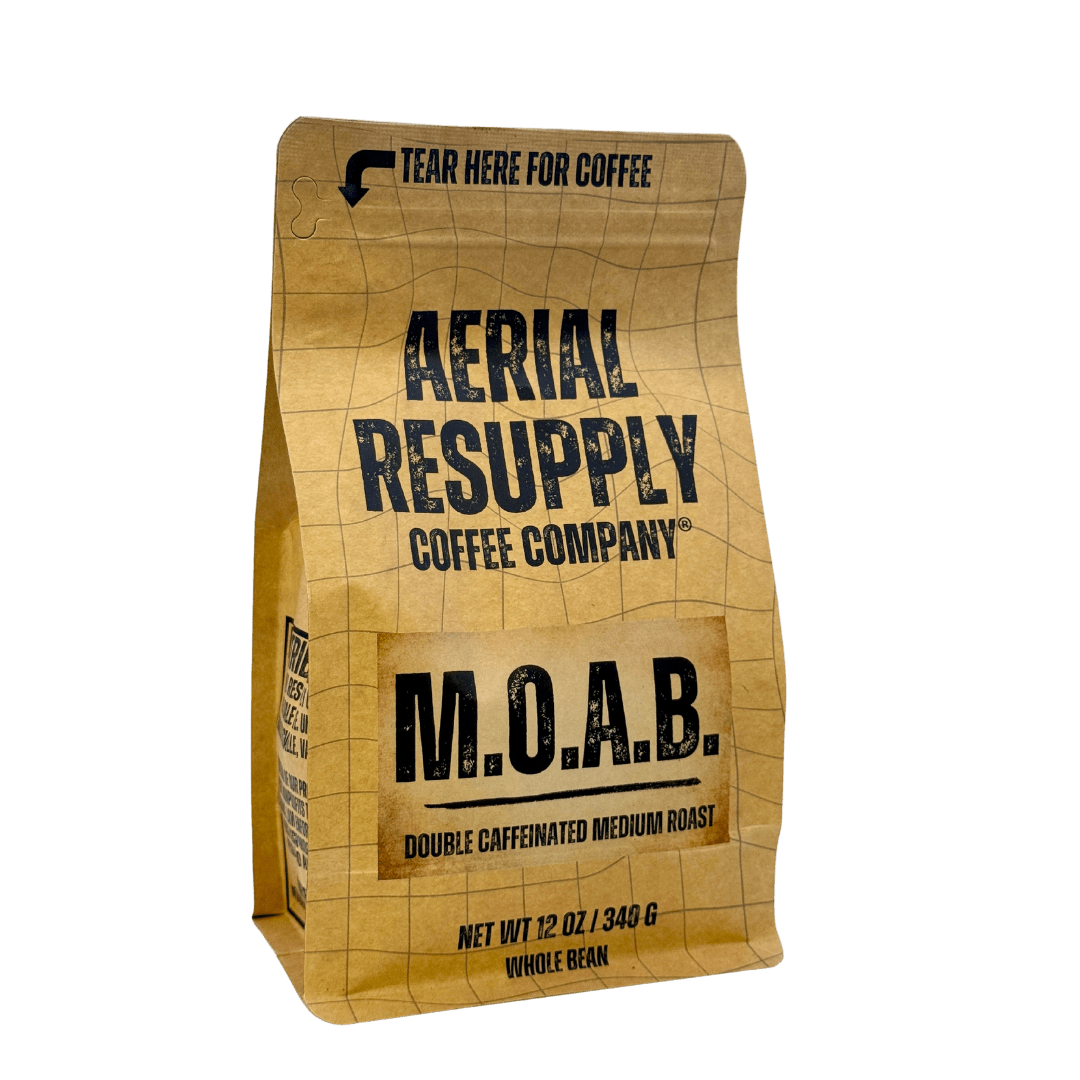
ARC doesn't sell decaf. What we sell instead is MOAB — a double-caffeinated blend with twice the caffeine of standard coffee. If you're asking whether decaf has caffeine, you might be thinking about this whole thing backwards.

Shop MOAB →

Does Decaf Coffee Have More Caffeine Than People Think?

Generally, yes — because most people assume "decaf" means zero caffeine. It doesn't. The gap between "97% caffeine removed" and "no caffeine" is the source of a lot of confusion, and coffee brands don't exactly go out of their way to clarify it.

Studies on commercially available decaf have found significant variance. A 2006 study published in the Journal of Analytical Toxicology tested 10 decaffeinated coffees from coffee shops and found that all of them contained measurable caffeine, ranging from 8.6mg to 13.9mg per 16oz cup. A later study from the University of Florida found similar results, with some decaf shots from espresso machines containing up to 13.9mg of caffeine per shot.

If you have a medical reason to avoid caffeine — cardiac arrhythmia, certain medications, pregnancy — the assumption that decaf is safe may not be accurate. The variance is real and the label doesn't tell you which end of the range you're getting.

How Does Decaf Caffeine Content Compare to Regular Coffee?

The comparison is stark. Regular coffee contains roughly 80–200mg of caffeine per 8oz cup depending on roast, grind, brew method, and bean variety. Decaf sits at 2–15mg. That's a roughly 10:1 to 100:1 ratio depending on what you're comparing.

Coffee Type Caffeine Per 8oz (approx.) Notes
Regular drip coffee (light roast) 120–200mg Light roast retains more caffeine than dark
Regular drip coffee (medium roast) 95–150mg Standard baseline for most coffee drinkers
Regular drip coffee (dark roast) 80–130mg Roasting breaks down some caffeine
Espresso (1oz shot) 60–75mg per shot Higher concentration, smaller volume
MOAB (ARC Double Caf) ~200–250mg per 8oz Robusta blend, roughly 2x standard coffee
Decaf (Swiss Water / CO2) 2–5mg Lowest residual caffeine available commercially
Decaf (chemical solvent / steam) 5–15mg Most common commercial decaf method

One thing worth noting on the regular coffee side: the light vs. dark roast caffeine difference is smaller than most people think. Darker roasting does reduce caffeine slightly, but the difference between a light roast and a dark roast in an 8oz cup is rarely more than 20–30mg. The bean-to-water ratio and brew time matter more.

The Baseline

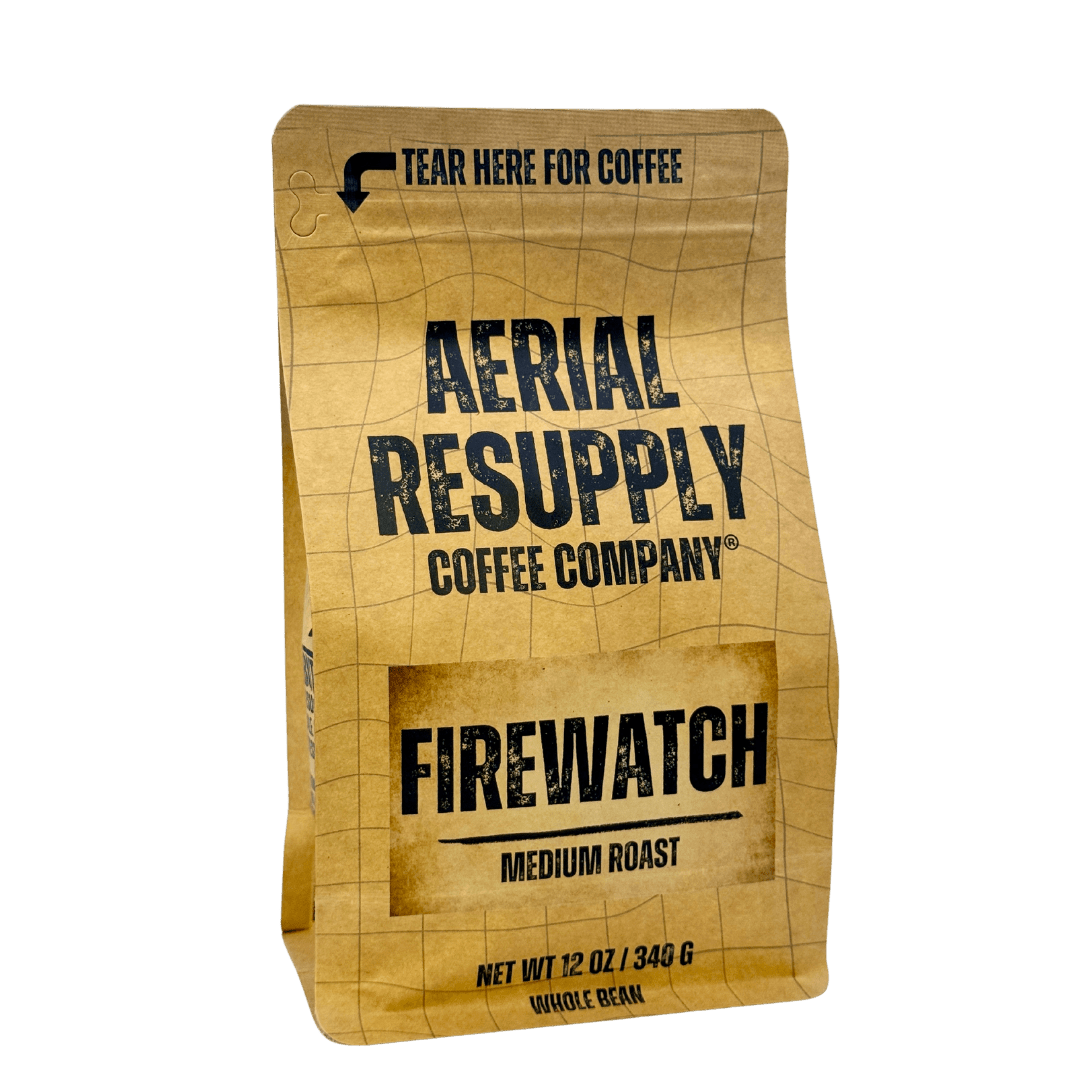
If you want a clean, standard cup with no tricks and no compromise, Firewatch is ARC's Colombian medium roast. About 150mg per cup. Enough to function. Not enough to vibrate.

Shop Firewatch →

Why Does ARC Not Sell Decaf?

Because the audience I built this for doesn't want it. I'm Michael Klemmer, a 20-year U.S. Army logistics officer. I built Aerial Resupply Coffee for the support MOS — the people who run at 0500, work until the job is done, and don't have a lot of patience for half-measures.

Decaf exists as a product because some people have genuine medical reasons to minimize caffeine. I respect that. But decaf is also frequently purchased by people who think they're cutting caffeine out entirely, when they're actually just cutting most of it out and confusing the remainder with placebo. That's not a problem I'm interested in solving.

What I do sell is the other end of the spectrum: MOAB is a double-caffeinated Robusta blend for the people who know exactly how much caffeine they want and want more of it. Firewatch is the every-day medium roast for people who want a consistent, clean 150mg. The lineup is built around using caffeine intentionally, not avoiding it imprecisely.

What's the Right Way to Manage Caffeine Intake?

If your goal is to reduce caffeine, switching to decaf is a blunt instrument. A more precise approach is timing and dose management. Caffeine has a half-life of roughly 5–7 hours, which means a cup of coffee at 2pm still has half its caffeine load circulating at 9pm. The science on sleep disruption from caffeine is clear: timing matters more than people realize.

The practical rules that most research supports: stop caffeine intake 6–8 hours before you plan to sleep. If you want a late-day cup without the sleep penalty, a true low-caffeine option (Swiss Water decaf or herbal tea) makes sense in that window. For everything before that cutoff, the right question isn't "how do I eliminate caffeine" — it's "how much caffeine do I actually want, and when."

From a logistics standpoint — and logistics is my background — the goal is predictable, repeatable performance. Random caffeine intake from inconsistent sources produces inconsistent output. Know what's in your cup. Know when you're drinking it. That's the actual solution.


Frequently Asked Questions

Is decaf coffee completely caffeine-free?

No. Decaf coffee contains 2–15mg of caffeine per 8oz cup depending on the decaffeination method and brewing technique. The FDA requires that at least 97% of caffeine be removed before a coffee can be labeled "decaffeinated," but that still leaves a measurable amount. Anyone who needs to avoid caffeine for medical reasons should not assume decaf is a safe substitute without checking with their doctor.

How much caffeine is in a cup of decaf coffee?

Typically 2–15mg per 8oz cup. Swiss Water Process and CO2-extracted decafs tend to be at the lower end (2–5mg). Decafs processed with chemical solvents or steam tend toward the higher end (5–15mg). For comparison, a standard 8oz cup of regular coffee contains 80–200mg of caffeine depending on roast and brew method.

Does the decaffeination method affect how much caffeine is left?

Yes, significantly. CO2 extraction and Swiss Water Process are the most thorough methods and leave the least residual caffeine. Chemical solvent methods (using methylene chloride or ethyl acetate) are the most common commercially and tend to leave slightly more. Steam decaffeination is the least precise and typically leaves the most. Most decaf packaging doesn't tell you which method was used.

Can decaf coffee affect sleep?

At 2–15mg per cup, a single serving of decaf is unlikely to meaningfully disrupt sleep for most people. However, several cups of decaf in the evening could add up. More importantly, if you're switching to decaf because you believe you're eliminating all caffeine, you may be underestimating your actual intake. For people who are highly caffeine-sensitive, even small amounts can affect sleep quality.

Is light roast or dark roast higher in caffeine?

Light roast has slightly more caffeine by weight because the roasting process breaks down caffeine over time — darker roasts lose a small amount during the longer roast. In practice, the difference is small (typically 10–20% at most) and can be offset by how you dose your coffee. If you measure by volume (scoops), dark roast beans are less dense, so you may actually get slightly more caffeine per scoop. The difference is real but minor.

The best approach to caffeine management isn't switching to decaf. It's buying coffee worth drinking at the right time of day.

Browse the Full Lineup →

First subscription order is 30% off with code FLY30.


OUR RETAIL STORE

705 Dale Ave, Unit E
Charlottesville, VA 22903

Mon - Fri, 8:30am - 2:30pm
Saturday, Closed
Sunday, Closed

The Aerial Resupply Coffee Roastery Charlottesville Virginia Whole Bean ground and kcup premium coffee

Visit the Roastery

Stop by our roastery in Charlottesville to see where the mission begins. Grab a bag, talk coffee, and watch veteran-owned craftsmanship in action.

📍 705 Dale Ave, Unit E — Charlottesville, VA 22903
⏰ Mon–Fri: 830am – 230pm