
How Long Does Cold Brew Last? (And How to Tell When It's Gone Bad)
Cold brew is pre-positioned caffeine. You make a batch, you put it in the refrigerator, and you draw from it for the next one to two weeks. That only works if you know your supply line — specifically, how long the supply is actually good.
This article covers the full cold brew shelf life picture: homemade regular cold brew, concentrate, store-bought, and what happens when you leave it out. It is a separate question from concentrate specifically — if that is what you are researching, we have a full breakdown on cold brew concentrate shelf life. This article covers the broader situation.
How Long Does Homemade Cold Brew Last in the Fridge?
Homemade cold brew lasts 7 to 14 days when stored in a sealed container in the refrigerator. Most batches are at peak flavor in the first week. By day 10 to 14, the flavor starts to flatten and the aroma fades. It does not become dangerous at that point, but it stops being worth drinking.
The two-week window assumes you are storing it properly: sealed container, refrigerator, no cross-contamination from other items. An open container sitting in a half-open pitcher cuts that window down. Oxygen is the enemy. It degrades flavor and accelerates the timeline toward flat and stale.
If you are grinding your own beans, the grind size also matters for storage. A coarser grind produces a cleaner batch that holds up better over time. Fines in the final brew — from an inconsistent grind — introduce more surface area, which means faster oxidation and a shorter good-flavor window.
How Long Does Cold Brew Concentrate Last?
Cold brew concentrate lasts 10 to 14 days refrigerated in a sealed container. Concentrate holds slightly longer than regular cold brew because the reduced water content and higher coffee-to-water ratio create a more stable brew. Less free water means slower oxidation and slower microbial activity.
The same rules apply: sealed, cold, no cross-contamination. Once you start diluting portions of concentrate with water or milk, do not put the diluted version back in the concentrate jar. Diluted cold brew at room temperature is a fast way to shorten the shelf life of your whole batch.
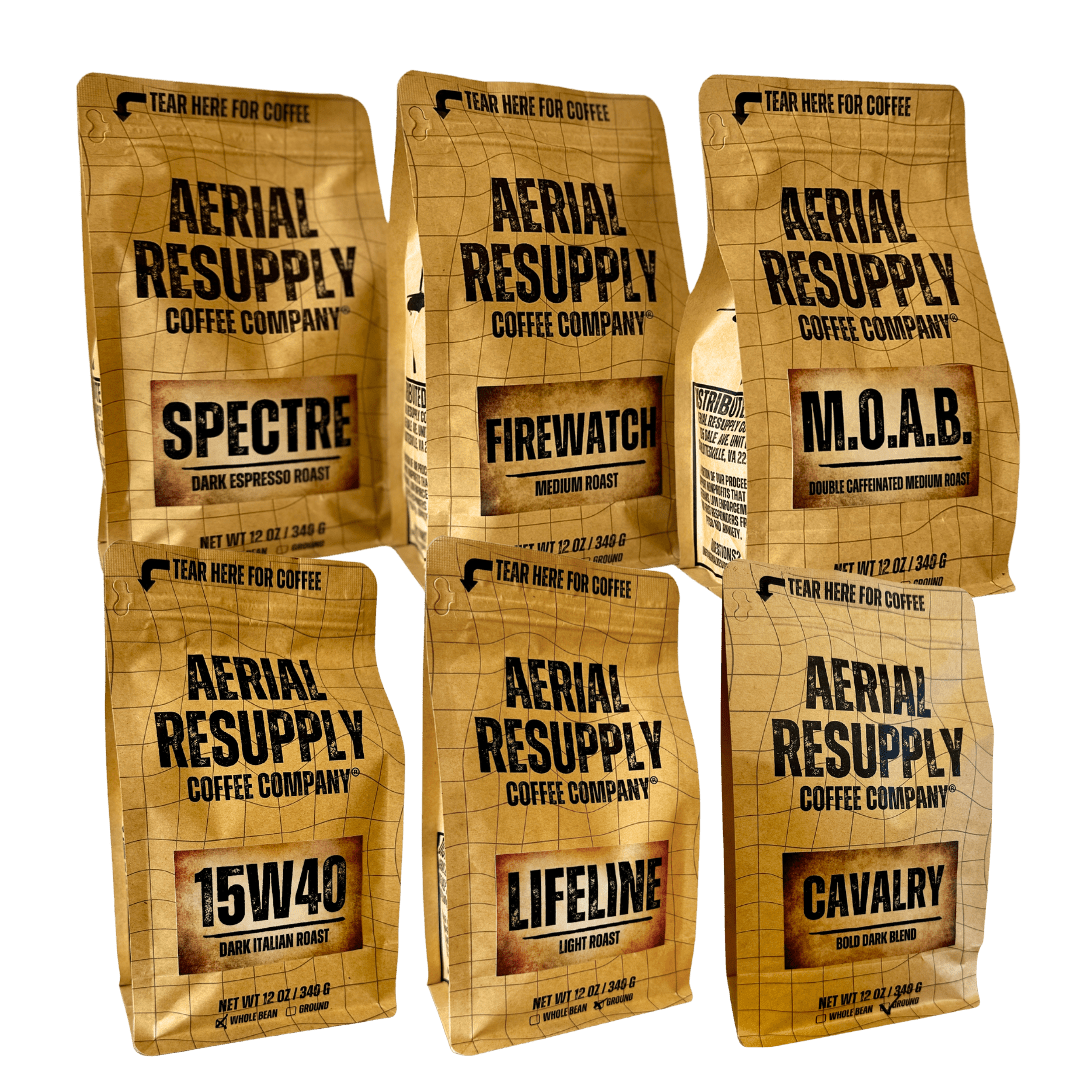
The grind and the roast determine how your cold brew tastes at day one and holds up through day fourteen. Firewatch — ARC's Colombian medium roast — has the balance and low acidity that cold brew rewards. Whole bean, grind coarse, steep 18 to 24 hours.
Shop Firewatch →How Long Is Store-Bought Cold Brew Good For?
Store-bought cold brew in a sealed bottle is good until the printed date on the packaging. Most commercial cold brew has a shelf life of several weeks to a few months when sealed because it goes through nitrogen flushing or other preservation steps that homemade cold brew does not. Once you open it, that advantage disappears fast.
Once opened, store-bought cold brew is good for 7 to 10 days refrigerated in a sealed container. The same degradation mechanics apply: oxygen, temperature fluctuation, and cross-contamination all shorten the window. Reseal it tight and keep it cold. Do not leave it on the counter for hours between uses.
Cold Brew Storage Options at a Glance
| Storage Type | Shelf Life | Signs It's Bad | Best Storage Method |
|---|---|---|---|
| Homemade Regular Cold Brew | 7 to 14 days refrigerated | Sour smell, flat or off flavor, visible cloudiness beyond normal | Sealed glass jar or pitcher, back of the fridge |
| Homemade Concentrate | 10 to 14 days refrigerated | Sour or musty smell, unusual bitterness beyond normal concentrate intensity | Sealed glass jar, keep undiluted until serving |
| Store-Bought Sealed | Use printed date | Swollen bottle, off smell on first open | Refrigerate after purchase; do not freeze |
| Store-Bought Opened | 7 to 10 days refrigerated | Flat taste, sour notes, off smell | Reseal tightly, refrigerate immediately |
| Left at Room Temperature | 12 hours max | Sour smell within hours; visible changes within a day | Do not store at room temperature — refrigerate at all times |
What Happens If You Leave Cold Brew at Room Temperature?
Cold brew left at room temperature has a maximum window of about 12 hours before it starts going off. Cold brew is not shelf-stable. The cold brewing process does not sterilize the liquid or create any preservation barrier beyond the temperature itself. Room temperature is a fast path to bacterial activity and sourness.
In a warm kitchen or on a hot day, that 12-hour window gets shorter. If cold brew has been sitting out overnight, do not drink it. The cost is one wasted batch. The alternative cost is not worth it.
How to Tell When Cold Brew Has Gone Bad
Cold brew tells you when it is done. The most reliable signal is smell — if it smells sour, vinegary, or musty rather than like coffee, it is past its window. Good cold brew smells like coffee, even at two weeks. Bad cold brew smells like something else. Trust the smell before anything else.
Taste is the second indicator. Cold brew that has gone off will taste sour or flat in a way that is distinct from normal cold brew bitterness. The coffee flavor background disappears and something sharper takes its place. That is oxidation and microbial activity doing their work. It is not dangerous at this stage in the same way that spoiled meat is, but it is not good coffee either.
Visual changes are less reliable but present. Normal cold brew has some natural sediment at the bottom, particularly in homemade batches. Unusual cloudiness that was not there when you first brewed it, or a film forming on the surface, are signs that something has changed.
How Do You Make Cold Brew Last Longer?
Four things extend cold brew shelf life: a sealed container, consistent cold temperature, no dilution until serving, and clean equipment. Every variable that lets oxygen in or temperature fluctuate works against you. A sealed glass jar in the back of the refrigerator — where temperature stays most stable — is the right setup.
Pour into a glass when you serve it. Do not pour from the main container into a glass that then goes back in. Cross-contamination from a used glass introduces bacteria that shorten the batch. The batch stays cleaner longer when the only thing going into it is a clean pour spout or ladle.
Do not freeze cold brew for regular storage. Freezing changes the texture and kills some of the nuanced flavor. Cold brew ice cubes are a legitimate technique for keeping iced coffee cold without diluting it, but freezing a full batch to preserve it is a last resort, not a standard practice.
MOAB cold brew for when you need the caffeine hit to match the volume. Double-caffeinated blend, same steep method, hits different. A quart of MOAB cold brew is a serious caffeine reserve.
Shop MOAB →The Logistics Lens: Cold Brew Shelf Life as Operational Data
I spent twenty years in the Army managing supply lines. The fundamental problem in logistics is not scarcity — it is timing. You do not run out because you had too little. You run out because you did not know when your supply would expire and you failed to plan around it.
Cold brew is the same problem in your refrigerator. A 14-day shelf life is not a warning label. It is operational data. It tells you how large a batch to make, when to make the next one, and when the current one is no longer mission-capable. Treat it that way and you never waste a batch, never run out, and never drink something that should have been poured down the drain two days ago.
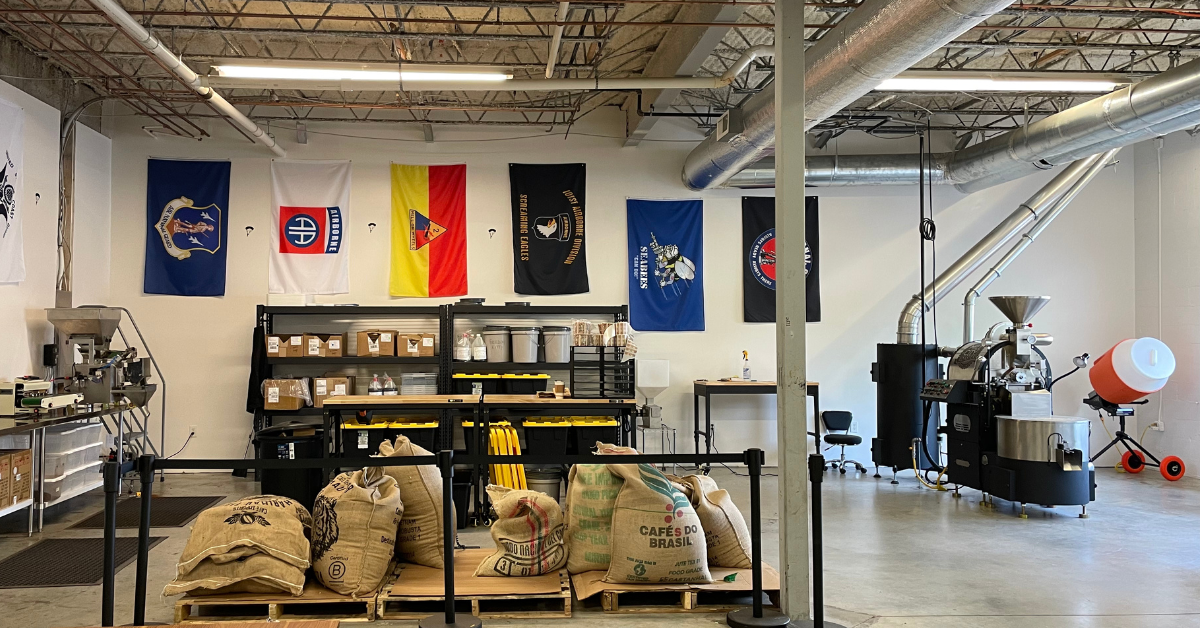
At Aerial Resupply Coffee, we roast in Charlottesville, VA, specifically for people who think about their caffeine supply the same way. Know your inputs. Know your timeline. Do not improvise what can be planned.
Frequently Asked Questions
How do I know if cold brew has gone bad?
Smell it first. Good cold brew at any age smells like coffee. Bad cold brew smells sour, musty, or vinegary — that is oxidation and microbial activity. If the smell is off, the taste will confirm it: sour or flat with the coffee character gone. Visual cloudiness beyond normal sediment is a secondary signal. If it smells wrong, do not drink it.
Can I freeze cold brew?
You can freeze cold brew but it is not ideal for regular storage. Freezing affects texture and mutes some flavor nuance. A better use of frozen cold brew is as coffee ice cubes — they keep your drink cold without watering it down. If you have a large batch about to expire and cannot finish it, freezing is a viable option. For normal use, keep it refrigerated and plan your batch size around the 7 to 14 day window.
Does cold brew concentrate last longer than regular cold brew?
Slightly. Cold brew concentrate typically lasts 10 to 14 days refrigerated versus 7 to 14 days for regular cold brew. The higher coffee-to-water ratio reduces the free water in the batch, which slows microbial activity and oxidation. The difference is not dramatic. Both need to be sealed, refrigerated, and consumed within two weeks. The bigger factor is how well you seal the container.
How long is cold brew good for after opening a store-bought bottle?
Seven to ten days, refrigerated and resealed. Store-bought cold brew benefits from nitrogen flushing and other preservation steps that extend the sealed shelf life, but those protections end the moment you open the bottle. Once air gets in, the clock is the same as homemade. Reseal tightly after every pour and keep it in the back of the refrigerator where temperature stays most consistent.
What is the best container for storing cold brew?
Sealed glass is best. Glass does not absorb flavors or odors, seals tightly, and does not interact with the brew. A mason jar with a metal lid or a glass pitcher with a tight-fitting lid are both good options. Avoid containers that cannot be fully sealed. Plastic can work in a pinch but tends to absorb flavors over time and does not seal as effectively as glass with a proper lid.
Cold brew is a system. Good beans, right ratio, proper storage. Know your timeline and you never waste a batch.
First subscription order at 30% off with code FLY30.