
Coffee Subscription vs Buying It at the Store
Applied automatically at checkout. No code to enter.
How do the two actually compare?
Side by side, on the things that decide whether you are happy in month six.
| What matters | Subscription | Store shelf |
|---|---|---|
| Cost per mug | About $0.66 ongoing | About $0.77 and up |
| First order | 30% off, automatic | Full price |
| Roast date | Roasted to a schedule | Often unlabelled |
| Time since roast | Usually days | Often months |
| Choice | You pick the roast once | Whatever is stocked |
| Running out | Arrives before you do | Emergency trip |
| Immediacy | Ships to you | Available right now |
The row worth stopping on is time since roast. Coffee is at its best in roughly the first three to four weeks. A bag that moved through a distributor and sat on a shelf is frequently well outside that window before it reaches your kitchen.
Is subscription coffee actually fresher?
It is, and the reason is structural rather than promotional. A roaster shipping direct on a schedule is roasting against known demand, so beans move from roaster to your counter in days.
Shelf coffee has to survive a supply chain. It is roasted, packed, warehoused, distributed, stocked, and then it waits for someone to pick it up. Every step is time the coffee is aging.
That is why a lot of shelf coffee carries a best-by date instead of a roast date. A best-by date two years out tells you nothing about when the coffee was actually roasted, which is the only date that matters for flavor.
When is the store the better option?
When you are out and need coffee this morning. Nothing shipped beats something on a shelf four minutes away.
When you genuinely enjoy browsing and picking something different. That is a real pleasure and a subscription removes it.
And when your consumption is low enough that a recurring delivery would outrun you. Below about three or four mugs a week, buying as you go is the sensible answer.
Can you do both?
Most people who land somewhere sustainable do exactly this. A subscription covers the coffee you drink every morning without thinking, and you still pick up something interesting when you feel like it.
The subscription handles the ninety percent case, which is the one that actually costs you money and irritation when it goes wrong. Browsing stays a choice rather than a chore.
Set the interval slightly long if you plan to do this, since the occasional store bag will stretch your supply further than the chart predicts.
Set it up in ninety seconds
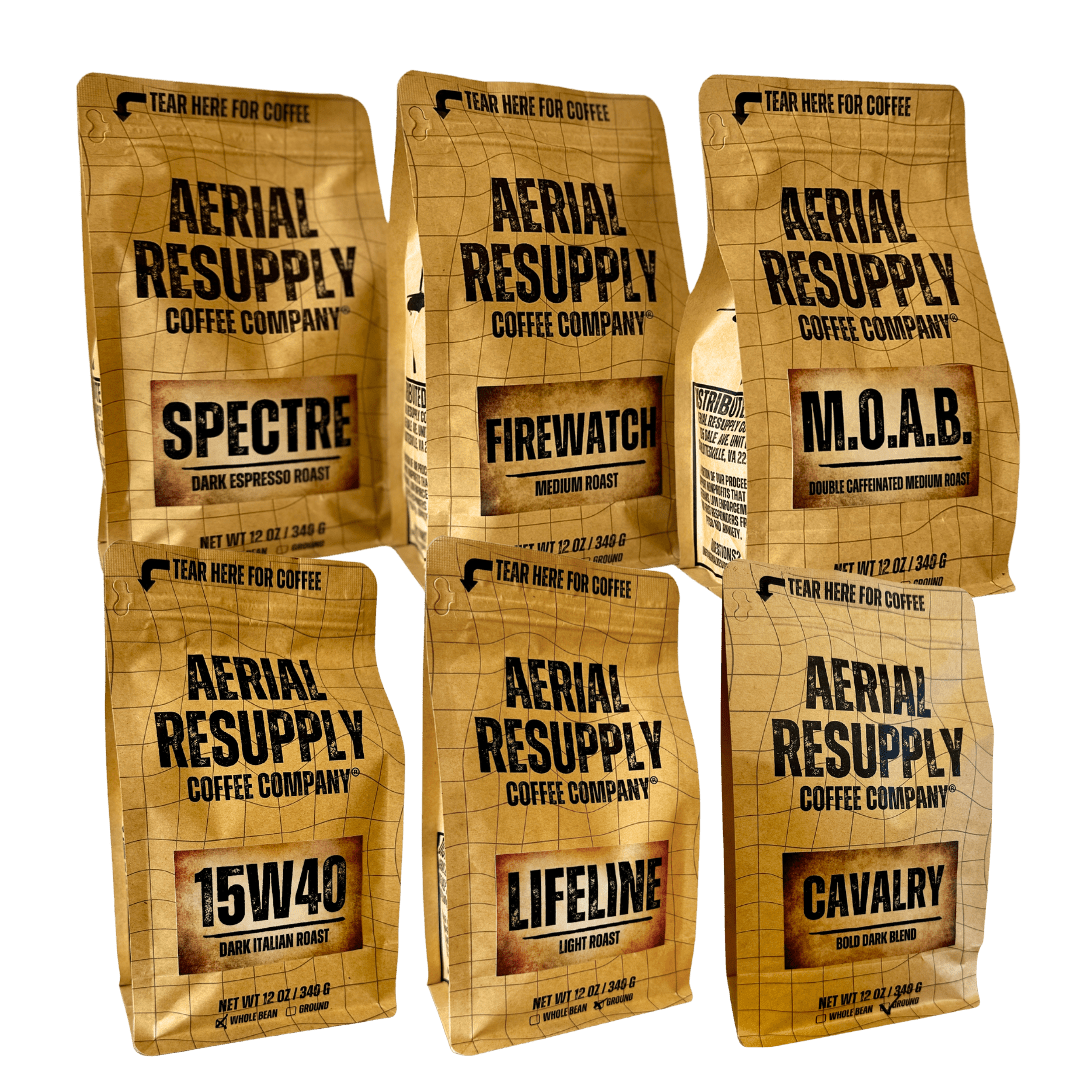
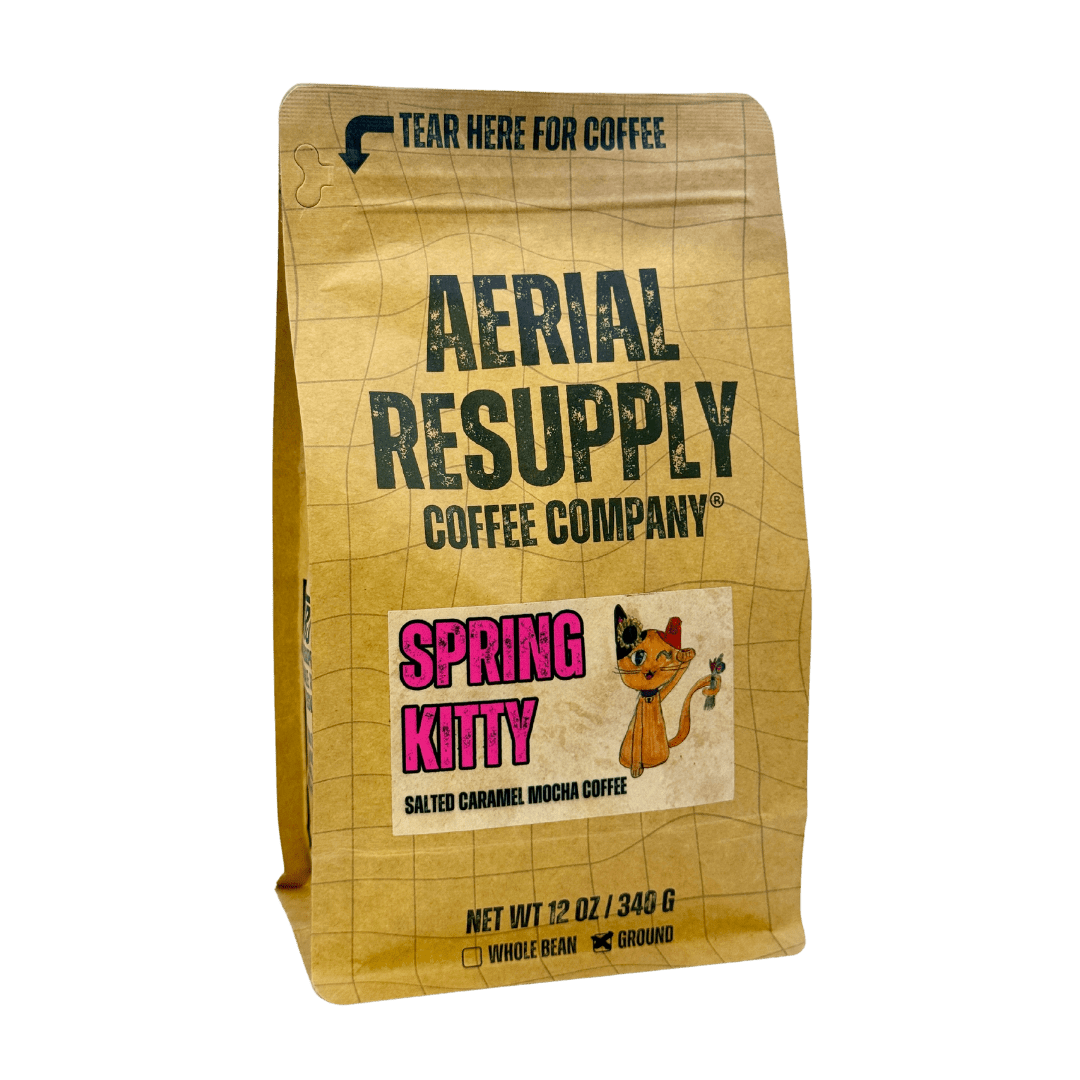
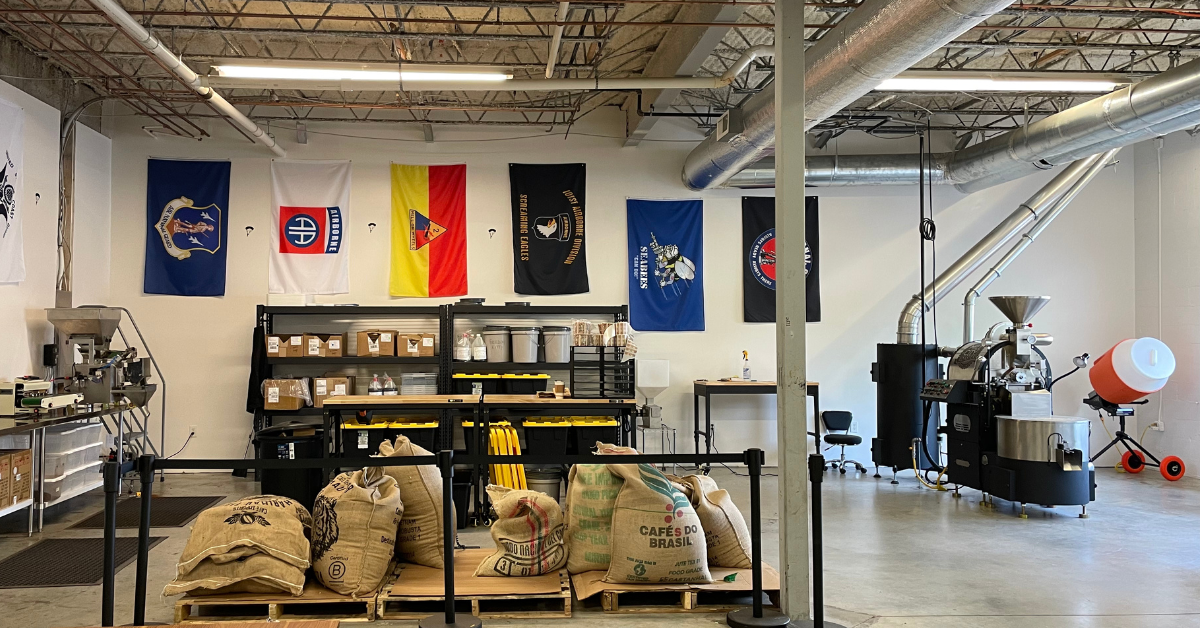
What we sell. Small-batch coffee roasted in Charlottesville, Virginia. Seven roasts from a blonde to a dark Italian, plus a double caffeinated blend. Twelve ounce bags at $16.99 in whole bean or ground, and five pound bags for a bigger operation.
Why it helps you. You choose the roast once and it arrives before you run out. The first order is 30% off and every order after that stays 15% below retail. Skip, delay, swap roasts, or cancel yourself at any time.
How to buy. Open a roast, choose an interval of two, four, or eight weeks on the product page, and check out. The 30% comes off the first order automatically. There is no code to enter.
Pick your roast and subscribe →Still deciding which roast and how often? Here is the full subscription setup guide, roast by roast, with the cost per mug for each one.
Questions people actually ask
Is subscription coffee fresher than store bought?
Generally yes. A roaster shipping direct on a schedule gets coffee to you within days of roasting, while shelf coffee has usually passed through a warehouse and a distributor first and can be months past its roast date.
Is a coffee subscription cheaper than the grocery store?
Against comparable specialty coffee, yes, at about sixty six cents a mug ongoing versus seventy seven or more for single bags. Against the cheapest shelf coffee the gap is fifteen to thirty cents a mug, which is roughly nine dollars a month at two mugs a day.
Why does store coffee have a best-by date instead of a roast date?
Because the supply chain is long enough that a roast date would not flatter the product. A best-by date well into the future tells you nothing about when the beans were actually roasted, which is the date that determines how it tastes.
How long is coffee good after roasting?
It is at its best for roughly three to four weeks after the roast date, and it stays drinkable well beyond that. Storing it sealed at room temperature away from heat and light preserves it longest.
Can I use a subscription and still buy coffee in person?
Yes, and most people do. Put your everyday coffee on a slightly longer interval so the occasional in-person bag does not create a backlog, and keep browsing when you feel like it.
The store is better when you need coffee in the next ten minutes. The subscription is better for the other three hundred and sixty four mornings.
Aerial Resupply Coffee is run by Michael Klemmer, who spent twenty years as an Army logistics officer getting supplies to people who needed them on time. Resupply is not a marketing word here.
Start your subscription, 30% off the first order →