
Coffee Martini Recipe: How to Make One That's Actually Worth Drinking
The espresso martini has been on every cocktail menu for three years. Most of them are mediocre. Not because the bartender doesn't know what they're doing with the shaker — the technique is simple enough — but because the espresso they're using was pulled four hours ago or came out of a can. The drink is only as good as its weakest ingredient, and in this cocktail, that's always the coffee.
This recipe fixes that. Vodka is vodka. Kahlua is Kahlua. The espresso is the one variable you actually control at home, and it's the one that separates a good coffee martini from a great one.
What Is a Coffee Martini, and How Is It Different From an Espresso Martini?
They're the same drink. "Coffee martini" and "espresso martini" are used interchangeably, and the core recipe is identical: espresso, vodka, coffee liqueur, shaken and strained. The only real distinction is how pedantic the person asking wants to be about it.
The drink was invented in the 1980s by UK bartender Dick Bradsell, reportedly after a model asked him for something that would "wake me up and then f*** me up." He built it with fresh espresso, vodka, and coffee liqueur. That original spec hasn't changed much. What's changed is that cheap interpretations have become the default — cold brew concentrate, instant espresso powder, or shots pulled from a machine that hasn't been calibrated since last Tuesday.
The name matters less than the execution. What you want is a drink with real espresso crema, a clean bitter-sweet balance, and a foam layer on top that holds up long enough to matter.
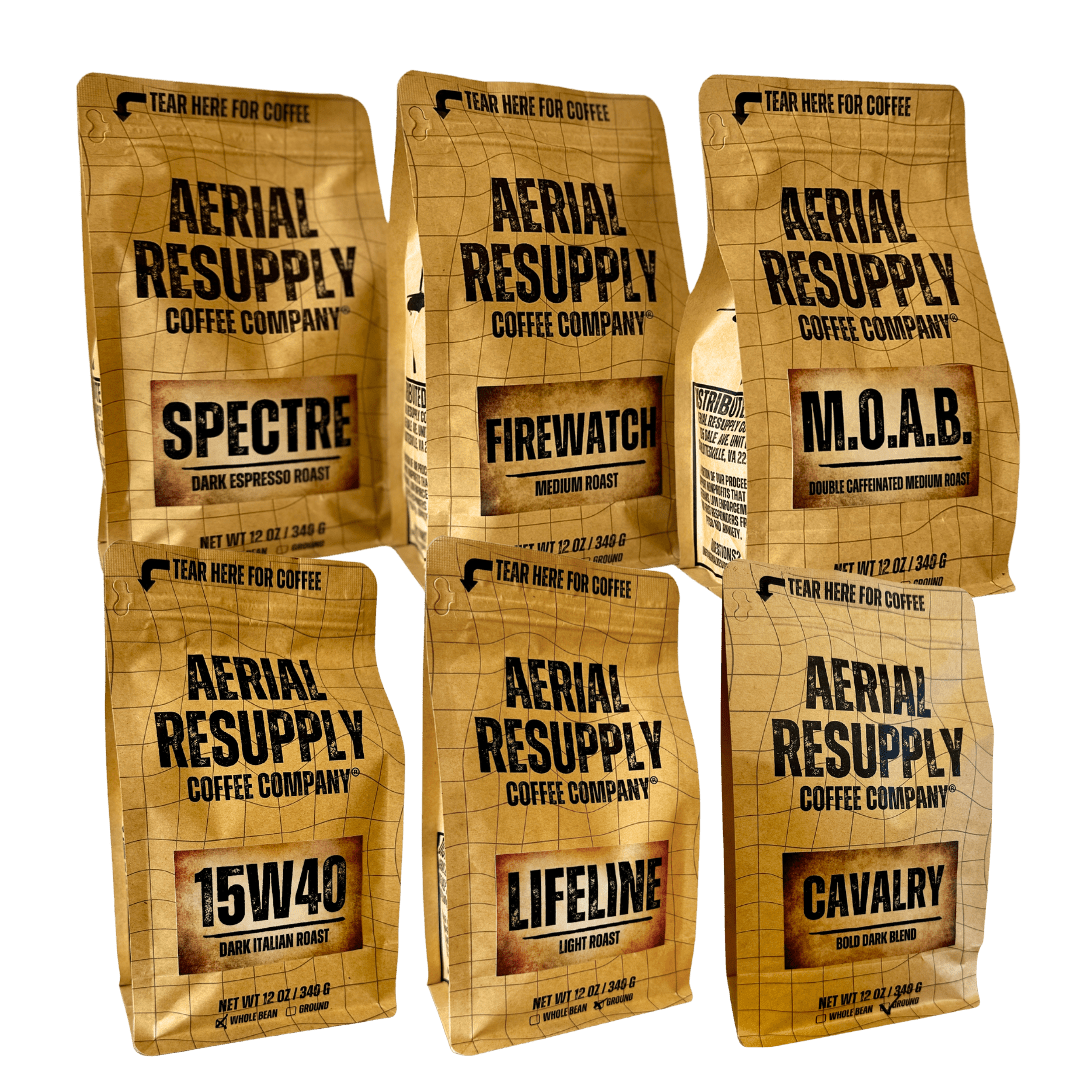
The espresso is the only ingredient in this cocktail that matters. Spectre is ARC's dark espresso roast — designed specifically for espresso pulls. Dark, low-acid, with a crema that holds up under a shaker. Use it here or pull a straight shot. Either way, it's doing the work.
Shop Spectre →What Are the Ingredients for a Coffee Martini?
Four ingredients. Nothing exotic. The ratio is what most bartenders settle on after years of tweaking, and it works.
- 2 oz vodka — standard well vodka works. You're not buying a $60 bottle for this.
- 1 oz Kahlua (or any coffee liqueur) — Kahlua is the standard. Mr. Black is a drier, more coffee-forward alternative if you want less sweetness.
- 1 oz fresh espresso — pulled hot, used immediately. This is the variable that matters.
- Simple syrup (optional, 0.25 oz) — add only if your espresso roast is very dry or you prefer a sweeter finish.
- 3 coffee beans — garnish. Traditional. Leave them off if you want, nobody's going to report you.
That's the whole recipe. The technique is what people get wrong, not the ingredient list.
How Do You Make a Coffee Martini Step by Step?
The single most important step is the shake. This is not a stir drink. You need to shake it hard and cold to build the foam layer from the espresso crema. A lazy shake produces a flat cocktail.
- Pull your espresso. One shot (1 oz), pulled fresh. If you're using Spectre or another dark espresso roast, let it rest 30 seconds after the pull before it goes into the shaker — you want it hot but not super-heated.
- Chill your coupe glass. Fill it with ice water while you prep. A warm glass kills the foam.
- Fill your cocktail shaker with ice. Fill it most of the way. More ice = colder shake = better foam.
- Add vodka, Kahlua, and espresso to the shaker. In that order. The espresso goes in last so it hits the cold ingredients.
- Shake hard for 15 seconds. This is not a polite shake. The crema from the espresso needs to emulsify with the other ingredients to build the foam layer on top. If your arms aren't tired, you didn't shake it hard enough.
- Dump the ice water from your glass. Dry it with a bar towel if you have one.
- Double strain into the coupe. Use your cocktail strainer plus a fine mesh strainer held over the glass. This keeps ice chips out and gives you a cleaner pour.
- Garnish with 3 coffee beans. Place them in the center of the foam. Traditional presentation — three beans represent health, wealth, and happiness in Italian coffee culture. Or just because it looks right.
Total time: about 4 minutes if your espresso machine is already warmed up. The bartender charging $18 for this at the bar is doing exactly the same thing, using worse espresso.
Coffee Martini vs. Espresso Martini vs. Irish Coffee — What's the Difference?
People conflate these three drinks constantly. They share a coffee backbone but are different cocktails built for different purposes.
| Drink | Base Spirit | Coffee Type | Sweetness | Strength | Best For |
|---|---|---|---|---|---|
| Coffee Martini | Vodka | Fresh espresso | Medium (from coffee liqueur) | Medium-high | After dinner, nights out, impressing someone |
| Espresso Martini | Vodka | Fresh espresso | Medium | Medium-high | Same drink, different name — purely semantic |
| Irish Coffee | Irish whiskey | Brewed black coffee (not espresso) | Low-medium (sugar optional) | Medium | Cold morning, winter evenings, airports at 7am |
The core distinction: the coffee martini is a cold, shaken cocktail built on espresso. Irish Coffee is a hot drink built on brewed coffee. They share DNA but aren't interchangeable.
What Are the Best Variations on a Coffee Martini?
The base recipe is solid. These variations are worth knowing if you're making a round of them or working around equipment limitations.
Cold Brew Version
If you don't have an espresso machine, use a 2:1 cold brew concentrate in place of the espresso shot. It won't produce the same foam layer — there's no crema in cold brew — but the flavor profile holds up. Use 1.5 oz cold brew concentrate instead of 1 oz espresso to compensate for the lower intensity. Shake just as hard.
Dairy-Free / Creamy Version
Add 0.5 oz oat milk creamer or coconut cream to the shaker. This softens the bitterness and produces a slightly richer mouthfeel. Not traditional, but it works if you're making these for a mixed group. The foam layer will be thicker and less delicate.
Extra Shot Version
Pull a double (2 oz espresso) instead of a single. Cut the Kahlua to 0.75 oz to keep it from going too sweet. This is for the person who wants the cocktail to actually do something. With a high-caffeine roast, you'll feel this one.
Salted Caramel Version
Replace simple syrup with 0.25 oz salted caramel syrup. Add a half-rim of flaked sea salt to the glass before pouring. More approachable for people who find straight espresso martinis too bitter. Works well as a batch cocktail for groups.
Amaro Version
Replace 0.5 oz of the vodka with Amaro Nonino or Averna. This adds a herbal, slightly bitter complexity that pairs well with a dark espresso roast. Harder to nail but worth trying if you're making these regularly.
No espresso machine? ARC K-Cups run on any Keurig-compatible brewer. Brew a concentrated pod, chill it, and it works in this recipe. Not the same as a proper pull, but it's 80% of the result with 20% of the effort.
Shop K-Cups →Why Does the Espresso Roast Actually Matter in This Cocktail?
Here's the thing about the coffee martini that most recipe sites skip over: vodka has almost no flavor, and Kahlua's flavor profile is locked. That means the espresso is carrying roughly 70% of the drink's character. You're not hiding it behind other ingredients — you're putting it front and center in a cold format that makes every flaw in the roast obvious.
A light roast or a generic grocery store espresso blend will produce a sharp, sour, thin cocktail. The bitterness isn't balanced, the crema doesn't hold up in the shaker, and the foam layer falls apart in under a minute. A dark espresso roast — specifically one dialed for espresso pulls — produces a drink with body, a foam layer that holds, and a bitter-sweet balance that works against the Kahlua sweetness.
Michael Klemmer developed Spectre specifically for espresso pulls. Low-acid, dark, with a crema profile built to survive the high-pressure extraction. In a cocktail shaker, that crema becomes the foam layer on top. It's not a coincidence — that's what a purpose-built espresso roast does when you shake it hard with ice.
The espresso is the only thing in this drink you actually have any control over. The vodka brand matters less than you think. The Kahlua is the Kahlua. The espresso is where this cocktail gets won or lost.
Frequently Asked Questions
Can I make a coffee martini without an espresso machine?
Yes. Use a 2:1 cold brew concentrate as a substitute — about 1.5 oz in place of the standard 1 oz espresso shot. You won't get the crema-based foam layer on top, but the drink is still solid. A Moka pot also works: it produces a concentrated, espresso-adjacent brew at roughly the right intensity. If you're using ARC K-Cups, run a single pod on the smallest brew setting your machine offers to maximize concentration.
What vodka works best in a coffee martini?
Standard well vodka. Tito's, Ketel One, Smirnoff — any of them work because vodka's flavor contribution in this drink is minimal. You're adding alcohol structure and dilution, not flavor. Do not use a flavored vodka unless you're deliberately going in a different direction. The espresso and Kahlua are doing the flavor work. Let them.
How far in advance can I make a coffee martini?
You can pre-batch the vodka and Kahlua portion a day or two ahead. Pull the espresso shots fresh when you're ready to serve and shake each drink to order. The foam layer only forms from a fresh shake — it dissipates within 5 to 10 minutes. Batch-shaking coffee martinis and pouring them from a pitcher produces a flat, foam-free drink. Pull the shots, shake to order, pour immediately.
Why doesn't my coffee martini have foam on top?
One of three reasons: the espresso wasn't fresh, you didn't shake hard enough, or the glass was warm. Espresso crema — the emulsified oils that create the foam — breaks down quickly after pulling. Shake it within two minutes of pulling the shot, use a full shaker of ice, and shake for a full 15 seconds with force. Chill the coupe glass while you prep. All three factors matter.
Is a coffee martini the same as an espresso martini?
Yes. The terms are used interchangeably and describe the same cocktail: vodka, coffee liqueur, and fresh espresso, shaken and strained into a coupe glass. Some menus make a distinction by using "coffee martini" to describe versions made with cold brew instead of espresso, but this isn't a formal rule. The original recipe uses espresso and always has.
The bar charges $18 for this because they're using cheap espresso. You don't have to.
Shop Spectre → — First subscription order at 30% off with code FLY30.