
The Best Whole Bean Coffee for Espresso at Home
What roast level is best for espresso?
Medium-dark to dark. Espresso extracts hard and fast, so a roast that still holds sharp acidity will come out sour. Darker roasts have converted those acids into sweetness and body.
Light roast espresso is a real style and it can be excellent, but it demands tighter equipment and more patience. It is not where you start.
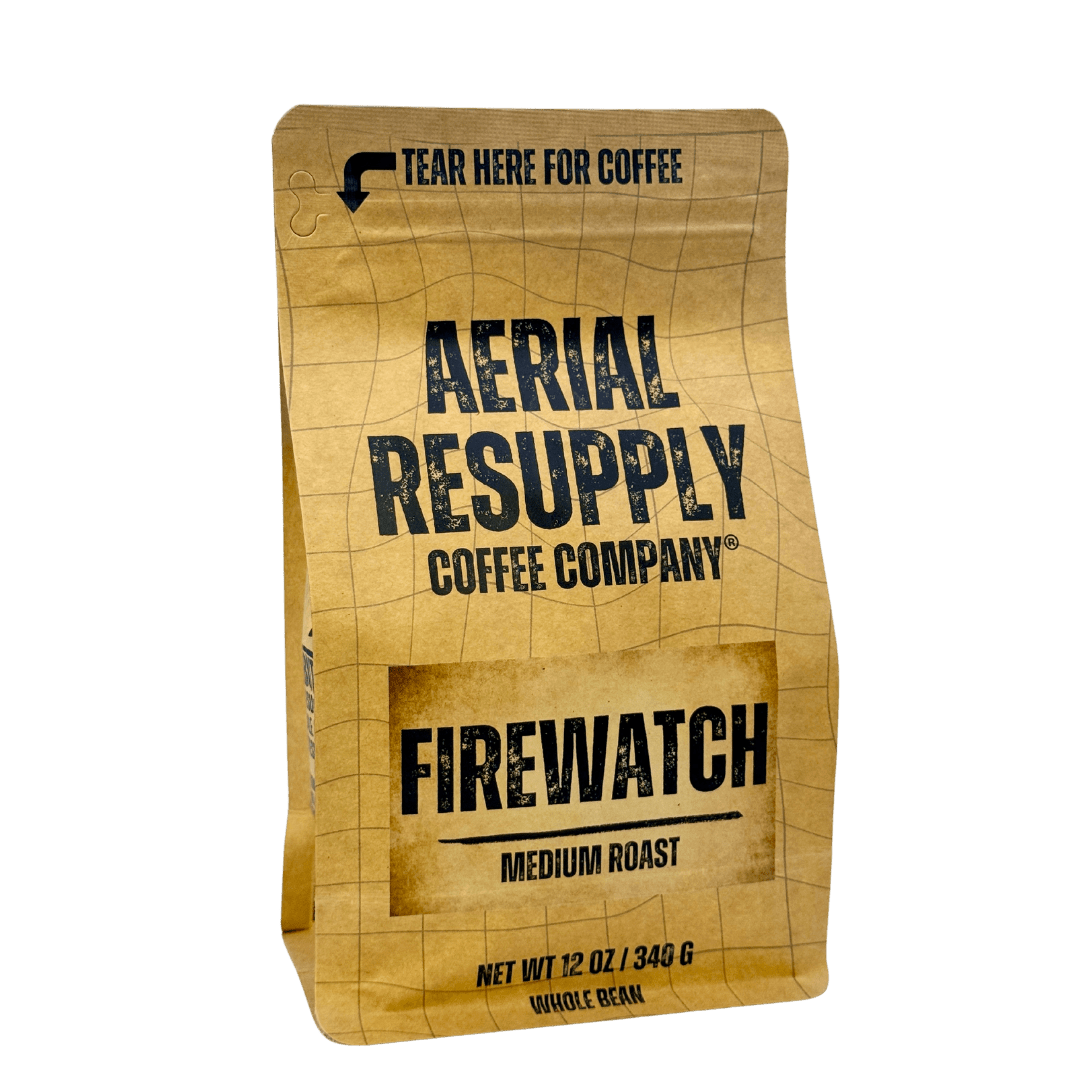
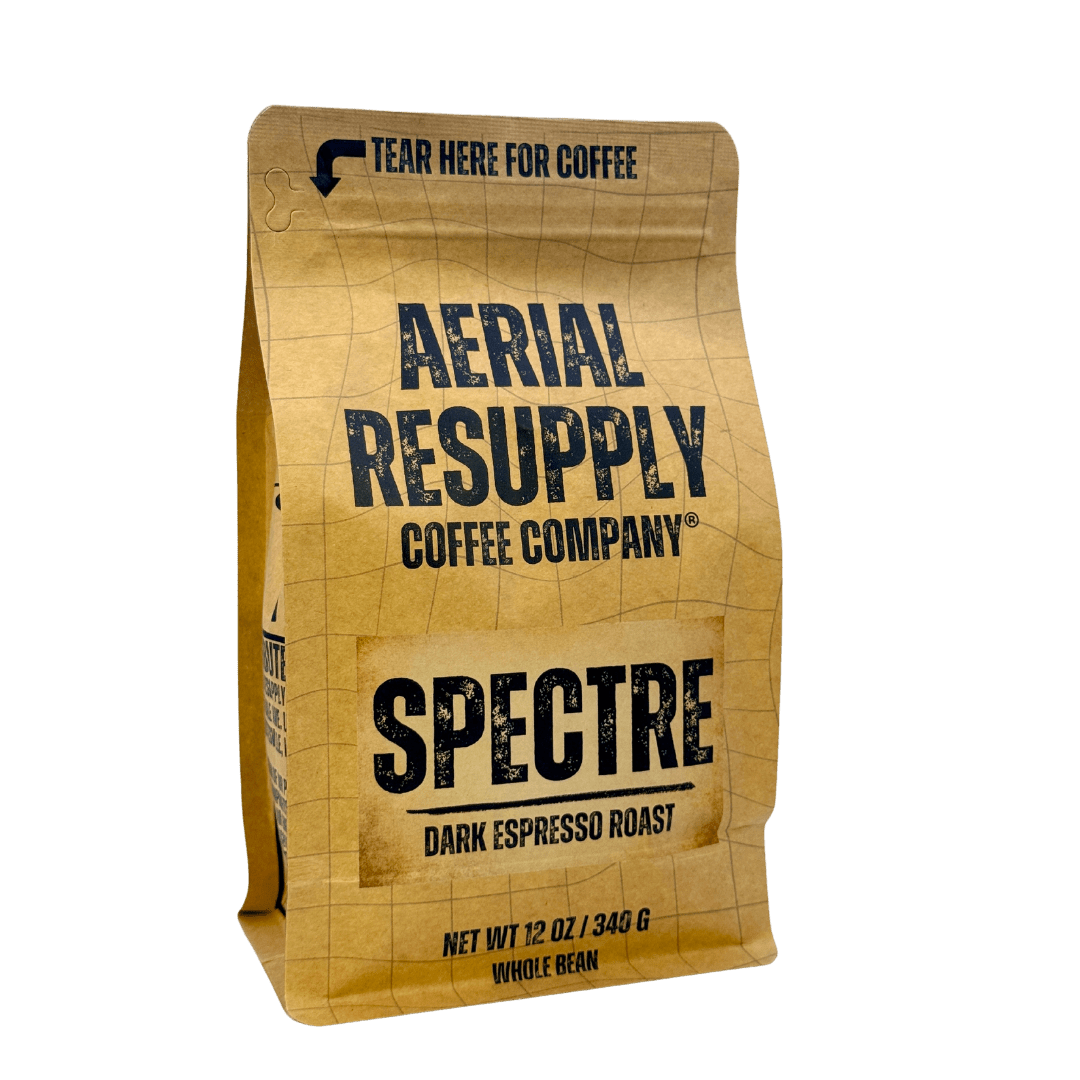
For this, Spectre is the dark espresso roast we developed against a shot rather than a filter.
A dedicated espresso roast has usually been developed against a shot rather than a filter, which shows up in how forgiving it is to dial in.
The method is only half of it. The bean decides the rest.
You can dial in every variable on a espresso machine and still get a cup you do not want, because the bag was never going to work.
Roast level does more here than any other single choice.
See the roasts →How fresh should espresso beans be?
Between one and four weeks off roast. Espresso is the one method where very fresh coffee actively causes problems, because carbon dioxide disrupts the flow and produces a gushing shot.
Give a new bag at least seven days after the roast date before you judge it.
Past about five weeks the crema thins out noticeably. Espresso shows staleness sooner than any other method.
| Days off roast | Behaviour in the basket | Verdict |
|---|---|---|
| 0 to 6 | Gushes, channels, thin sour shot | Too fresh |
| 7 to 28 | Stable flow, thick crema | Ideal |
| 29 to 40 | Still fine, crema thinning | Usable |
| 40 plus | Flat, crema pale and short-lived | Past it |
Most people change technique when they should change coffee.
It is easier to blame the equipment than the bag on the counter. Usually it is the bag.
Start with a roast built for how you brew and most of the fiddling disappears.
Browse the lineup →Do you need to change the grind for every bag?
Yes, and often within a bag. Grind setting is specific to the beans, their age, and the humidity that day. A setting that worked last month will not carry over.
Aim for roughly a two to one ratio out to in, so eighteen grams of coffee yielding about thirty-six grams of espresso, in twenty-five to thirty seconds.
Too fast and sour means grind finer. Too slow and bitter means grind coarser. Change one thing at a time.
The morning you want is boring and repeatable.
The method works. The grind works. The only variable left is whether there is coffee in the house on a Tuesday.
- Pick the roast that suits how you actually brew.
- Set it to resupply on a schedule that matches what you drink.
- Stop thinking about it. You do not hit zero again.
Questions people actually ask
Can you use any coffee for espresso?
Technically yes, any coffee can be ground fine and pulled as a shot. Practically, roasts developed for filter often come out sour under pressure. An espresso roast is easier to get right.
Do you need a burr grinder for espresso?
Yes, and it matters more than the machine. Blade grinders produce uneven particles which cause channelling, and no espresso machine can compensate for that.
How much coffee is in a double shot?
Typically eighteen to twenty grams in a standard double basket, yielding around thirty-six to forty grams of liquid espresso. Check what your basket is rated for.
Why is my espresso sour?
Under-extraction, usually from too coarse a grind or too short a shot. Grind finer and aim for twenty-five to thirty seconds. Beans that are too fresh cause the same symptom.
Should espresso beans be oily?
A light sheen is fine. Heavily oily beans clog grinder burrs and hoppers over time, and the oil goes rancid faster than the coffee goes stale.
Brew it. Get after it.
Whatever you are up against tomorrow, it starts better with a cup that was worth making.
Subscriptions take 30% off the first order automatically. No code, nothing to remember. One time orders take 15% with WELCOME15.
Shop the roasts →If this is what you drink every morning, buying it one bag at a time is the expensive way to do it. A subscription runs about sixty six cents a mug and the first order is 30% off, applied automatically with no code to enter.
See which roast to subscribe to →