
Why Small Veteran Businesses Work Together
Why do these partnerships work at all?
Because the businesses rarely overlap on product. A coffee roaster and an apparel brand serving the same audience are not competing, they are sharing a customer who wants both.
A recommendation from a trusted source outperforms advertising by a wide margin.
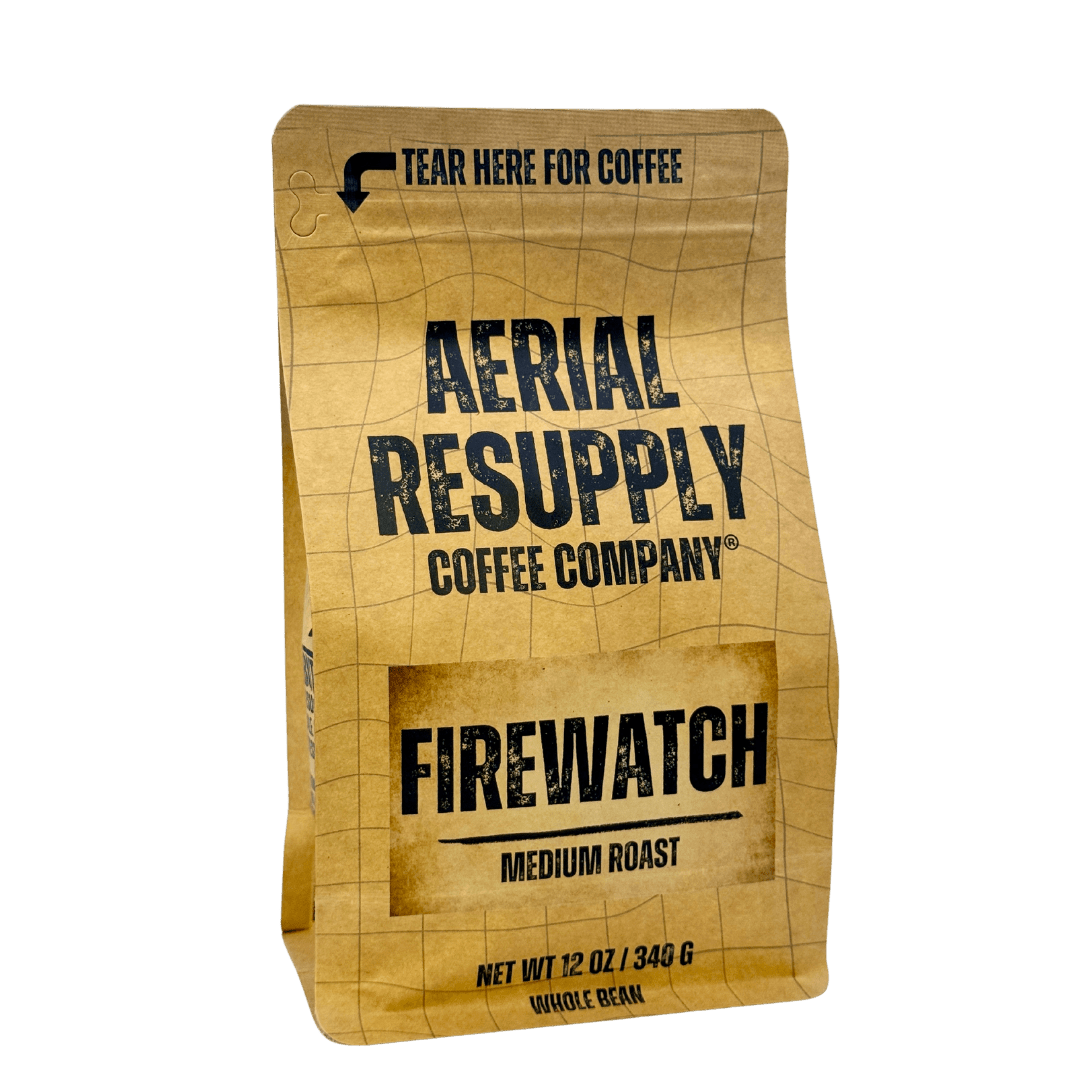
Fire Watch is the Colombian medium roast most people start with, and it works in almost anything you own.
It also costs nothing beyond the effort of actually doing it.
| Approach | Cost | Trust carried |
|---|---|---|
| Paid advertising | High | Low |
| Cold outreach | Low | Very low |
| Partnership | Low | High, borrowed from the partner |
| Word of mouth | Free | Highest, hardest to create |
Every day starts with a mission. Most of them are unglamorous.
Anyone who has done the half of a job nobody claps for already knows this. The work that keeps things running is the work nobody sees.
It is true of a campaign and it is true of a Tuesday.
See the lineup →What makes a partnership actually work?
Genuine audience overlap and a product the partner would recommend anyway. Anything forced reads as advertising immediately, which defeats the entire mechanism.
The audience can tell the difference between a recommendation and a paid placement.
The best ones start because someone was already using the product.
Nobody plans to run out. They just do not plan not to.
Then it is 6am, the bag is empty, and the day starts a step behind before anything else has gone wrong.
Readiness is not a feeling. It is whether the thing you need is where you need it.
Browse best sellers →Why does this matter more in a small category?
Because the audience is finite and already sceptical. Veteran-focused consumers have been marketed at heavily and are quick to spot anything performative.
Trust is the scarce resource in this category rather than reach.
Borrowing it honestly is more effective than trying to buy it.
Preparation beats luck. That is the entire pitch.
You already apply this everywhere else. Coffee is the easiest place to get it right and the one most people leave to chance.
- Pick the roast that suits how you actually brew.
- Set it to resupply on a schedule that matches what you drink.
- Stop thinking about it. You do not hit zero again.
What does it look like from the customer side?
Someone you already follow mentions something they actually use. That is the whole mechanism, and it works precisely because it does not feel like marketing.
It fails the moment it becomes a transaction the audience can see.
Which is why the partnerships that last are between people who genuinely use each other’s products.
Mission beats occupation.
Military, first responder, healthcare, trades, teacher, parent, or just someone with a long list. If you wake up with something to accomplish, this is built for you.
Subscriptions take 30% off the first order automatically. No code, nothing to remember. One time orders take 15% with WELCOME15.
Shop the lineup →Questions people actually ask
Why do small businesses partner instead of compete?
Because they usually sell different products to the same audience. Sharing that audience costs nothing and carries far more trust than advertising to strangers.
Do brand partnerships actually drive sales?
When the overlap is genuine, yes. A recommendation from a trusted source converts far better than paid advertising to a cold audience.
What makes a partnership feel fake?
Forcing it. If the partner would not have recommended the product anyway, the audience notices, and the trust that made it valuable disappears.
Is this only relevant to veteran businesses?
No, but it matters more in small sceptical categories where trust is scarcer than reach and audiences have been marketed at heavily.
How do these partnerships usually start?
Usually because one party was already a customer. That is also why they tend to work, since the recommendation is genuine before it is commercial.