14 Famous Military Logistics Quotes That Prove Logistics Wins Wars
Every war story eventually reaches the same line: "We ran out of..." — fuel, ammunition, food, time. Logistics is the unglamorous, undeniable reason armies win or collapse. Not tactics. Not strategy. The beans and bullets that make both possible. Here are 14 military logistics quotes from the commanders who knew it firsthand — and paid for the lesson when it was ignored.
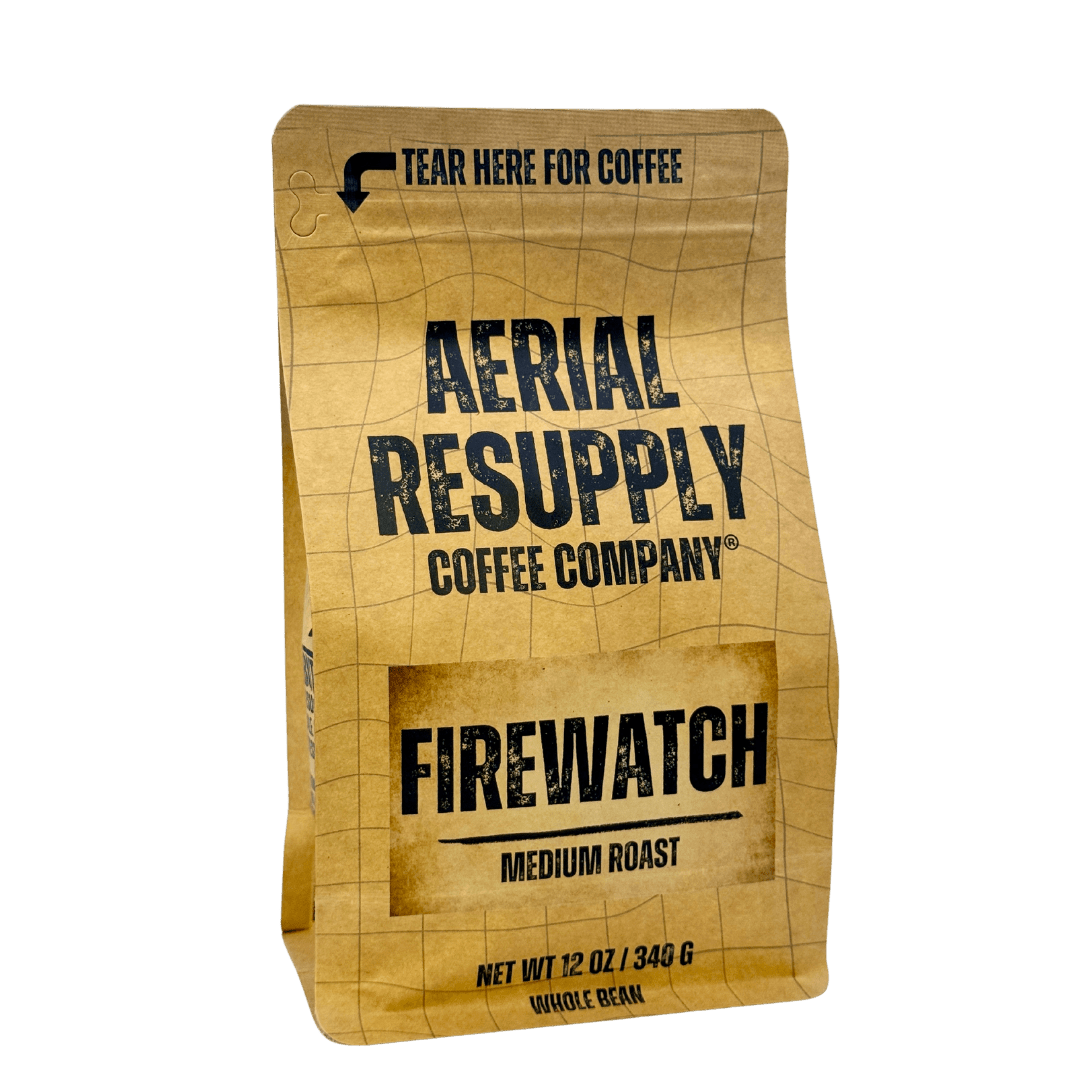
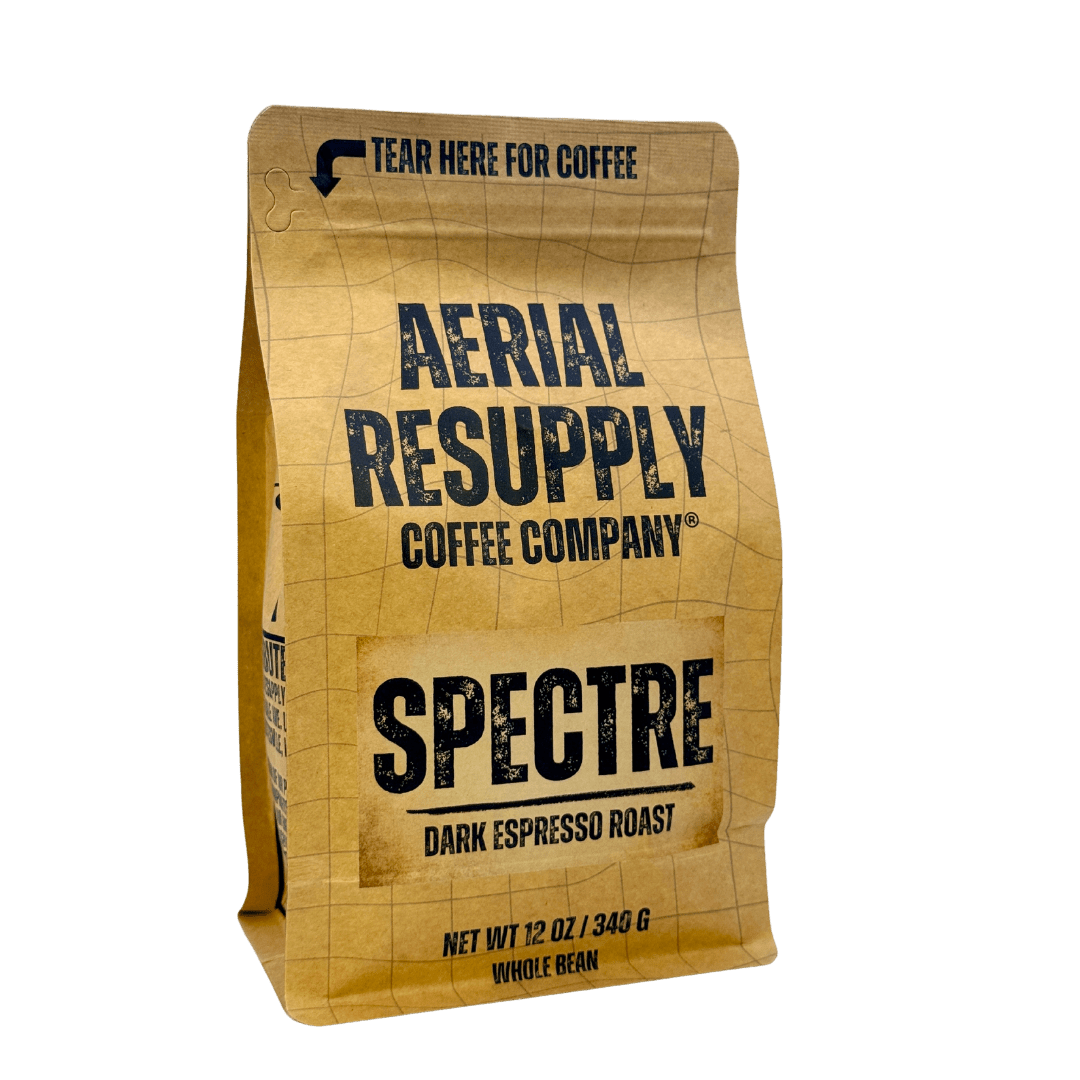
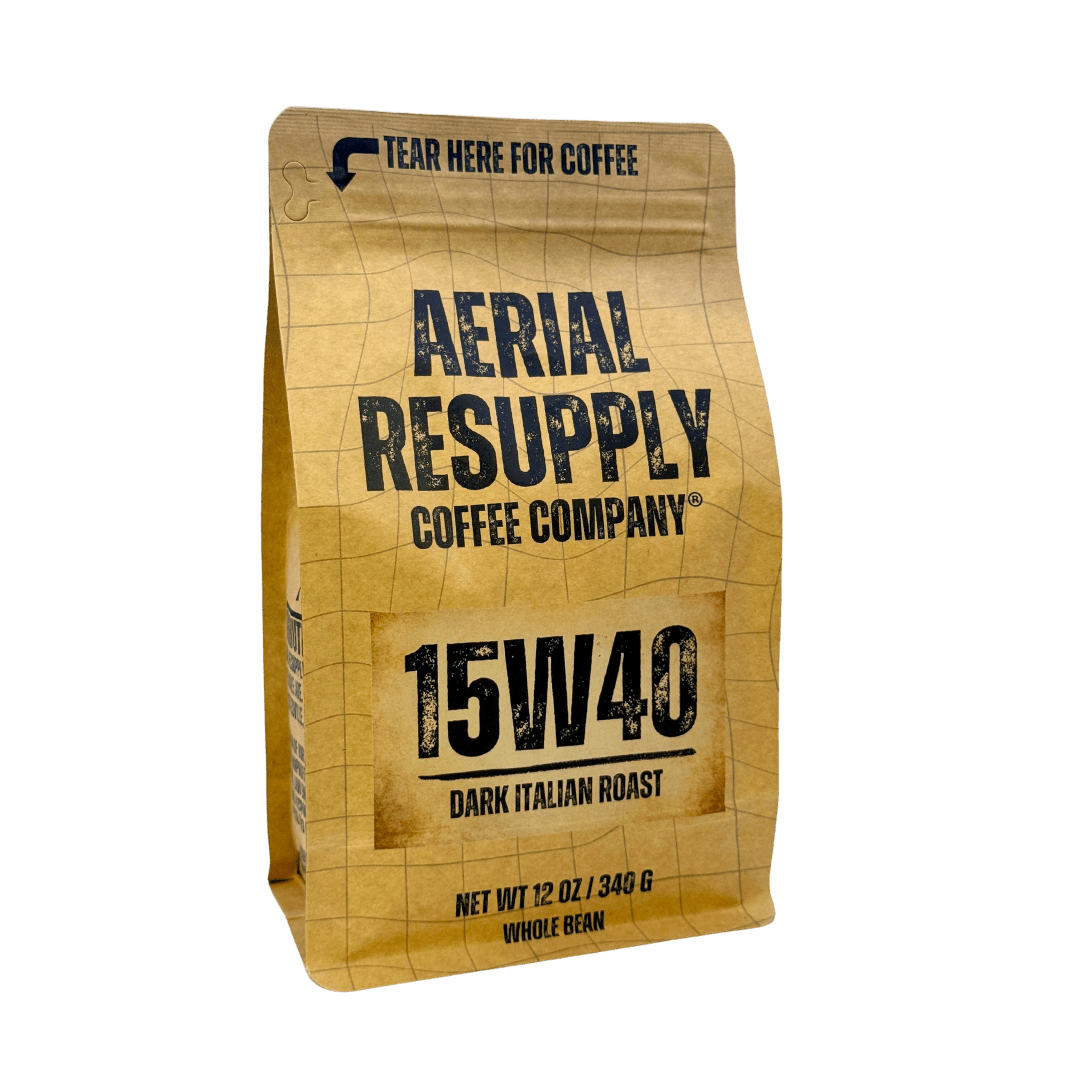
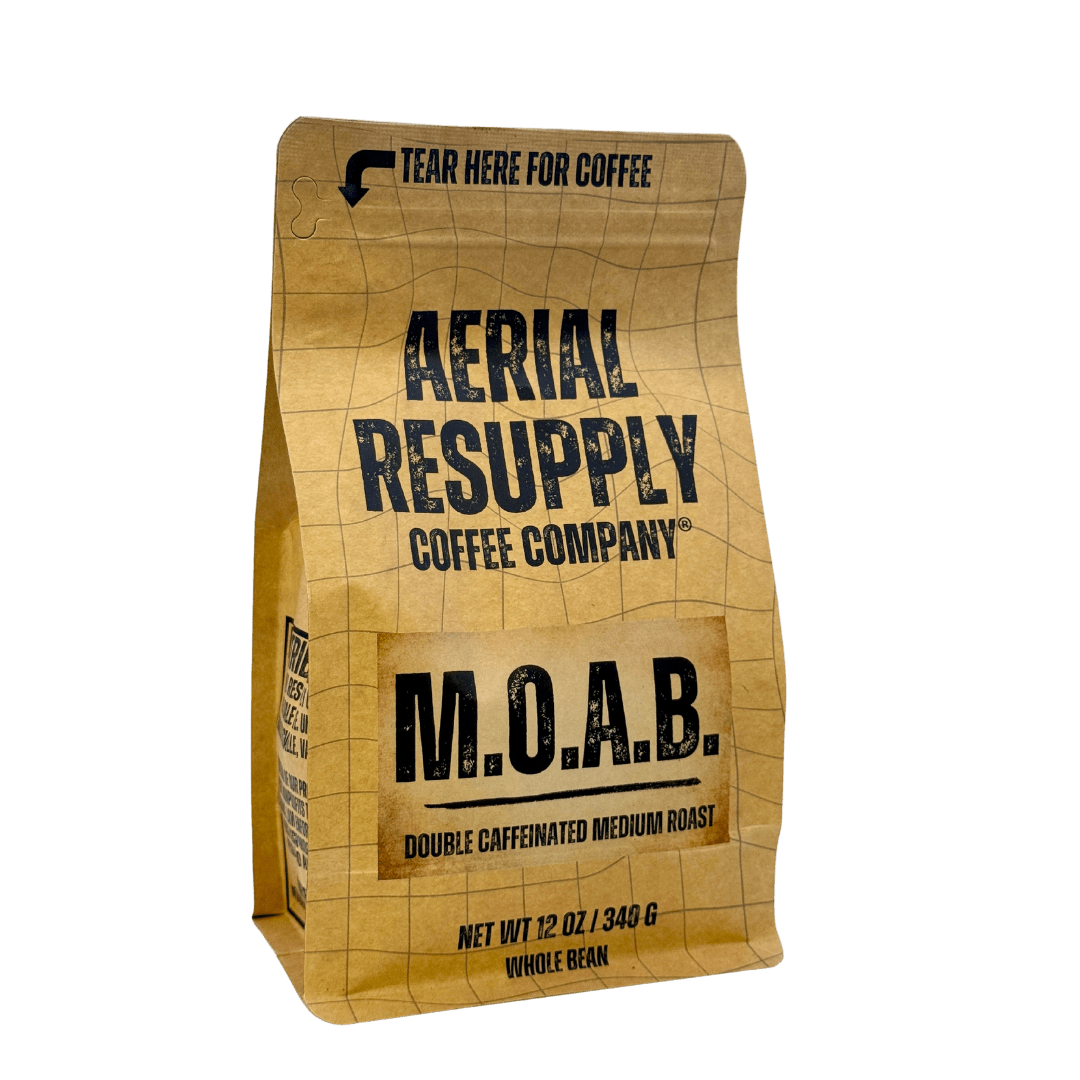
Logistics officers run on coffee. ARC is veteran-owned specialty coffee roasted by a 20-year Army logistician. Blends named for the ops: Firewatch, 15W40, MOAB, Spectre.
Shop the Lineup →Before a single shot is fired, logistics sets the stage. It's the quiet constant behind every victory — the fuel, food, parts, routes, timing, and sustainment that transform strategy from a briefing into an outcome. At Aerial Resupply Coffee, we live this truth. Our name honors the lifeline that keeps operations running, and our founder spent two decades as a Quartermaster and Logistics Officer — moving people, equipment, and supplies into and out of combat. What follows is the definitive military logistics quotes compilation — the "logistics wins wars quote" list that settles the argument for good.
🎖️ Why Professionals Study Logistics
Among all military logistics quotes, these three have become doctrine — the kind of thinking you find echoed across training rooms, staff colleges, and field notebooks at every level of command.
1. Gen. Robert H. Barrow, USMC
"Amateurs talk about tactics, but professionals study logistics."
The most-cited tactics vs. logistics quote in existence — and for good reason. Barrow's point is blunt: tactics win engagements; logistics wins wars. While everyone obsesses over the visible moves, the professionals are buried in movement tables, consumption rates, transportation capacity, and maintenance schedules. They win because they planned the part nobody sees.
2. Gen. Antoine-Henri Jomini
"Logistics comprises the means and arrangements which work out the plans of strategy and tactics. Strategy decides where to act; logistics brings the troops to this point."
The 19th-century master made it plain: strategy is intent; logistics is execution. No line of operation exists without supply. No maneuver survives without resupply. Jomini wrote this before the Industrial Age — and it's held up through every war fought since.
3. Lt. Col. George C. Thorpe, USMC
"Strategy and tactics provide the scheme for military operations; logistics the means therefore."
Old-school language, evergreen meaning: logistics is capability. Not background noise. Not a support function. The decisive enabler that either makes the plan work — or quietly kills it before the enemy gets a chance to.
Logistics officers run on coffee. Roasted to order by a 20-year Army logistician. No filler, no corporate nonsense — just small-batch coffee built for people who understand the grind.
⚔️ The Generals Who Knew Supply Decides the Outcome
Ask "who said logistics wins wars?" and you'll get a chorus spanning centuries and services. These famous logistics quotes explain why the force that sustains, wins — every time.
4. Gen. George S. Patton, USA
"The officer who doesn't know his communications and supply as well as his tactics is totally useless."
Patton didn't do subtle. A commander who can't move fuel, ammo, food, and men has no command at all — just a title. This is why military logistics is called the true operational art: because no amount of tactical genius survives an empty supply line.
5. Fleet Adm. Ernest J. King, USN
"I don't know what the hell this 'logistics' is that Marshall is always talking about, but I want some of it."
Equal parts humor and hard truth. King's quip became a standing mantra: logistics is the force multiplier you always want more of. The joke landed because everyone in the room already knew it was true.
6. Fleet Adm. Ernest J. King, USN
"The war is a war of logistics."
Same admiral, same message — stripped to bone. At scale, wars become contests of sustainment. The side that keeps fighting wins. The side that runs dry loses. That's not analysis. That's the ledger.

7. Adm. Hyman G. Rickover, USN
"The art of war is the art of the logistically feasible."
Rickover reframed strategy itself: stop planning what's ideal — plan what you can actually sustain. That's the gap between a concept and a campaign. He built the nuclear Navy on that principle. It held for decades. It's still holding.
8. Gen. Dwight D. Eisenhower, USA
"You will not find it difficult to prove that battles, campaigns, and even wars have been won or lost primarily because of logistics."
From the man who orchestrated the largest amphibious invasion in history, this isn't a metaphor. It's a ledger entry written in blood, fuel, and landing craft. Eisenhower planned Normandy around logistics. The Axis didn't. That's not a coincidence.

9. Carl von Clausewitz
"There is nothing more common than to find considerations of supply affecting the strategic lines of a campaign and a war."
Clausewitz reminds us: even the loftiest strategy bends to the hard math of supply. Lines of communication are the true center of gravity more often than any objective on the map — and the commander who ignores that finds out the hard way.
10. Napoleon Bonaparte
"An army marches on its stomach."
The most famous logistics wins wars quote in recorded history. Short, sharp, eternally correct: no rations, no movement. Napoleon built an empire on this truth — then watched it collapse in Russia the moment it stopped being true. He knew the lesson. He forgot it once. Once was enough.
11. Lt. Gen. Frederick M. Franks Jr., USA
"Forget logistics, you lose."
A Desert Storm corps commander boiled an entire doctrine into four words. Nothing to argue with. Nothing to add. If you want a logistics quote short enough to tattoo on your planning process — this is it.
12. Maj. Gen. Julian Thompson, Royal Marines
"Only a commander who understands logistics can push the military machine to the limits without risking total breakdown."
Every leader faces pressure to move faster, push harder, do more with less. Thompson's point cuts through: only the logistics-savvy can actually do that — without shattering the force in the process. Ignorance of sustainment doesn't make you bold. It makes you reckless, and eventually catastrophic.
13. Field Marshal William Slim
"The amateur thinks of strategy and tactics; the professional thinks of administration and logistics."
Slim's Burma campaign was a masterclass in sustainment under extreme pressure — disease, terrain, and supply lines stretched to the absolute edge. His variant of the "amateurs vs. professionals" line carries extra weight because he didn't just say it. He proved it over three years of brutal fighting.
14. Gen. Omar N. Bradley, USA
"In war, amateurs talk strategy; professionals talk logistics."
Note that Barrow, Slim, and Bradley all arrived at essentially the same conclusion independently — across different eras, theaters, and wars. When that many commanders land on identical truth without coordinating, it's not a saying. It's doctrine. It's physics.
📋 What These Logistics Quotes Teach — Then and Now
Taken together, these famous military quotes about logistics settle the logistics vs. tactics debate permanently. Tactics create opportunity; logistics makes opportunity repeatable. Strategy sets direction; logistics maintains momentum. That's why "tactics win battles, logistics wins wars" has been taught in professional military education for generations — and why the first question every serious planner asks is always the same: "Can we sustain it?"
The core principles haven't changed in a millennium. Supply lines decide tempo — the force that sustains movement holds the initiative. Maintenance makes or breaks combat power, because it's not what you own, it's what you can keep running. Transportation turns plans into outcomes, because if it can't move, it doesn't exist on the battlefield. And consumption rates are not suggestions: food, fuel, ammo, medical — the math wins every argument, every time. As true in modern operations as it was for Napoleon, and just as true in business as it is in war.

☕ Aerial Resupply Coffee Is Built on Logistics
Roasted by people who ran the actual supply lines
ARC wasn't named by a marketing team. It was named by logisticians who lived this reality. Our founder spent two decades as a Quartermaster and Logistics Officer — moving beans, bullets, and bodies into and out of combat zones. Today we move coffee beans with the same discipline: source, roast, pack, ship — on time, every time. That's why the brand feels like a unit: because it's run like one.
Explore our story: About Aerial Resupply Coffee →
If you want coffee built by people who understand the grind of sustainment, start here:
🔴 15W40 Dark Roast — tribute to the motor pool. Bold, low-acid, built for long watches and late planning sessions.
🟡 FireWatch Medium Roast — the dependable daily driver. Chocolate, warm spice, steady energy from first light to last cup.
⚡ MOAB (Double Caf Robusta) — when the op tempo spikes and "good enough" isn't a phrase you're authorized to use.
🔵 Hercules Blonde Roast — clean, bright, high-clarity fuel for intel mornings and early planning sessions.
Final Word: Logistics Isn't Support — It's Strategy in Motion
If there's one theme running through every quote on this list, it's this: logistics is king. It's not glamorous. It doesn't get the headlines or the medal ceremonies. It simply wins — by keeping forces fed, fueled, armed, fixed, and moving when it matters most. Logisticians are the quiet center of gravity in every campaign worth studying, and in every operation worth running. We built a coffee company that works the same way.
Shop Aerial Resupply Coffee → — veteran-owned, logistics-built, no filler.