
Cafe Coffee vs Making It at Home
What do cafes actually do better?
Three things: nine bars of consistent pressure for espresso, properly steamed milk, and coffee turnover fast enough that nothing is stale. That is most of the gap.
Milk steaming is a skill and most people never learn it.
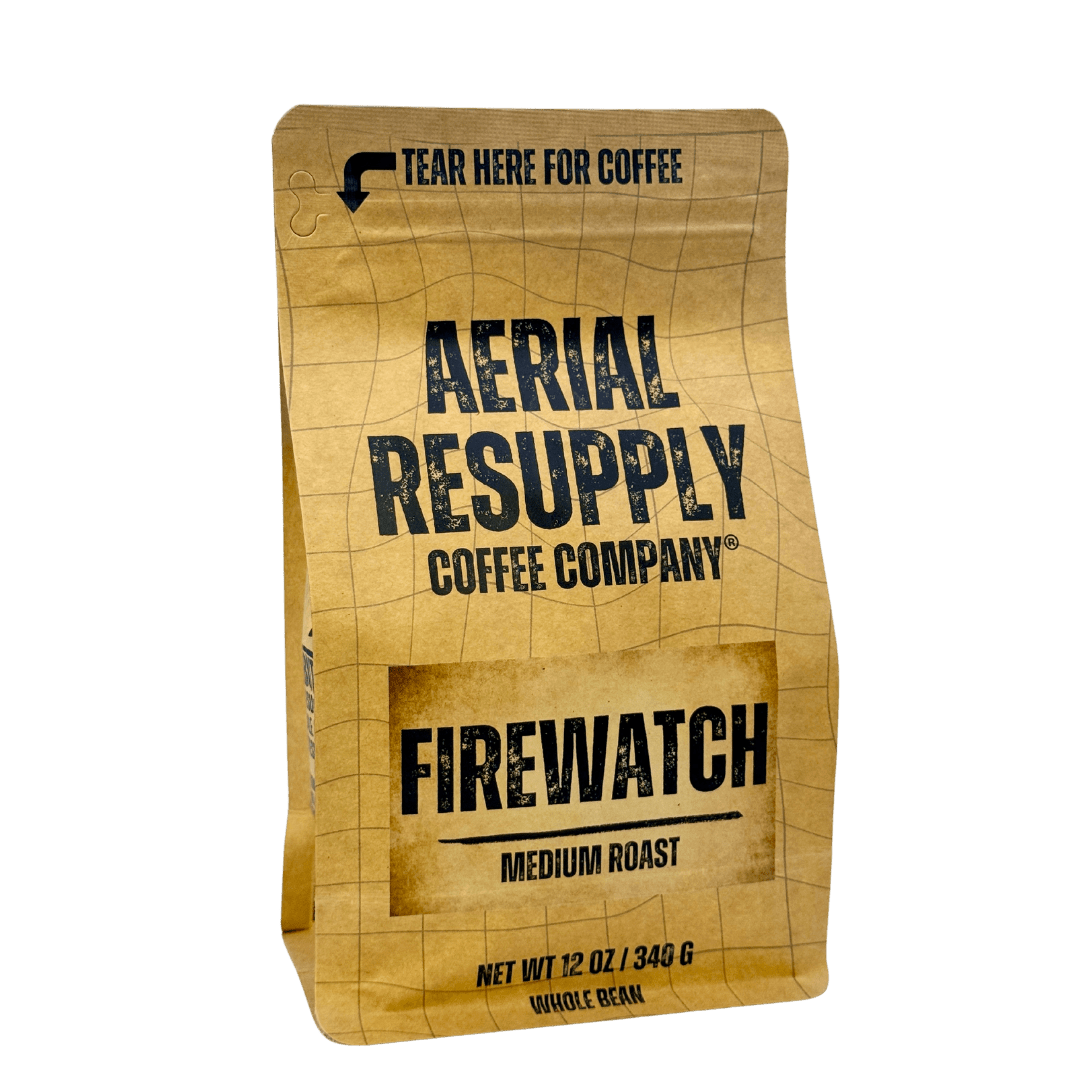
Fire Watch is the Colombian medium roast most people start with, and it works in almost anything you own.
A cafe goes through beans in days. Your bag has been open for three weeks.
| Factor | Cafe | Home | Closeable? |
|---|---|---|---|
| Espresso pressure | 9 bars, consistent | Varies | Hard |
| Milk steaming | Skilled and fast | Learnable | Yes, with practice |
| Bean freshness | Days old | Often weeks | Yes, buy smaller |
| Grind consistency | Commercial burr | Depends | Yes, buy a burr grinder |
| Cost per cup | $4 to $6 | $0.30 to $0.60 | Home wins outright |
Once you know the difference, the only question left is which bag.
The names matter less than what you actually like. Both are worth drinking. Neither is worth overpaying for.
What decides whether either is any good is the coffee you started with.
See what people order most →What closes most of the gap?
A burr grinder, buying smaller amounts more often, and dosing correctly at 60 grams per litre. Those three cost far less than an espresso machine and change more.
Grinder before machine, every time. Uneven grind cannot be fixed downstream.
Most home coffee is under-dosed, which is why it tastes weak and bitter at once.
Most bad versions of either are just bad coffee underneath.
Milk hides a lot but it does not fix a roast that was scorched. If yours tastes flat at home, the recipe is not the problem.
A roast with real body cuts through. A thin one disappears.
Roasts with body →What does the cost difference look like?
One cafe coffee a day at five dollars is roughly 1,800 dollars a year. Home brewing the same volume runs closer to 200. The equipment pays for itself quickly.
A burr grinder and a pour over cone is under a hundred dollars and lasts years.
Espresso is the expensive exception, and it is the one thing genuinely worth leaving to a cafe.
Pick one bag, learn it, and stop guessing.
You do not need a shelf of options. You need one roast you know how to use and a reason to never be out of it.
- Pick the roast that suits how you actually brew.
- Set it to resupply on a schedule that matches what you drink.
- Stop thinking about it. You do not hit zero again.
What should you not try to replicate?
Espresso, unless you are willing to spend real money and learn. Everything else, including excellent filter coffee and decent milk drinks, is achievable cheaply.
A moka pot gets close enough to espresso for milk drinks at a fraction of the cost.
Pour over at home genuinely beats most cafe filter coffee.
Great coffee for people who have somewhere to be.
However you take it, the day goes better when the coffee was worth making.
Subscriptions take 30% off the first order automatically. No code, nothing to remember. One time orders take 15% with WELCOME15.
Shop the lineup →Questions people actually ask
Why does cafe coffee taste better?
Mostly fresher beans, consistent commercial grinders, and skilled milk steaming. The machine matters less than people assume.
What is the best first upgrade for home coffee?
A burr grinder. Uneven grind from a blade grinder cannot be corrected by any brewing method, and it is the single largest quality variable.
Can you make espresso as good as a cafe at home?
It is difficult and expensive. Nine bars of consistent pressure plus a good grinder is a real investment. A moka pot gets close enough for milk drinks.
How much money does home brewing save?
Roughly 1,600 dollars a year against one cafe coffee a day. Equipment costs are recovered within a couple of months.
Is expensive coffee equipment worth it?
Up to a point. A burr grinder is worth it for anyone. An espresso machine is only worth it if you will use it daily and learn to dial it in.