

The Moka pot is the most forgiving piece of brewing equipment you'll ever use — right up until it isn't. Bad grind size and you're either drinking brown water or bitter sludge. There's a sweet spot. This is how you find it.
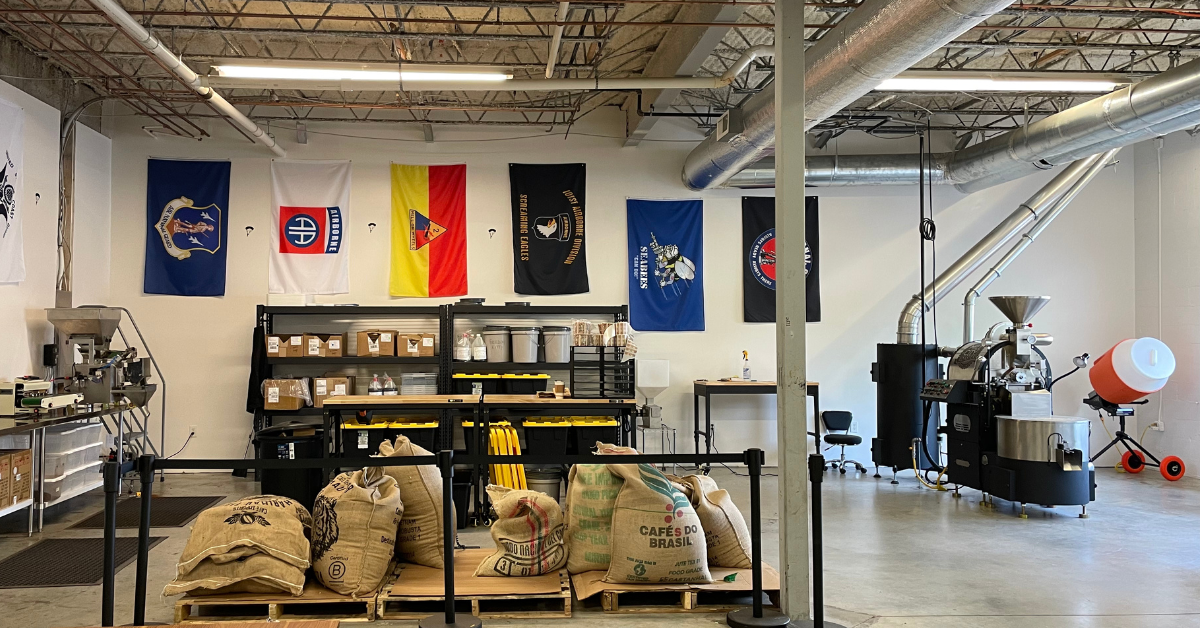
At Aerial Resupply Coffee — a veteran-owned specialty coffee roastery in Charlottesville, VA, founded by Michael Klemmer, a 20-year U.S. Army logistics officer — we roast small-batch to order. We test every roast across multiple brew methods — including the Moka pot — because grind size isn't theoretical. It changes what ends up in your cup. Here's what actually works.
What Grind Size Does a Moka Pot Need?
The answer is medium-fine — finer than drip, coarser than espresso. If you pinch it between your fingers it should feel like table salt. Not flour. Not coarse sand. Table salt.
Here's why it matters: the Moka pot builds pressure to push water up through the grounds. Too coarse and the water blows straight through without extracting anything — weak, flat, tastes like it was brewed with regret. Too fine and you choke the filter, water can't pass, pressure spikes, and what comes out is bitter and over-extracted.
Medium-fine hits the window where pressure builds properly and extraction is even. You get the concentrated, bold flavor the Moka pot was designed to produce.

How Do You Dial In the Right Moka Pot Grind?
Start with a setting between 14–16 on a 1–30 burr grinder scale — roughly table salt texture. Grind fresh right before brewing. If your coffee finishes in under 2 minutes, go finer; if it sputters or tastes bitter, go coarser. Adjust one click at a time until you hit the sweet spot.
Precision starts at the grinder. A blade grinder gives you inconsistent particle sizes — some powder, some chunks — which means uneven extraction no matter what you do. Get a burr grinder. Conical burr if you can. Set it to medium-fine, somewhere around 14–16 on a 1–30 scale depending on your grinder.
Grind fresh, right before you brew. Pre-ground coffee loses volatile compounds within hours. You're not saving time by grinding the night before — you're just making worse coffee.
For a standard 6-cup Moka pot, use about 20 grams. Fill the basket level — don't tamp. Tamping espresso-style in a Moka pot over-compresses the bed and you're back to the bitter problem.

"If your brew finishes in under 2 minutes, go finer. If it sputters and struggles, go coarser. Adjust one click at a time."
How Do You Know If Your Moka Pot Grind Is Wrong?
The moka pot tells you immediately. Too coarse = fast brew, thin and sour. Too fine = slow brew, sputtering, bitter. The right grind produces a steady, even flow with a rich color and clean finish — you'll know it when you taste it.
Too coarse: Coffee finishes fast, tastes thin, sour, or watery. No body. Feels like it's missing something — because it is. You under-extracted.
Too fine: Coffee takes forever, sputters, and comes out bitter. Dark, harsh finish. You over-extracted and probably built too much pressure.
Just right: Steady, even flow. Rich color. Full body with chocolate, nut, or fruit notes depending on the roast. Finishes clean.
The Moka pot is honest. It tells you exactly what you did wrong by what it produces. Pay attention and adjust one variable at a time.

Which ARC Roast Works Best in a Moka Pot?
Small-batch, roasted to order — tested across every brew method
Firewatch Medium Roast — Colombian Supremo. Chocolate, warm spice, smooth acidity. This is the daily driver — balanced enough to drink black, forgiving enough for beginners dialing in their grind. Our top recommendation for Moka pot brewing.
Lifeline Light Roast — Bright, clean, hints of citrus and caramel. If you want a lighter, fruitier Moka brew, start here. Slightly more forgiving at medium-fine because light roast beans are denser and less fragile.
15W40 Dark Roast — Bold, low-acid, smoky. Named after motor oil because that's the energy it delivers. Go slightly coarser than medium-fine with dark roasts — they extract faster due to the open cell structure from longer roasting. Pull it right and it's the best cup you'll have all week.
Every bag is roasted to order in Charlottesville, VA. Not pre-roasted, not sitting in a warehouse. Your order triggers the roast. That's why the grind works the way it should — the coffee is actually fresh.
Shop ARC Roasts →Quick Reference: Moka Pot Grind Settings at a Glance
- Grind size: Medium-fine (table salt texture)
- Grinder type: Burr grinder — conical preferred
- Grinder setting: 14–16 on a 1–30 scale
- Dose: ~20g for a 6-cup Moka pot
- Tamp: No. Level the basket, don't compress.
- Water: Start with hot water in the bottom chamber to avoid scorching the grounds
- Heat: Medium-low. Pull off heat as soon as the top chamber fills.
- Brew time: 3–4 minutes total
Frequently Asked Questions: Moka Pot Grind Size
What grind size should I use for a moka pot?
Use a medium-fine grind — about the texture of table salt. This is finer than standard drip grind but coarser than espresso grind. On most burr grinders that is around 14–16 on a 1–30 scale. This allows the moka pot to build proper pressure for even, balanced extraction.
Can I use pre-ground coffee in a moka pot?
Yes, but fresh-ground produces significantly better results. If using pre-ground, look for coffee labeled for moka pot or espresso — standard drip grind is too coarse. Grinding fresh right before brewing is the single easiest upgrade you can make.
Why does my moka pot coffee taste burnt?
Usually one of three things: grind is too fine causing over-extraction, heat is too high scorching the grounds, or the pot wasn't pulled off heat the moment the top chamber finished filling. Drop the heat to medium-low and check your grind first — those two fixes resolve most bitterness.
Should I tamp coffee in a moka pot?
No. Level the basket and leave the grounds loose. Tamping compresses the coffee bed, restricts water flow, spikes pressure, and produces bitter over-extracted coffee. The moka pot generates its own pressure from steam and does not need the resistance that tamping creates in an espresso machine.
How much coffee do I put in a moka pot?
Fill the basket level without compressing — roughly 20 grams for a standard 6-cup moka pot. The basket size determines your dose. If you want stronger coffee, adjust how much you dilute the finished brew rather than packing more grounds into the basket.
The Takeaway
Medium-fine grind. Burr grinder. Fresh beans. Don't tamp. Pull it off heat the second it's done. That's the whole answer. Everything else is just adjusting from there based on what your cup tells you.
The beans matter as much as the grind. Fresh-roasted coffee extracts differently than stale coffee — more evenly, more predictably, better flavor. If you're dialing in your grind with old beans, you're working against yourself.
From the Supply Depot
Your Moka Pot Deserves a Roast That Can Handle It.
Dark roasts work best in a moka pot — they tolerate pressure without turning bitter. Our 15W40 Dark Italian is the call. Named after engine oil. Brews accordingly.
GET YOURS →