Does Cold Brew Go Bad? Here's the Shelf Life, Storage Guide, and Warning Signs
Yes, cold brew concentrate goes bad. Stored properly in an airtight container in the refrigerator, it lasts 7–14 days. Quality starts dropping after day 7–10 whether it smells off yet or not. If it's been sitting in the fridge for two weeks, pour it out and make a new batch.
At Aerial Resupply Coffee, we make cold brew with our own roasts and we've poured out more expired batches than we'd like to admit from leaving it too long. Here's the exact shelf life, how to store it so it lasts as long as possible, and the signs that tell you it's already done.
Does Cold Brew Concentrate Go Bad?
Yes — and faster than most people expect. Cold brew concentrate is coffee, and coffee is an organic product. Bacteria and mold don't care that you spent 18 hours making it. What slows them down is the refrigerator, the airtight container, and the fact that cold brew's low pH creates an environment that's somewhat hostile to spoilage. But it doesn't stop it. It just delays it.
The cold brew you buy at a grocery store has been commercially processed, often with nitrogen flushing or pasteurization, and has a longer shelf life because of it. The cold brew you make at home has none of those treatments. That's why homemade concentrate lasts 7–14 days, not 30–60 like a store-bought bottle.
How Long Does Cold Brew Concentrate Last?
| Storage Method | Shelf Life | Notes |
|---|---|---|
| Refrigerated, airtight glass container | 10–14 days | Best option. Glass doesn't absorb or transfer flavors. |
| Refrigerated, airtight plastic container | 7–10 days | Works, but plastic can absorb odors over time and affect flavor. |
| Refrigerated, loosely covered | 5–7 days | Exposure to air accelerates oxidation and spoilage. |
| Room temperature | 2–4 hours | Don't do this. Bacteria multiply fast at room temp. |
| Frozen | Not recommended | Freezing changes the texture and flavor. Use ice cubes if you need to slow things down. |
The number that matters: 10 days is the practical limit. After that, even if it looks and smells fine, flavor quality has dropped enough that you're not getting the best out of it. Make smaller batches more frequently rather than one big batch that sits for two weeks.
How Do You Know If Cold Brew Has Gone Bad?
Cold brew doesn't always announce itself when it goes bad. Here's what to check before you drink it:
- Sour or off smell. Fresh cold brew smells like coffee. If it smells fermented, sour, or rancid, it's done. Pour it out.
- Unusual bitterness. Cold brew is supposed to be smooth and low-acid. If it's suddenly sharp, astringent, or biting in a way it wasn't before, it's degrading.
- Cloudiness or floating particles. Some sediment at the bottom is normal — it's fine grounds that made it through the filter. Cloudiness throughout the liquid or fuzzy floating particles are not fine.
- Visible mold. Self-explanatory. If you see mold, discard the container and run it through the dishwasher before reusing.
- Flat taste. If the flavor has gone from complex and rich to dull and empty, oxidation has done its work. It won't hurt you, but it's not worth drinking.
"When in doubt, make a new batch. Cold brew is cheap and easy to make. An upset stomach is not."
What's the Best Way to Store Cold Brew Concentrate?
Storage is where most people lose days off their shelf life without realizing it. The variables that matter:
Container
Glass is best — mason jars, glass pitchers, or dedicated cold brew containers. Glass is airtight, doesn't absorb flavor, and doesn't leach chemicals. A 32oz mason jar with a tight-fitting lid is the most practical option for home batches.
Seal
Airtight means airtight. Oxygen oxidizes the coffee and speeds up spoilage. A loose lid, plastic wrap over the top, or a container that doesn't seal properly will cut your shelf life by several days.
Temperature
Refrigerator. Not the counter. Not the garage. The refrigerator, at 35–38°F. Temperature is the single biggest factor in how long cold brew stays good.
Light
Light accelerates oxidation. Store your concentrate toward the back of the fridge or in an opaque container rather than leaving it in a clear glass on the door where it gets hit with light every time you open the fridge.
Which ARC Roast Makes the Best Cold Brew Concentrate?
The bean determines the batch — choose accordingly
Cold brew's long steep time extracts more caffeine and more flavor than hot brewing methods. That means you want a roast that holds up to extended extraction without going bitter or harsh. Medium roasts are the most forgiving — they have enough body to produce a rich concentrate without the dark roast's tendency to over-extract into bitterness during long steeps.
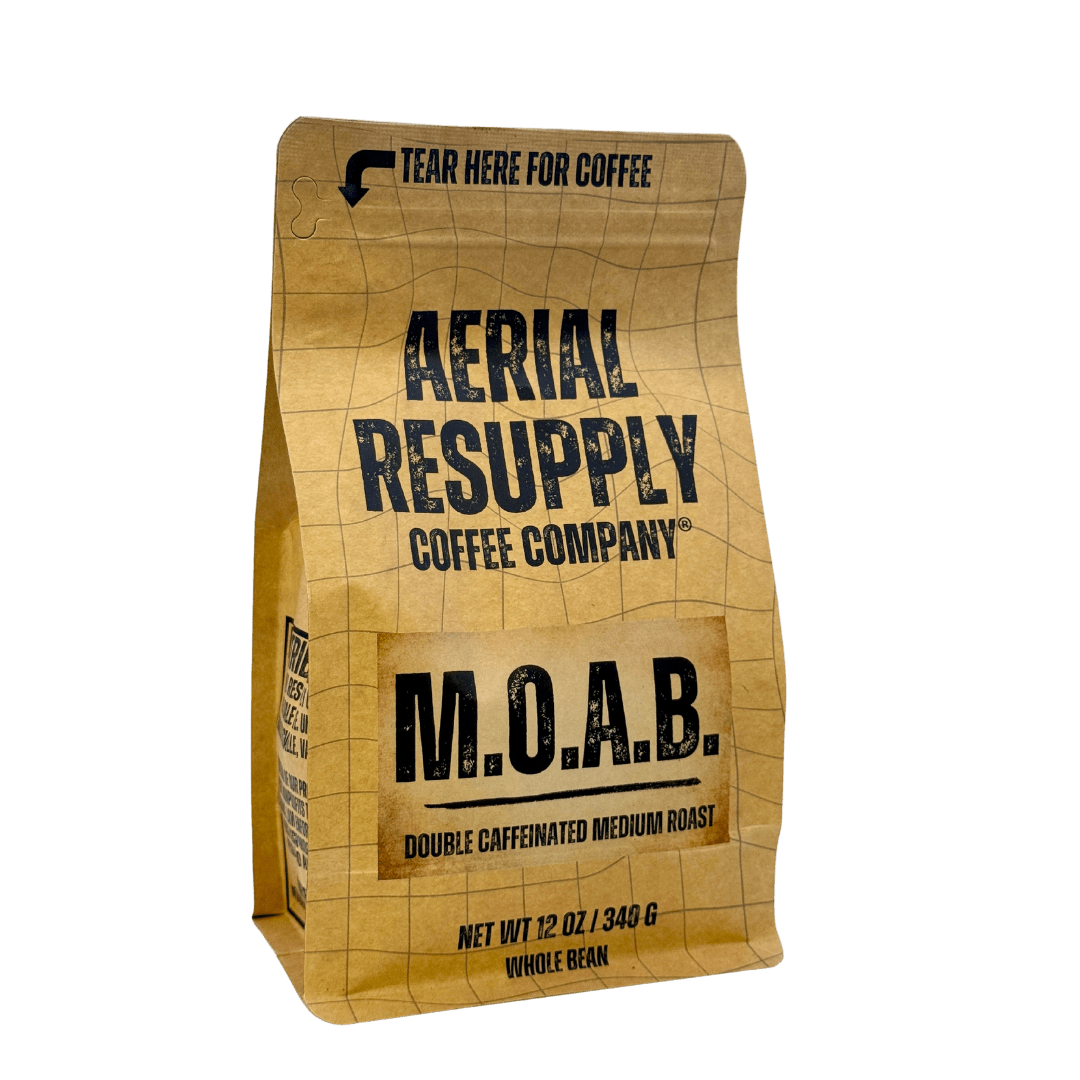
MOAB Double Caffeinated — If you're making cold brew concentrate, caffeine is probably part of the reason. MOAB is our double-caffeinated medium roast using Robusta beans — twice the caffeine of a standard cup, and a bold enough flavor profile to hold its own through a 16–24 hour cold steep. This is the choice if maximum caffeine per ounce is the objective.
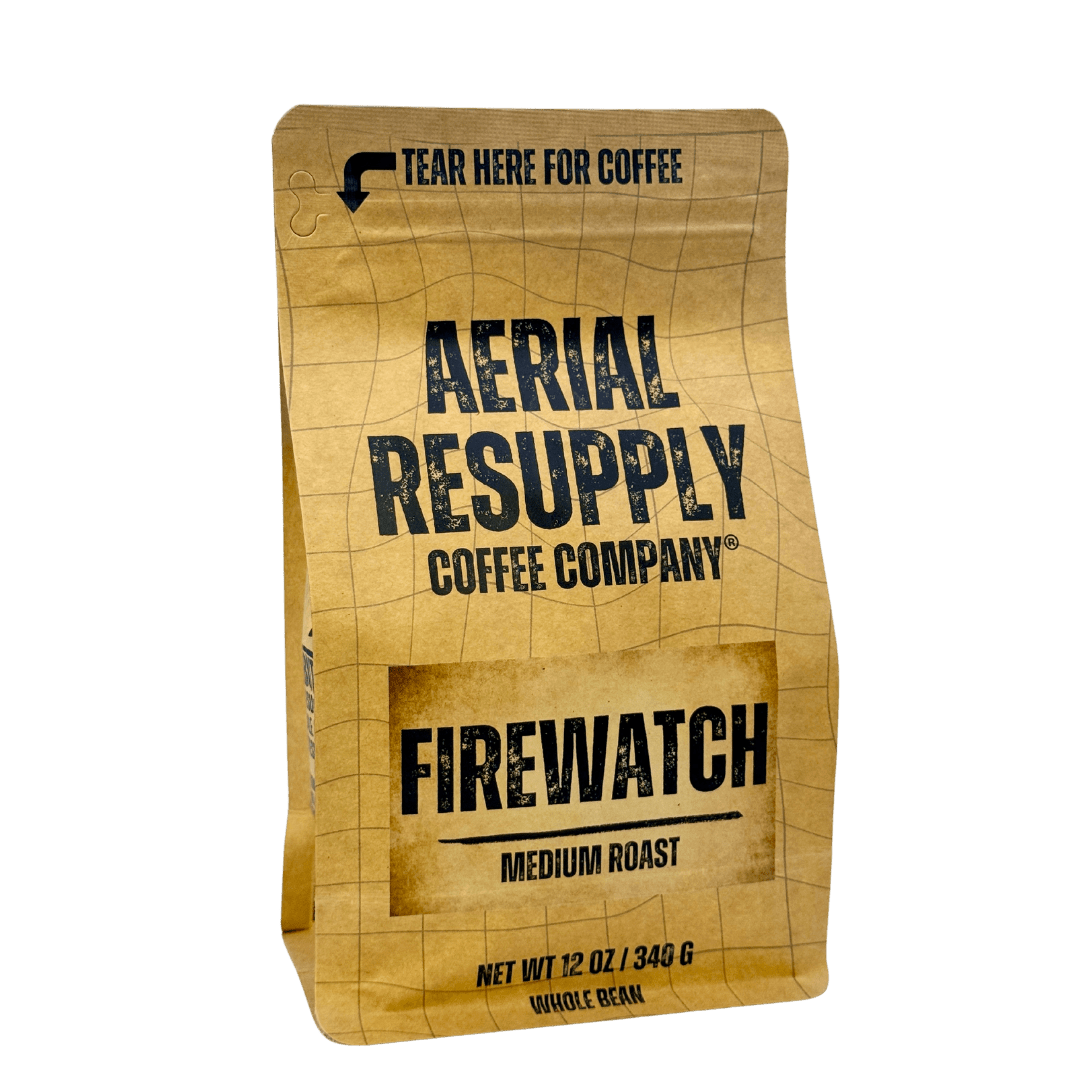
Firewatch Medium Roast — Colombian Supremo, medium roast. Rich chocolate and warm spice notes that come through beautifully in cold brew. If you want a concentrate that's versatile — good over ice, diluted with water or milk, or used in recipes — Firewatch is the call.
Every bag is roasted to order in Charlottesville, VA. Cold brew is particularly sensitive to bean freshness — stale coffee produces flat, lifeless concentrate no matter how long you steep it.
Get MOAB →How Do You Make Cold Brew Concentrate at Home?
The ratio that matters: 1:4 coffee to water by weight for concentrate. That produces a strong concentrate you dilute 1:1 with water or milk before drinking. If you want a weaker concentrate or plan to drink it straight, adjust to 1:6 or 1:8.
- Grind coarse. Think kosher salt or coarse sea salt. Fine grinds over-extract during a long cold steep and produce a harsh, gritty concentrate. Coarse grind is what makes cold brew smooth.
- Combine and stir. 100g of coarse-ground coffee to 400ml of cold filtered water. Stir thoroughly to saturate all the grounds.
- Cover and steep. Refrigerator: 16–24 hours. Room temperature: 12–14 hours maximum, then move it to the fridge. Longer steeps in the fridge produce more caffeine and more flavor without bitterness.
- Strain twice. First through a fine-mesh strainer or cheesecloth to remove grounds. Then through a paper coffee filter to remove the fine sediment. Double straining extends shelf life and improves clarity.
- Store immediately. Transfer to your airtight glass container and refrigerate right away. Label it with the date.
Cold Brew Concentrate FAQ
How long does cold brew concentrate last in the fridge?
7–14 days in a sealed glass container. Quality is best in the first 7–10 days. After that, flavor degrades even if it's technically still safe to drink. Make smaller, more frequent batches rather than one batch that sits for two weeks.
Can you freeze cold brew concentrate?
Technically yes, but it's not recommended for regular use. Freezing changes the cell structure of the liquid and produces a flat, muted flavor when thawed. A better option: pour excess concentrate into ice cube trays. Those cold brew ice cubes don't dilute your drink as they melt.
Can cold brew go bad if it's never been opened?
Homemade cold brew doesn't have a sealed, commercially processed container — it's always been "open" from the moment you made it. The 7–14 day window applies from the moment you finish making it, not from when you first pour from it.
Why does my cold brew taste sour?
Two possible causes: it's gone bad (toss it), or it was under-extracted during brewing. Under-extraction produces sour, acidic notes because the acids in the coffee were pulled out before the sweeter compounds had time to extract. Coarser grind and longer steep time are the fix for under-extraction.
What happens if you drink expired cold brew?
If it's only slightly past its prime with no visible mold, you'll likely just have an unpleasant cup. If it's developed mold, bacteria, or has a clearly rancid smell, drinking it risks GI issues. When in doubt, make a fresh batch. It's not worth it.
What's the difference between cold brew and cold brew concentrate?
Cold brew concentrate is brewed at a 1:4 coffee-to-water ratio and diluted before drinking. Regular ready-to-drink cold brew is brewed weaker at a 1:8 ratio and consumed as-is. Concentrate is stronger, lasts slightly longer, and gives you control over dilution. Most homemade cold brew is concentrate by default.
Does cold brew go bad faster in a plastic container?
Yes. Plastic absorbs odors and flavors over time and provides a slightly less airtight seal than glass. Expect 7–10 days in a good plastic container versus 10–14 in glass. If you're using plastic, label the date and drink it within a week.
The Short Version
Cold brew concentrate lasts 7–14 days refrigerated in a sealed glass container. Quality starts dropping around day 7–10. If it smells off, tastes sharp, or looks cloudy — pour it out. Use fresh beans, strain it twice, seal it tight, and label the date so you're not doing mental math in front of the fridge at 6am.
The beans matter as much as the storage. Stale coffee produces stale cold brew, properly stored or not. Start with fresh-roasted beans and the concentrate will taste the way it's supposed to for the full window.
From the Supply Depot
Cold Brew Starts With the Right Roast.
If you're making concentrate, you want caffeine working for you. MOAB is our double-caffeinated medium roast — more punch, smoother finish, built for cold brew.
GET YOURS →